Non-native ornamental
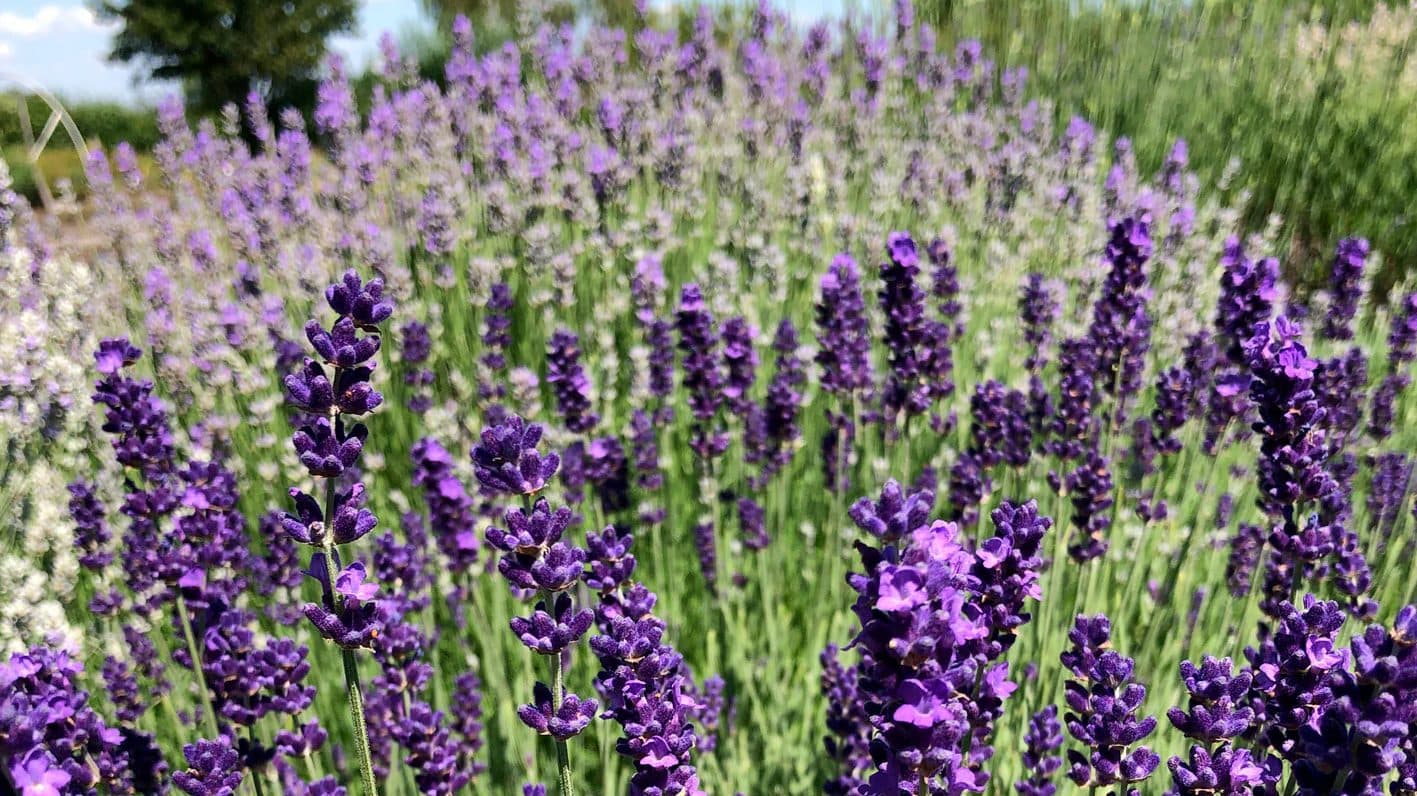
Lavender
Lavandula angustifolia
Calming fragrance and soft purple spikes that bees work all day. Chosen for the sensory planter's sense of smell.
JanBlooms Jun–JulDec
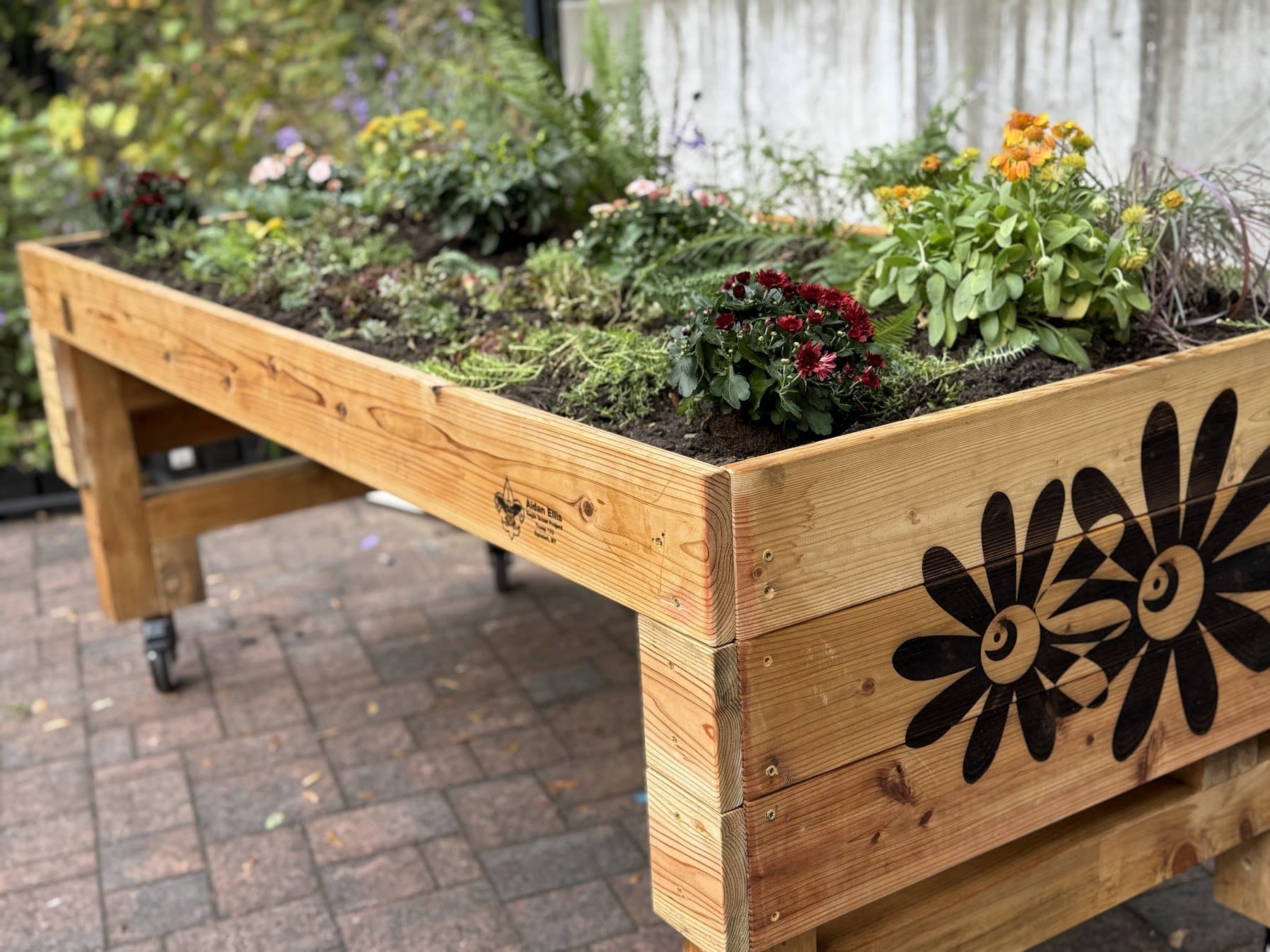
Installation No. 4 · Fall 2025
A wheelchair-accessible sensory planter and a set of songbird nest boxes at the Nassau County Museum of Art's William Cullen Bryant Preserve, built with Scout Troop 170 and materials donated by The Home Depot.
The fourth installation is different by design. Working with the Nassau County Museum of Art, the team built a raised cedar sensory planter, tall enough to roll a wheelchair underneath, so visitors of every ability can touch, smell, see, and hear the garden up close.
Each plant was picked for the sense it engages: fragrant lavender and sage, soft fern fronds and fuzzy sage leaves for touch, rustling little bluestem for sound, and bold gaillardia, ornamental cabbage, mums, and peppers for color that lasts into the cool months. Sedum and gaillardia also feed late-season bees and butterflies.
Scout Troop 170 built the planter and a set of songbird nest boxes, which were installed along the meadow edge of the museum's William Cullen Bryant Preserve. The Home Depot supplied the lumber and hardware free of charge.
Watch
Learn about the plants
This planter is a sensory garden, so it mixes Long Island natives like little bluestem with fragrant and colorful non-invasive ornamentals chosen for touch, scent, sound, and sight.
Lavandula angustifolia
Calming fragrance and soft purple spikes that bees work all day. Chosen for the sensory planter's sense of smell.
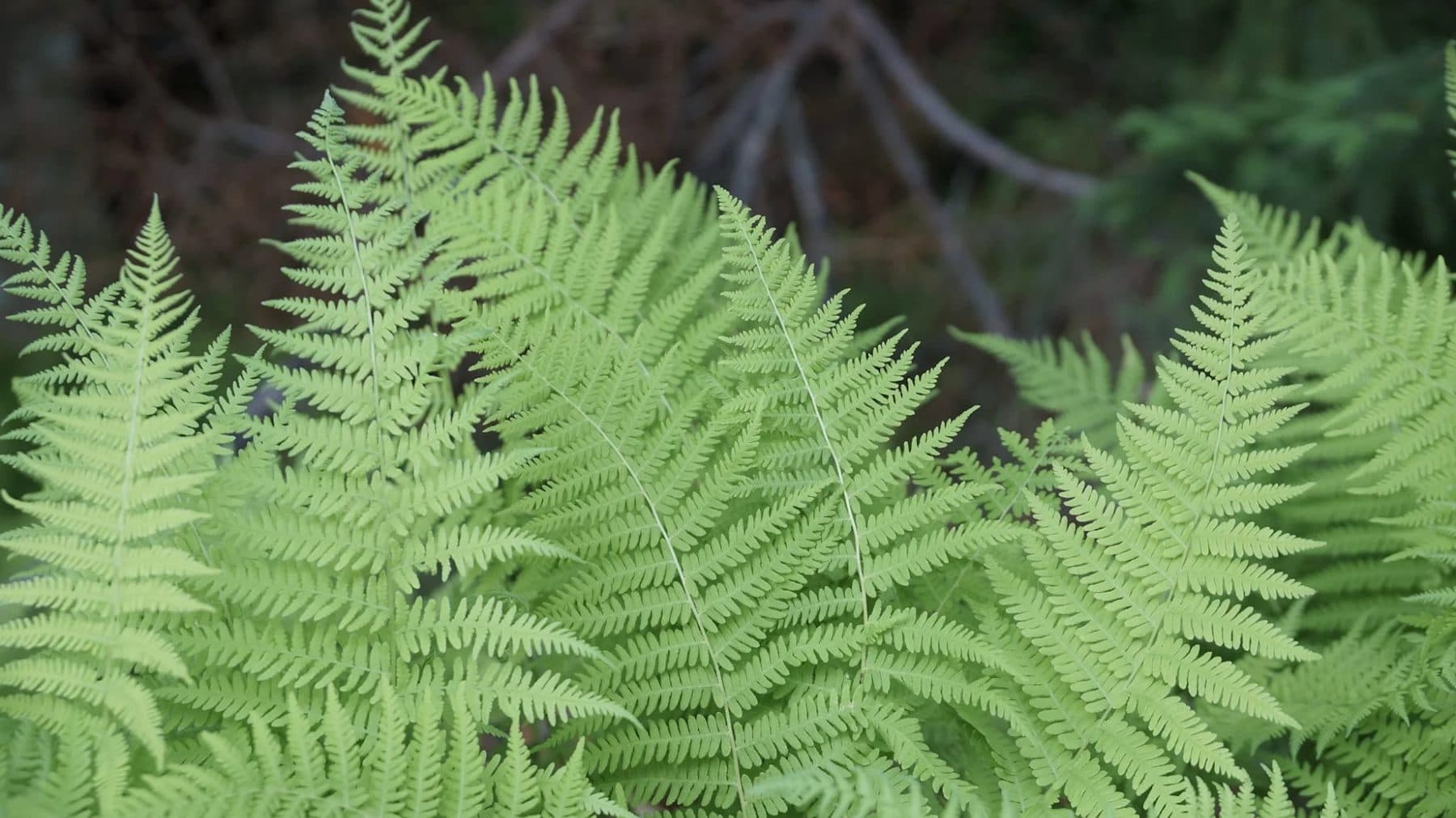
Polypodiopsida
Lush, cool green texture and fronds that invite touch. The sensory planter's shade and touch plant.
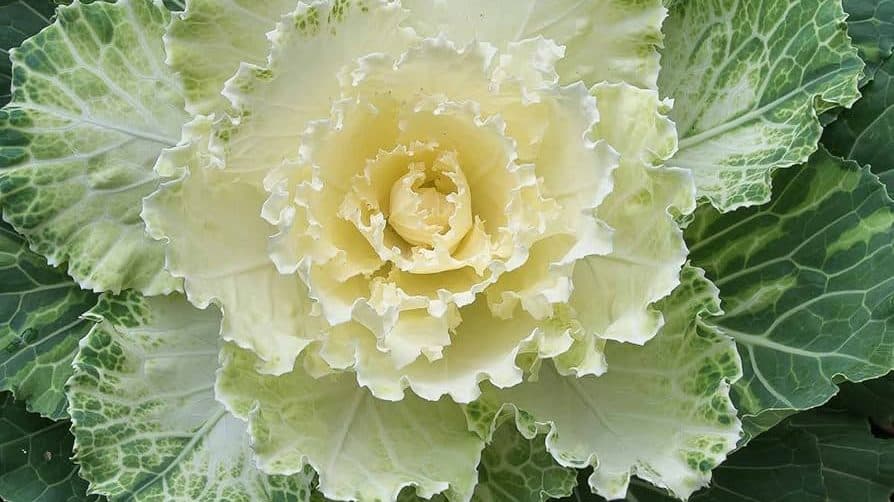
Brassica oleracea
Ruffled, rose-like leaves in cream and purple that get brighter as the weather gets colder.
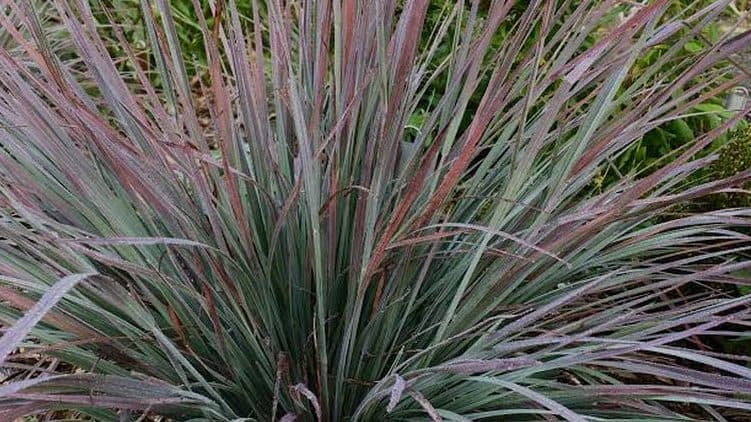
Schizachyrium scoparium
A native prairie grass that turns copper in fall, rustles in the wind, and hosts skipper caterpillars.
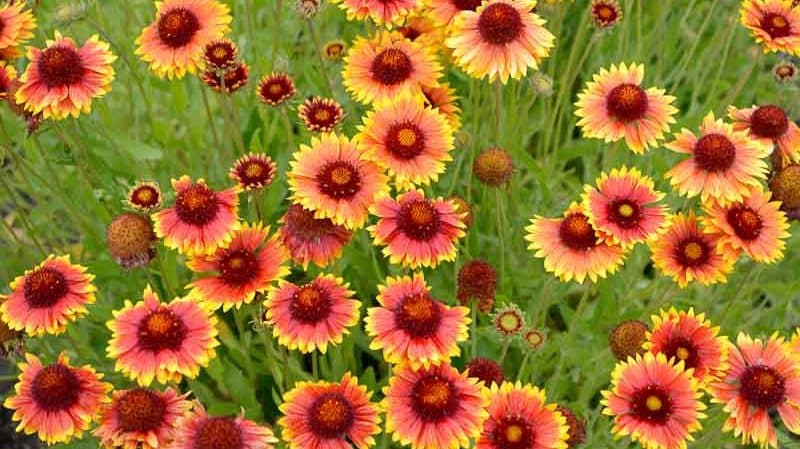
Gaillardia spp.
Fiery red-and-yellow daisies that bloom for months and pull in butterflies.
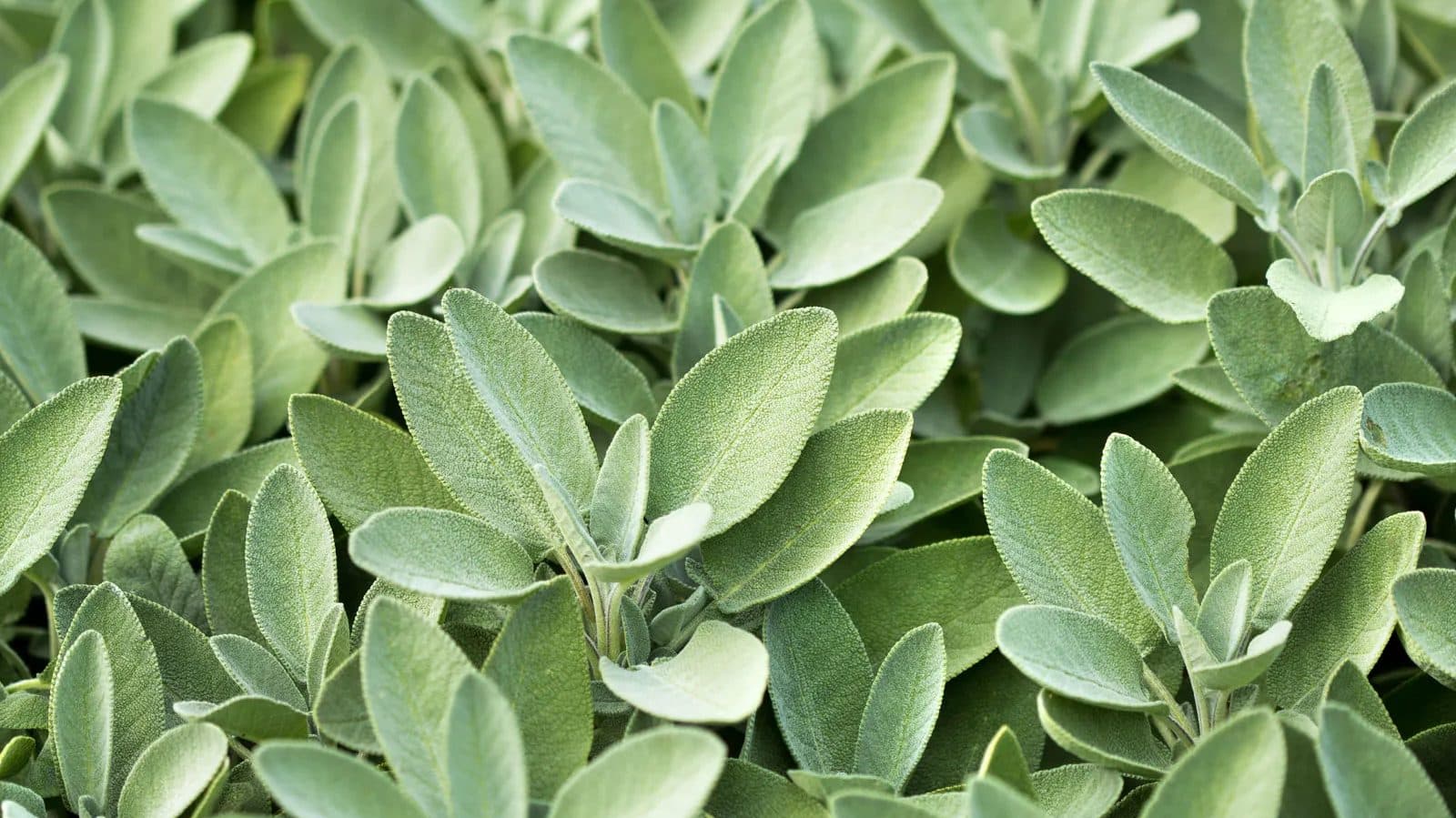
Salvia officinalis
Soft, fuzzy, gray-green leaves you cannot help but rub, with a scent that says Thanksgiving.
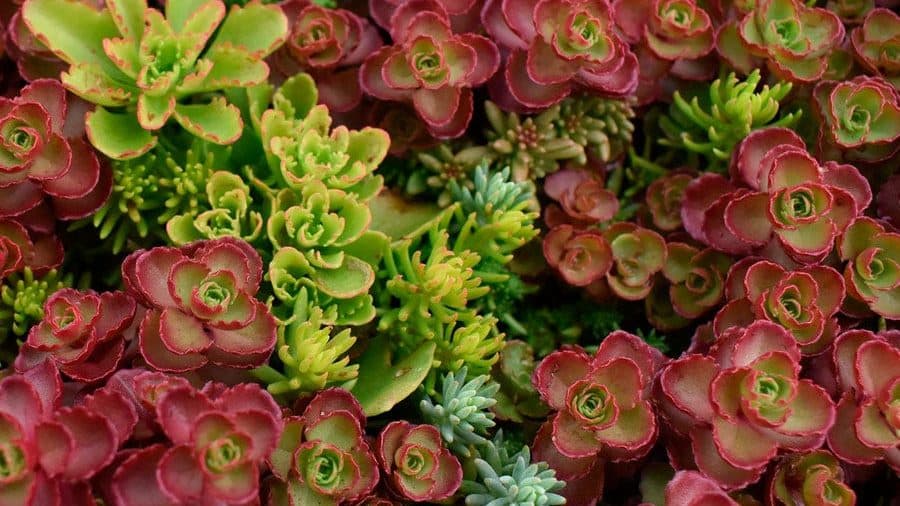
Sedum / Hylotelephium spp.
Thick, smooth succulent leaves and late-season flower clusters that bees and butterflies crowd onto in fall.
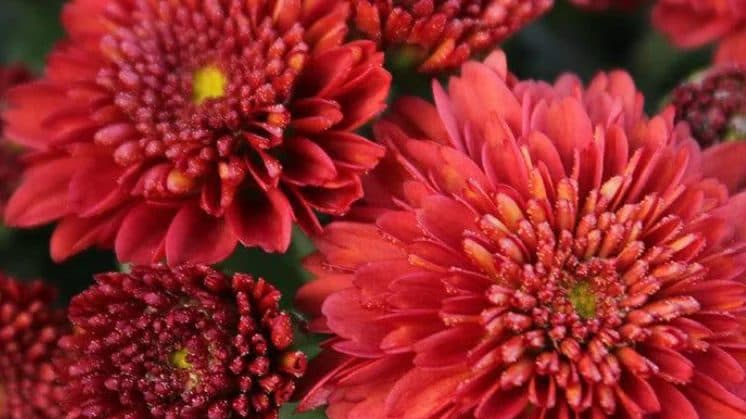
Chrysanthemum × morifolium
The classic fall flower, in every color, for a burst of late-season color and a light floral scent.
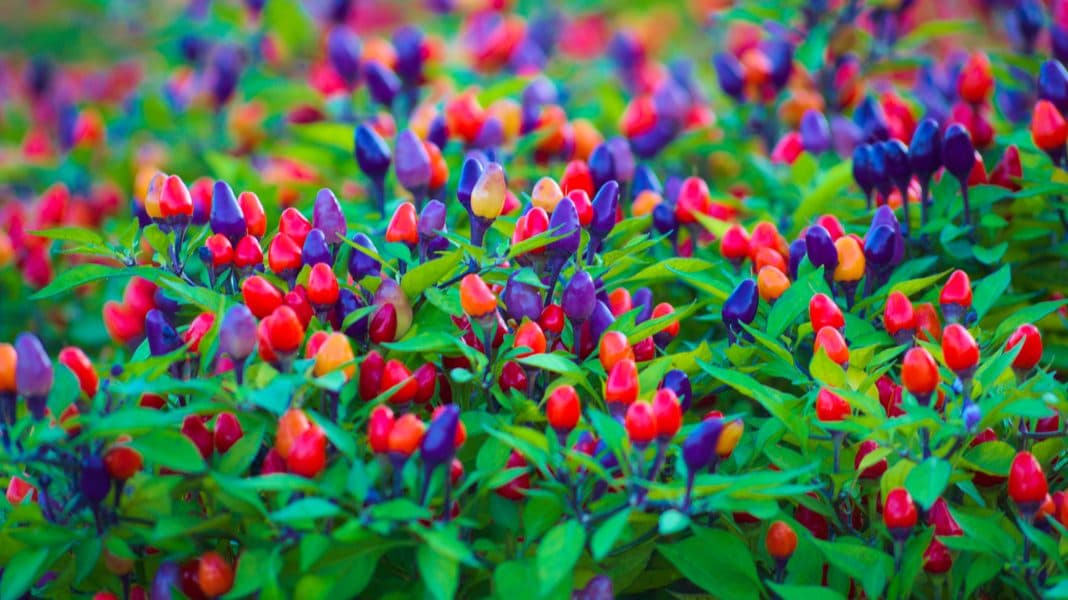
Capsicum annuum
Tiny jewel-toned peppers in red, orange, and purple that add a fun, unexpected texture.
Photo gallery
Find it
More installations
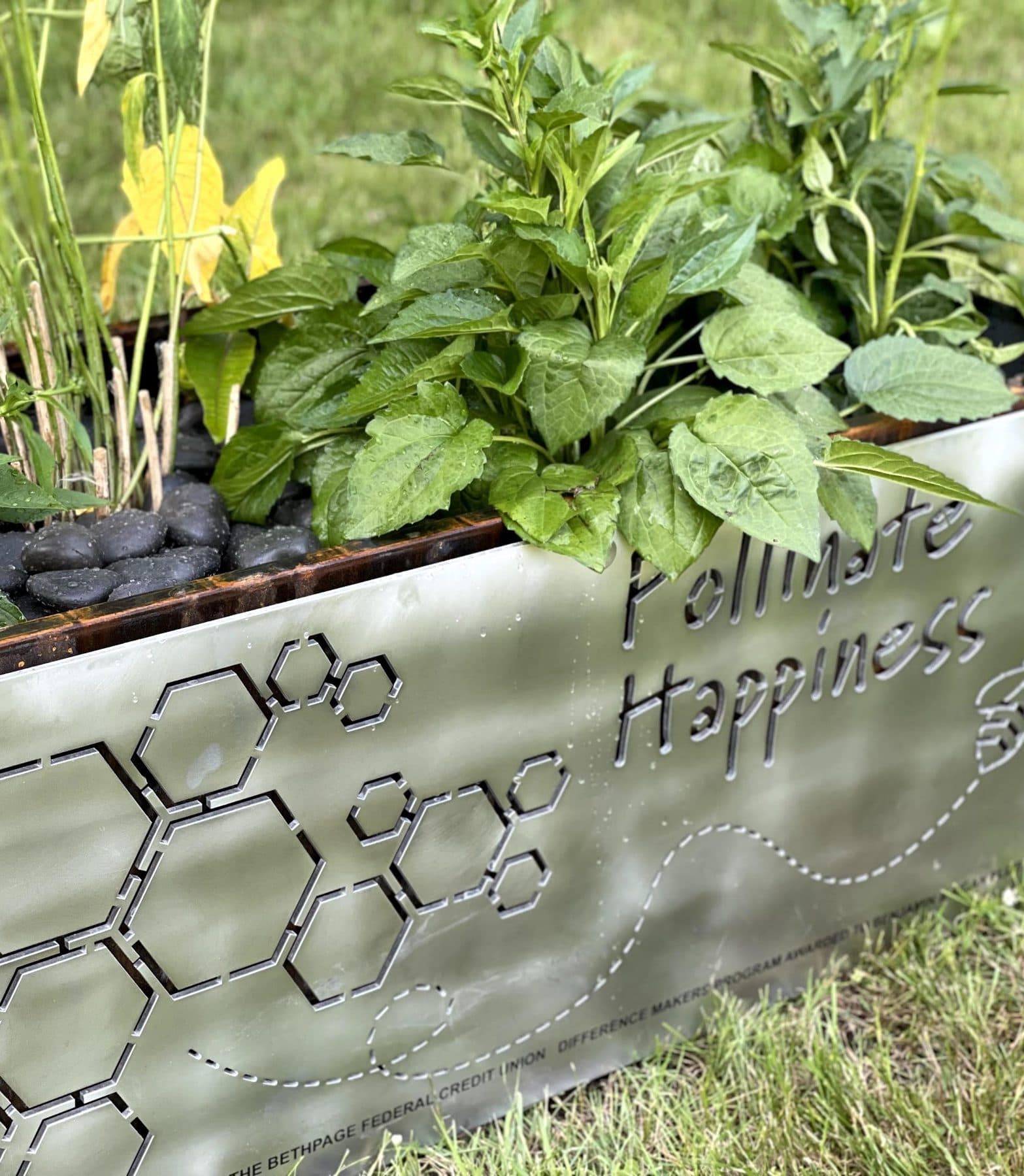 No. 1 · June 2021
Cold Spring Harbor, NY · Suffolk County
Our very first native pollinator planter bench, installed in June 2021 at the North Shore Land Alliance's Wawapek Preserve with a grant from Bethpage Federal Credit Union's Difference Makers program.
Visit this installation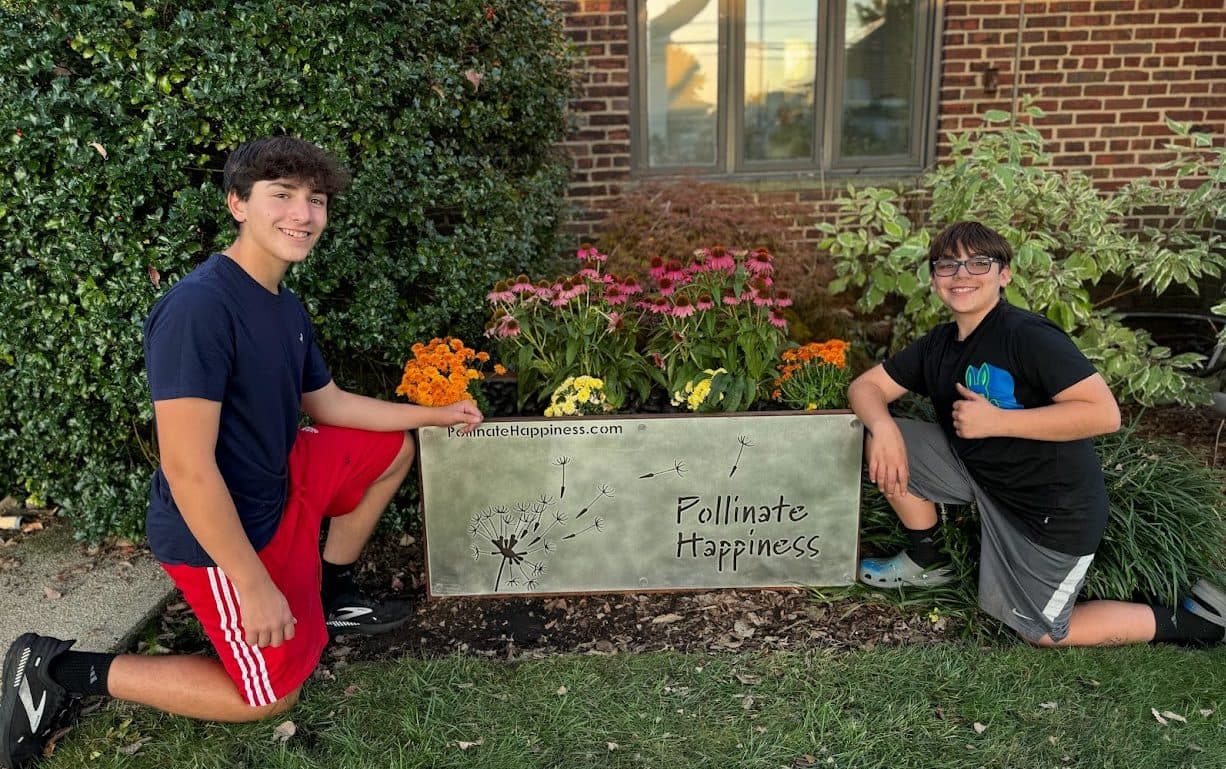 No. 2 · October 4, 2023
Hicksville, NY · Nassau County
A pollinator planter outside the Hicksville Public Library, installed in October 2023 with the support of Nice-Planter and recognized with a citation from the Nassau County Legislature.
Visit this installation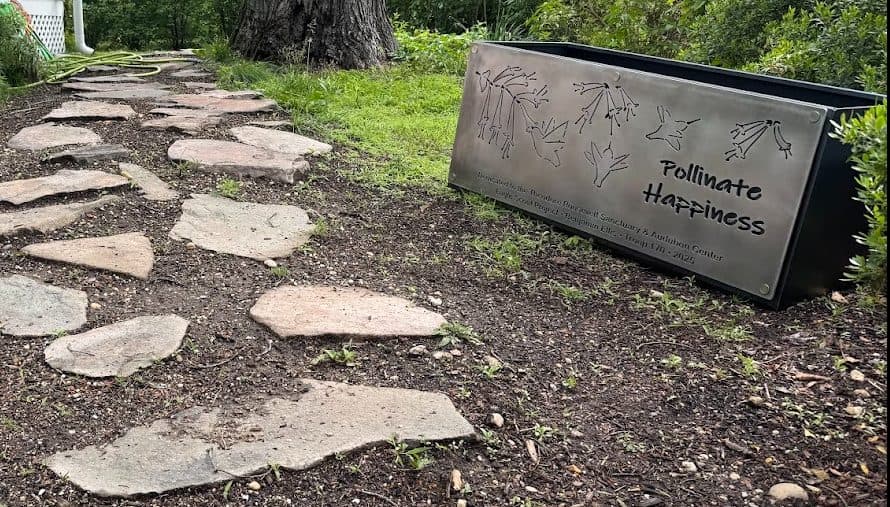 No. 3 · November 23, 2024
Oyster Bay, NY · Nassau County
A steel pollinator planter at the Theodore Roosevelt Sanctuary & Audubon Center in Oyster Bay, completed November 23, 2024 as Ben Ellis's Eagle Scout project with Troop 170.
Visit this installation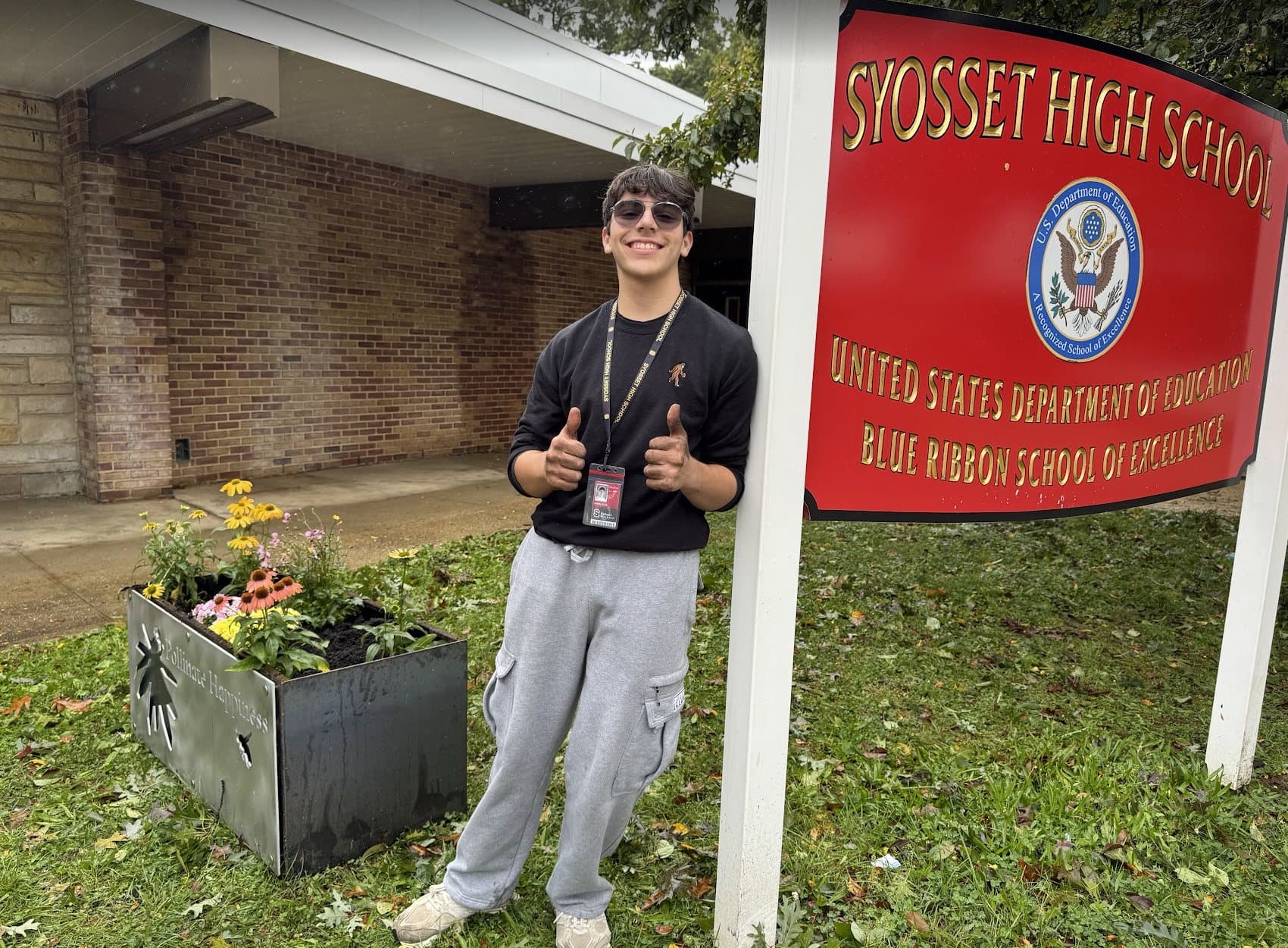 No. 5 · September 28, 2026
Syosset, NY · Nassau County
A Corten steel pollinator planter with a laser-cut aluminum artwork plaque at the front of Syosset High School, coordinated and designed by Aidan Ellis and planted with the Syosset High School Environmental Club.
Visit this installationSupport the project
Grants and private sponsorships pay for the steel, soil, and native plants. Every planter bench becomes a permanent, public lesson in why native plants matter, and every dollar goes toward the next one.