how-to · seed saving · propagation
How to Collect, Clean, Store, and Winter-Sow Native Plant Seed
A practical guide to saving seed from native pollinator plants: how to tell when milkweed, coneflower, bee balm, goldenrod, and asters are ripe, how to collect and clean them responsibly, cold stratification, and the milk-jug winter sowing method that turns a handful of seed into a garden for free.
By Aidan and Ben Ellis · Published September 8, 2026 · Updated September 28, 2026 · 9 min read
Every native plant in our benches came from a nursery, but the second generation is free. A single coneflower head holds a few hundred seeds; one milkweed pod, about two hundred. Learn to collect and sow them and you can fill a yard, share with neighbors, and keep local genetics going. This guide covers the how and the when, and our Seed Saving Calendar turns the when into dates for your zip code.
The rules first
- Your garden, a friend's garden, or land where you have explicit permission. Never collect in preserves, parks, or sanctuaries. That includes our planters at Wawapek, the Theodore Roosevelt Sanctuary, and the museum. Ask us and we will share seed from home.
- Take a tenth or less of any wild population's seed, and none from rare species. Birds and next year's plants need the rest.
- Know the plant. Photograph it in bloom and confirm the ID before you collect. Black swallow-wort pods look like milkweed pods; do not spread that.
- No hybrids. Seed from cultivars often does not come true, and seed from double-flowered varieties can carry the same problems for pollinators.
When seed is ripe
Immature seed does not germinate, so timing is everything. General signs: the flower head or pod has turned brown and dry, the seed inside is dark (tan, brown, or black) rather than green or white, and it releases with a light tug or shake. Specific cues for the plants we grow:
| Plant | Ready when | Typical month (Long Island) |
|---|---|---|
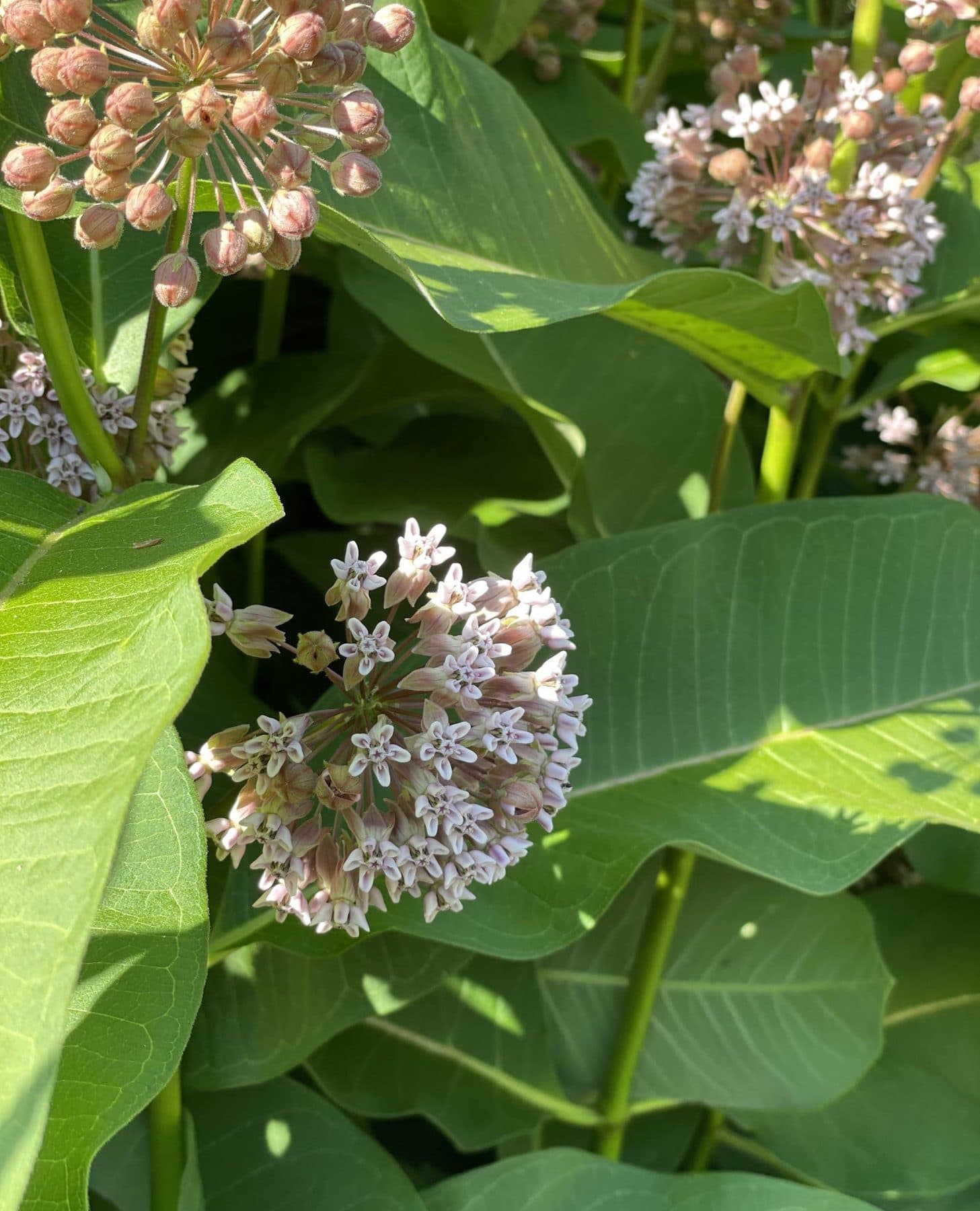
| Common, swamp, butterfly milkweed | Pod softens, browns, and splits along the seam; seeds brown | Aug–Oct |
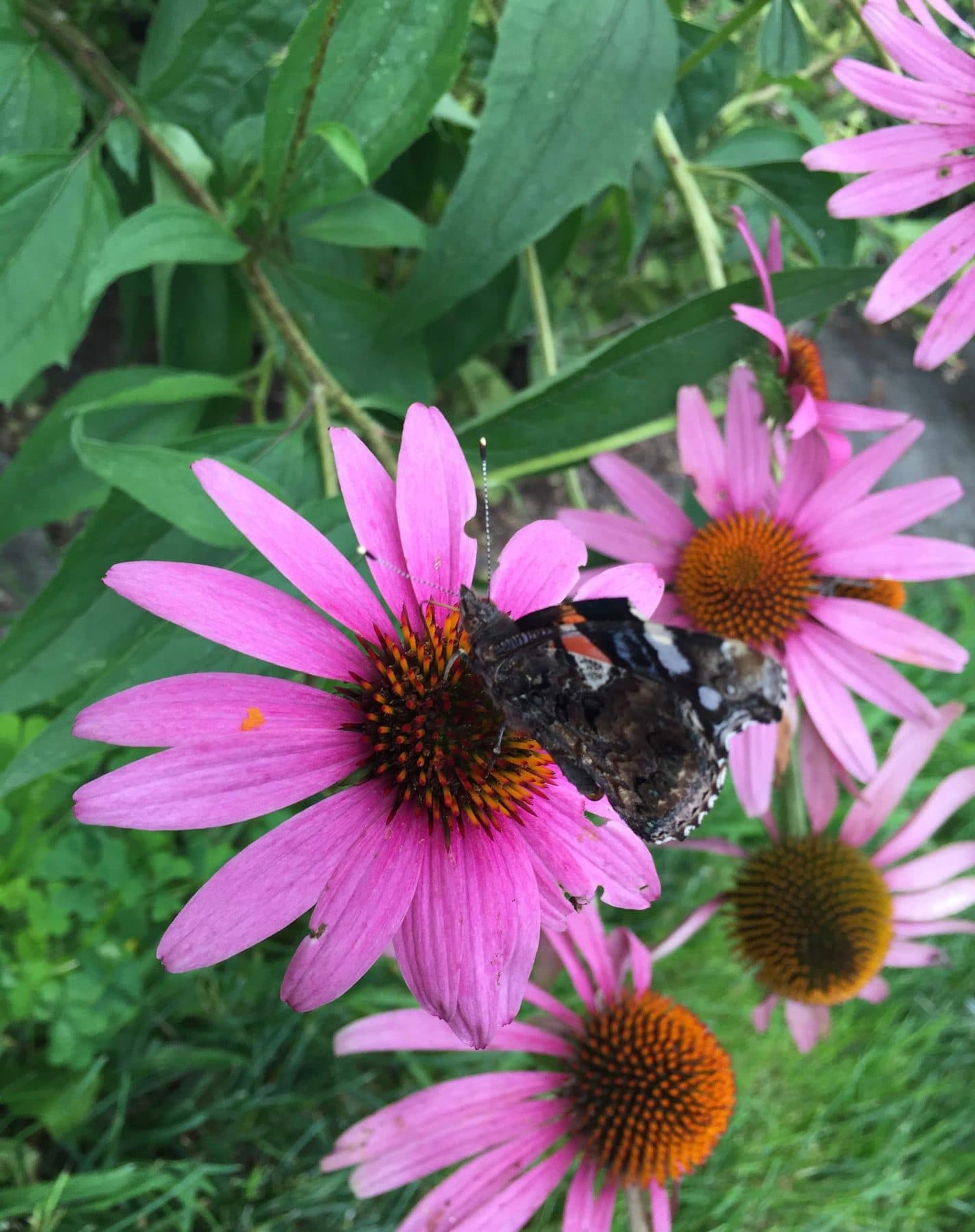
| Purple coneflower | Cone black and spiny; seeds hard and tan | Sep–Nov |
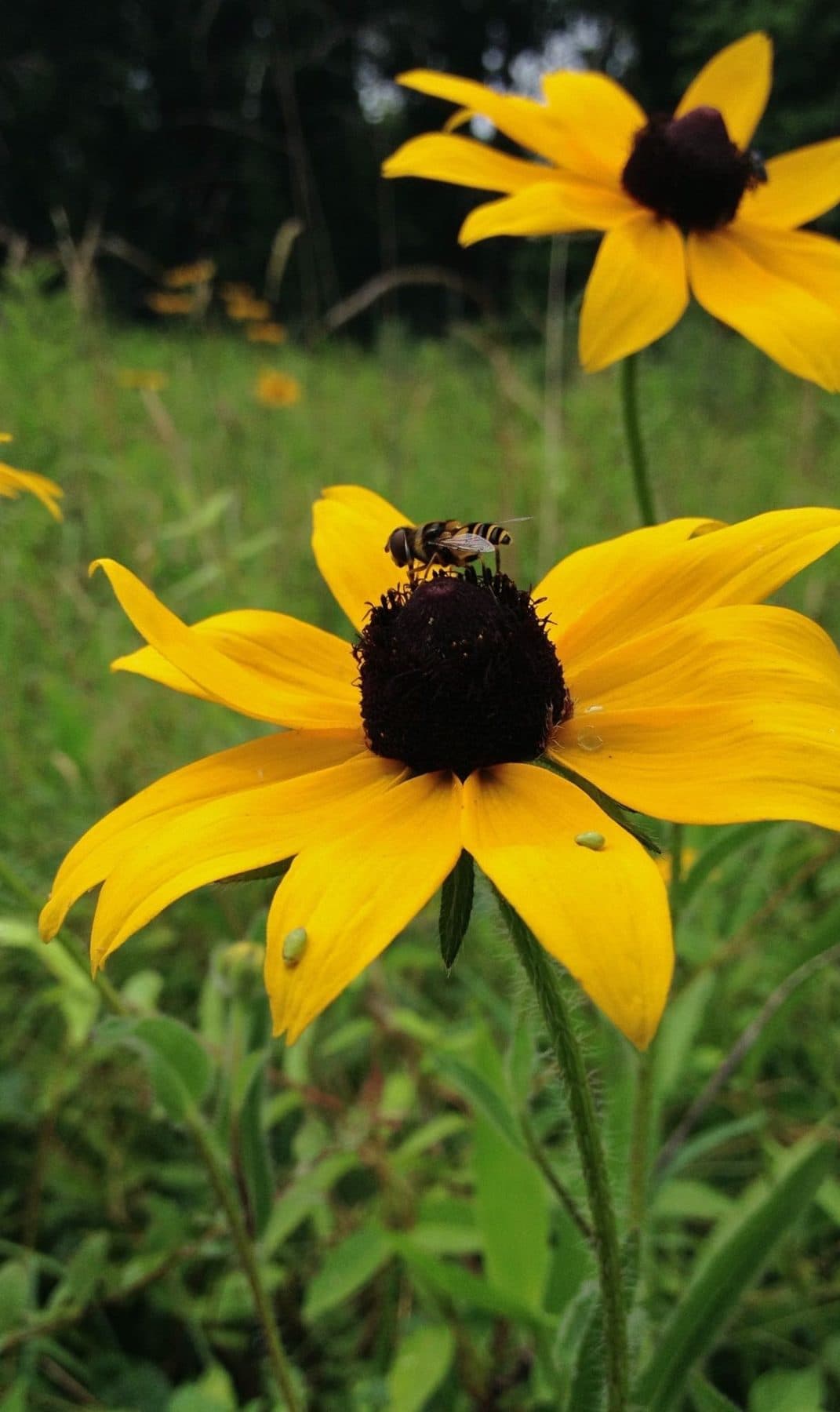
| Black-eyed Susan | Center dark and dry; black seed shakes free | Sep–Oct |
| Bee balm, wild bergamot | Round heads dry; seed rattles out | Sep–Oct |
| Goldenrod, asters, Joe Pye weed, ironweed | Heads fluffy and tan or white | Oct–Nov |
| Blazing star | Spike fluffy from the top down | Oct–Nov |
| Beardtongue, cardinal flower | Capsules brown and split at the tip; seed like dust | Sep–Oct |
| Columbine, golden Alexanders, wild geranium | Capsules brown; geranium flings its seed, so bag it early | Jun–Aug |
| Little bluestem, switchgrass | Seed heads silver and fluffy | Oct–Nov |
Ripening runs a week or two earlier on the South Shore and in hot years. Our Garden Calendar shows which natives iNaturalist users have tagged as setting seed near you right now.
Collecting
Go out on a dry afternoon, after the dew has burned off; damp seed molds in storage. Bring paper bags or envelopes, never plastic, and a marker. One species per bag, labeled with the species, the place, and the date.
- Snip whole heads or pods into the bag with pruners.
- For plants that fling seed (wild geranium, garden phlox, violets) or open fast (butterfly weed), tie a square of organza or a mesh produce bag over developing heads a week or two early.
- For fluffy seed (asters, goldenrod, bluestem), strip it upward off the stem with a gloved hand.
- For milkweed, catch pods the day the seam opens. Hold the floss end and strip seeds off with a thumbnail, or shake pods in a paper bag with a coin and pull the floss out.
Cleaning and drying
Spread everything on newspaper or screens indoors for a week so it is fully dry. Then:
- Rub coneflower and black-eyed Susan heads between gloved palms over a bowl; the seed falls out and the chaff can be blown off.
- Shake bee balm, beardtongue, and cardinal flower heads upside down in the bag; sift through a kitchen strainer.
- Leave fluff on asters and goldenrod. It does no harm and cleaning it is miserable.
- For fleshy fruit (spicebush, serviceberry, blueberry, black cherry), mash in a bowl of water; good seed sinks. Do not let these dry out; sow them within days.
Perfect cleaning is not required. Nurseries clean to sell by weight; you are sowing by the pinch.
Storing
Dry seed goes into labeled paper envelopes inside a sealed glass jar in the refrigerator, with a silica gel packet if you have one. Hard, dry seed (coneflower, milkweed, bee balm, grasses, goldenrod, asters) keeps for several years this way. Columbine and phlox fade within a year, so sow them the same season.
Breaking dormancy: cold stratification
Most temperate natives will not germinate until they have been cold and damp for a stretch, a safeguard against sprouting in a warm October. The requirement is expressed in days of cold-moist stratification: about 30 for milkweed, coneflower, bee balm, and most asters and goldenrods; 60 for blazing star, beardtongue, cardinal flower, and phlox; 90 to 120 for shrubs and trees like blueberry, spicebush, and black cherry. A few, including black-eyed Susan, anise hyssop, and false sunflower, need none.
Two ways to do it:
Fridge method. Mix seed with a spoonful of barely damp sand or vermiculite (or fold into a damp paper towel), seal in a labeled zip bag, and refrigerate for the required days. Check monthly for mold or early sprouting. Time it to finish about two weeks before your last frost; the Seed Saving Calendar computes the start date for each species from your zip code.
Winter sowing. Far easier, and what we recommend for nearly everything.
Winter sowing, step by step
- Save translucent gallon milk or water jugs. Poke four drainage holes in the bottom and a few vents near the top.
- Cut around the jug about 4 inches up, leaving a hinge under the handle.
- Add 3 inches of moist potting mix (not garden soil).
- Sow seed on the surface, thicker than feels right. Press small seed in and leave it uncovered if the plant needs light (bee balm, beardtongue, cardinal flower, black-eyed Susan, mountain mint); cover larger seed lightly.
- Tape the jug shut with duct tape, leave the cap off, and label the outside with a paint marker (Sharpie fades).
- Set jugs outside in a spot that gets rain and snow but not full afternoon sun, any time from the first hard freeze through late February on Long Island. Ignore them. Snow on top is good.
- In March and April, seedlings appear on their own schedule, already hardened off. Open the jugs on warm days and close them when frost threatens. Water if the mix dries.
- When seedlings have two sets of true leaves and nights stay above 45°F, cut the soil into brownie-sized chunks and plant each chunk as a clump. Water weekly the first summer.
What to do with the seed you don't need
Give it away. Label envelopes with the species, a photo, and a line about what it feeds, and hand them out at school, the library, or a scout meeting. A packet of milkweed seed has started more pollinator gardens than any lecture. If you want to go further, the Long Island Native Plant Initiative and local seed libraries collect local-ecotype seed; see our Resources page.
Sources
- Prairie Moon Nursery, Germination Codes and Seed-Starting Basics for Native Plants - https://www.prairiemoon.com/PDF/Germination-Codes-and-Seed-Starting-Basics-22-Dec.pdf
- Wild Ones Front Range Chapter, "How to Winter Sow Native Seeds in Milk Jugs or Plastic Containers" - https://frontrange.wildones.org/how-to-winter-sow-native-seeds-in-milk-jugs-or-plastic-containers/
- Homegrown National Park, "Winter Sowing: A Simple Way to Start Your Native Garden" - https://homegrownnationalpark.org/news/stories/winter-sowing-budget-friendly-way-to-start-your-native-garden/
- Long Island Native Plant Initiative - https://www.linpi.org/
Written by Aidan and Ben Ellis of Pollinate Happiness, Long Island, NY. Found an error? Let us know.