how-to · native plants · Long Island
How to Start a Native Pollinator Garden on Long Island
A step-by-step guide to planting a native pollinator garden on Long Island: choosing a site, removing turf, picking plants for three seasons of bloom, planting, and the low-maintenance care that keeps bees and butterflies coming back.
By Aidan and Ben Ellis · Published September 8, 2026 · Updated September 28, 2026 · 9 min read
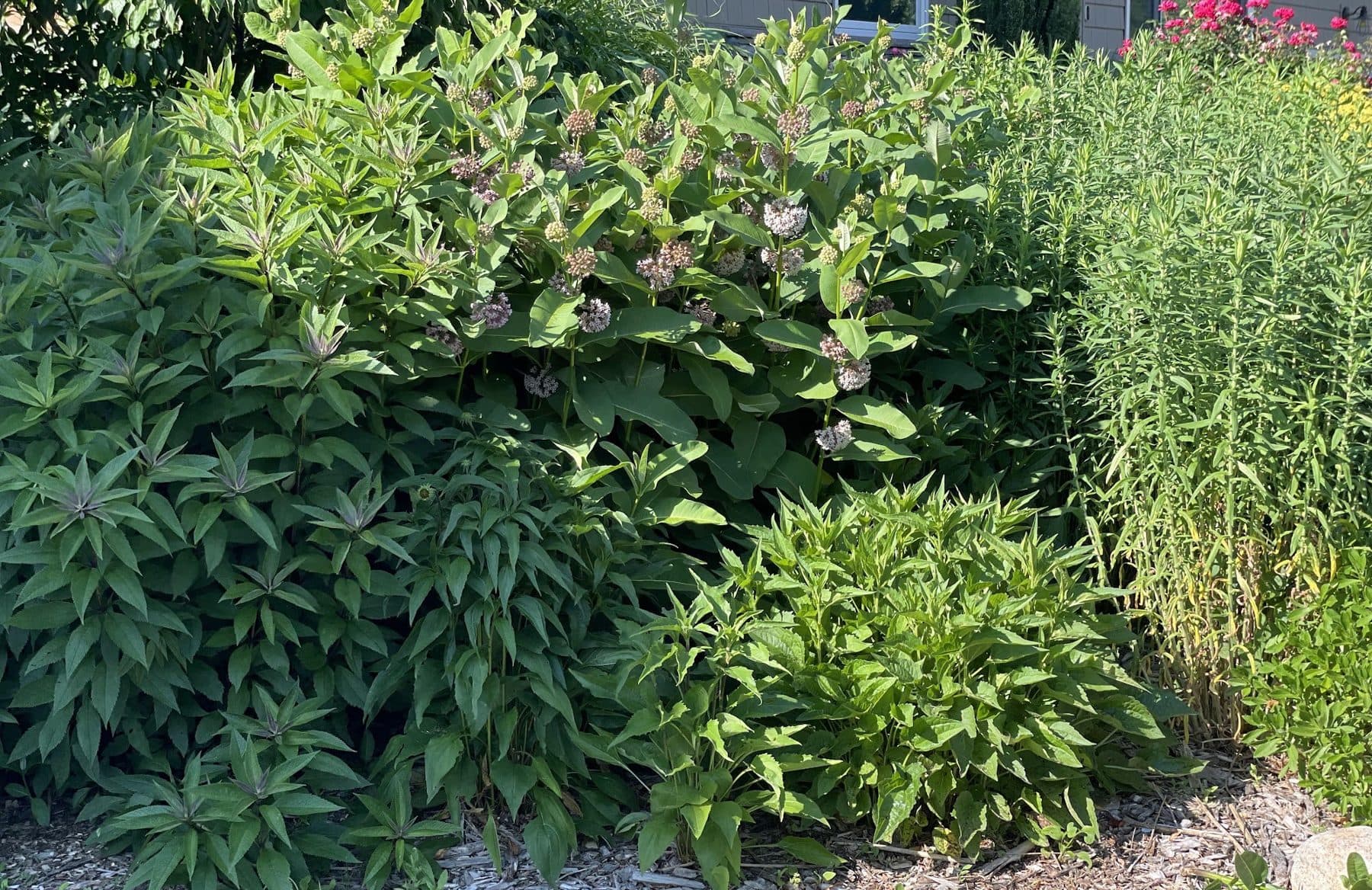
Long Island sits on sandy glacial soil in USDA hardiness zone 7a and 7b, with salt air near the shores and an increasingly long, hot summer. It is also home to more than 400 species of native bees, the eastern monarch flyway, and a set of native plants that evolved to feed them. A pollinator garden here does not need to be big or expensive. It needs the right plants, planted the right way, and then mostly left alone.
This is the process Aidan and Ben used for the Pollinate Happiness planter benches, scaled to a backyard.
1. Pick a sunny spot
Most native pollinator plants want six or more hours of direct sun. Look at your yard at 10 am, 1 pm, and 4 pm and note where the light falls. A strip along a fence, the hell strip between the sidewalk and street, or a corner of lawn you are tired of mowing are all good candidates.
Drainage matters more than soil richness. Long Island's sandy soil is a feature: coneflower, butterfly weed, little bluestem, and goldenrod all prefer lean, well-drained ground and will flop in rich, wet soil. If you have a low, damp spot instead, that is your rain garden, and swamp milkweed, Joe Pye weed, cardinal flower, and blue vervain will be happier there than anywhere else.
Even a 4 by 8 foot bed supports a surprising number of pollinators. If you rent or have no ground, a large planter (at least 18 inches deep) filled with a potting mix cut with compost works, which is exactly what our benches are.
2. Clear the ground
Two methods work well and neither involves herbicide:
- Sheet mulching. In fall, mow the grass short, lay overlapping flattened cardboard (tape removed), wet it, and cover with 3 inches of wood chips. Plant straight through it the following spring. This is the least work and builds soil.
- Sod lifting. For an immediate bed, cut the turf into strips with a flat spade and peel it up, or rent a sod cutter for large areas. Compost the sod upside down.
Whatever you do, pull invasive plants completely. Mugwort, Japanese stiltgrass, and garlic mustard are the usual suspects in Nassau and Suffolk beds. Use our Invasive Species tool to see what is spreading in your zip code.
3. Choose plants for three seasons
Pollinators need food from April to October, so the garden needs something in bloom the whole time. A simple framework:
| Season | Role | Long Island natives |
|---|---|---|
| Spring (Apr–May) | Feed emerging bumble bee queens and early butterflies | Moss phlox, golden Alexanders, wild columbine, foxglove beardtongue, highbush blueberry |
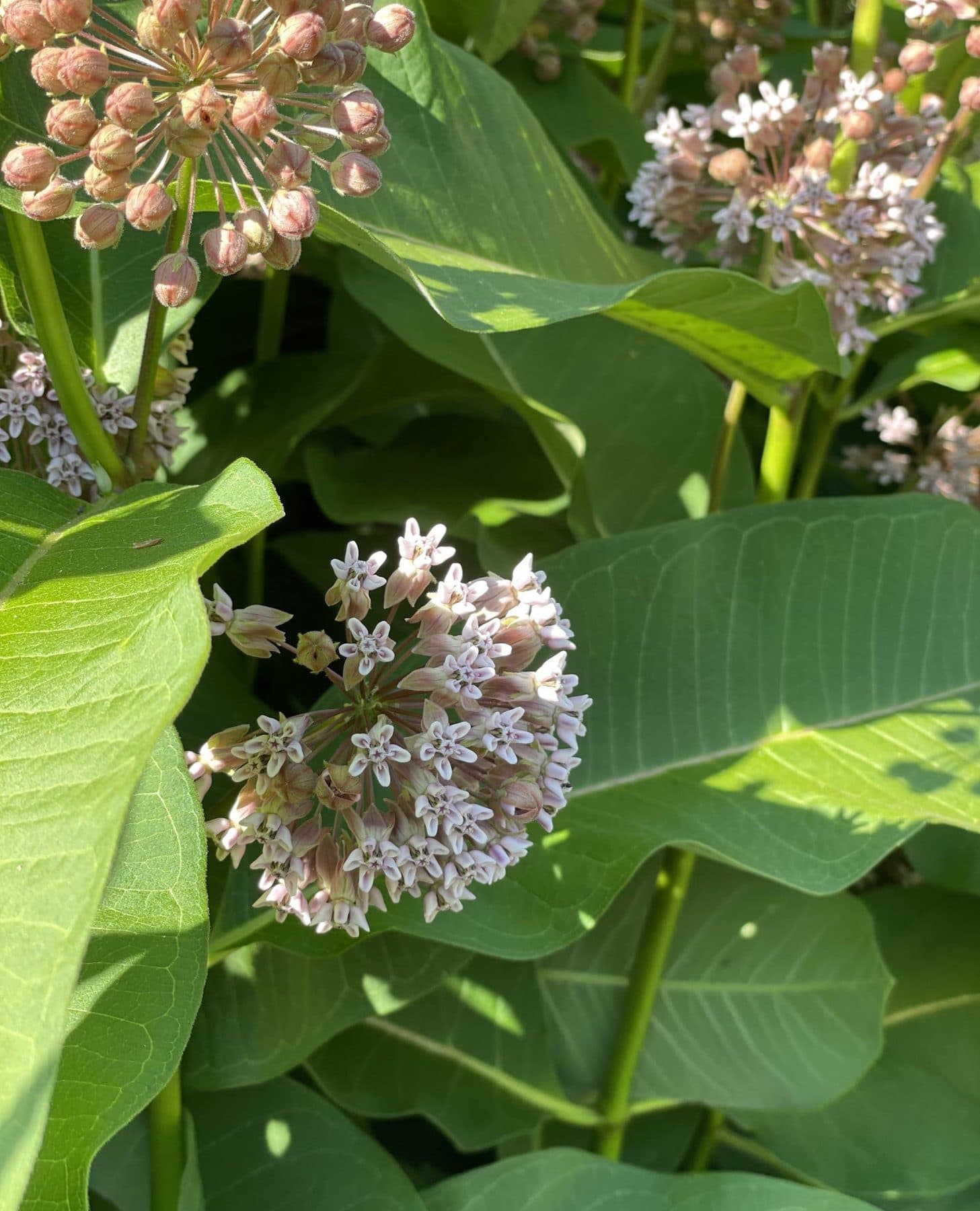
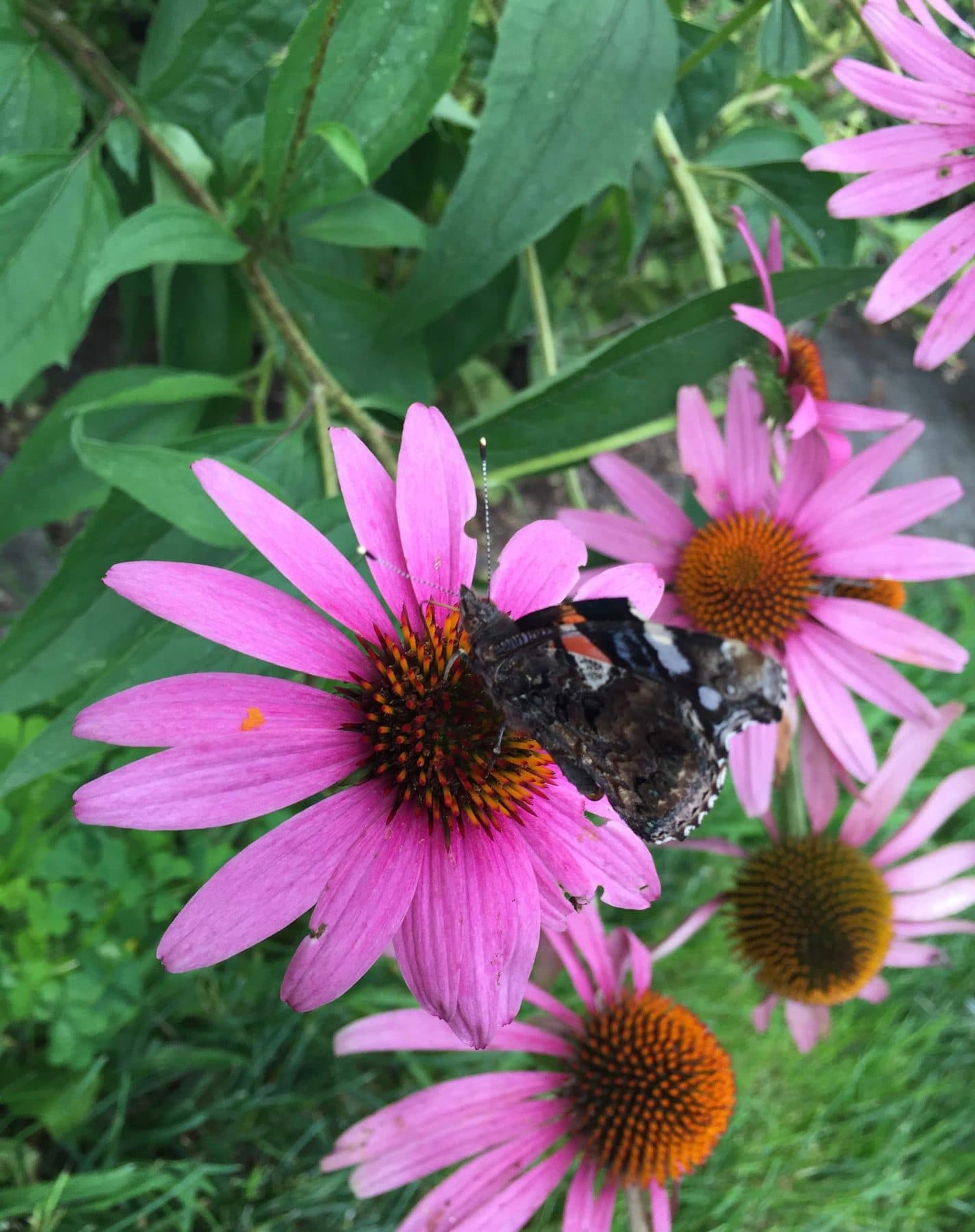
| Early summer (Jun–Jul) | Peak bee season and monarch arrival | Purple coneflower, common or butterfly milkweed, black-eyed Susan, bee balm, mountain mint |
| Late summer (Jul–Aug) | Big butterflies and hummingbirds | Joe Pye weed, garden phlox, blazing star, swamp milkweed, cardinal flower |
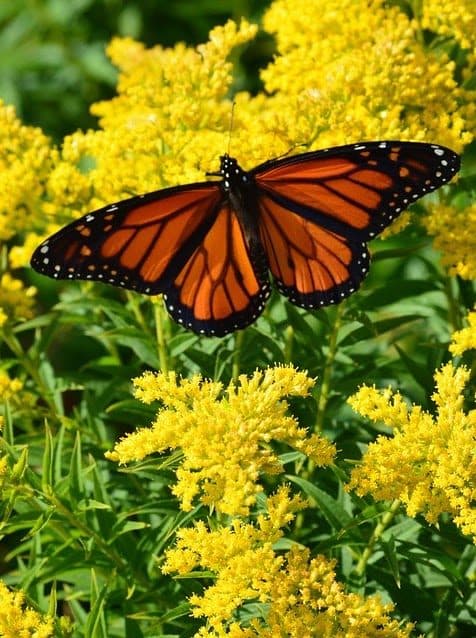
| Fall (Sep–Oct) | Fuel the monarch migration and the last bees | Goldenrod, New England aster, smooth aster, white wood aster |
| All year | Structure, host plant, winter shelter | Little bluestem or switchgrass |
A few rules of thumb:
- Include a milkweed. It is the only thing monarch caterpillars can eat. Native milkweed, not tropical milkweed.
- Buy straight species or, at most, selections that keep the wild flower shape. Double-flowered coneflowers and red-leaved cultivars often feed far fewer insects.
- Ask whether plants were treated with neonicotinoids. Systemic insecticides stay in the pollen. Long Island native nurseries listed on our Resources page do not use them.
- Use our Native Plant Finder to filter by sun, moisture, and what you want to attract.
4. Plant in groups
Bees and butterflies find flowers by color from a distance. Single plants scattered around get missed; drifts of three to five of the same species get found. Space perennials 12 to 18 inches apart, closer than the tag says, so the bed fills in and shades out weeds by year two.
Plant in spring after the last frost (mid-April on Long Island) or in September, which gives roots six weeks to establish before the ground cools. Soak the pots first, loosen circling roots, set the crown at soil level, and water deeply.
5. Mulch lightly and water the first season
Skip the dyed bark mulch. Shredded leaves are free, feed the soil, and are where many butterflies and moths overwinter as pupae. Keep mulch thin, an inch or two, and leave some patches of bare, sunny soil: about 70 percent of native bees nest in the ground and cannot dig through a thick mulch layer.
Water weekly through the first summer unless it rains an inch. After that, an established native bed on Long Island rarely needs watering.
6. Skip pesticides and leave the stems
This is the step most people get wrong. A pollinator garden is a nursery. Caterpillars chew leaves, aphids cluster on milkweed, and leafcutter bees snip neat circles out of redbud leaves. All of that is the garden working. Spraying anything, including organic products like pyrethrin, kills the insects you planted for.
In fall, leave everything standing. Coneflower and black-eyed Susan seed heads feed goldfinches into February. Hollow stems of bee balm, Joe Pye weed, and mountain mint are where small carpenter bees and mason bees spend the winter. Cut back in mid-April, when daytime temperatures stay above 50°F, and leave the cut stems in a loose pile at the back of the bed for a few more weeks.
What to expect
Year one, the plants sleep. Year two, they creep. Year three, they leap, and you will be dividing coneflowers to give away. Expect bumble bees within days of the first bloom, monarch eggs on the milkweed by late June, and goldfinches on the seed heads by August. Add a shallow dish of water with stones for landing, and you are done.
Want to see the plan in action? Visit any of our five installations or browse the plants we use.
Sources
- USDA Agricultural Research Service, USDA Plant Hardiness Zone Map (2023) - https://planthardiness.ars.usda.gov/
- Xerces Society, "5 Ways to Increase Nesting Habitat for Native Bees" (2018) - https://xerces.org/blog/5-ways-to-increase-nesting-habitat-for-bees
- Xerces Society, "How to Make a Pollinator Garden" - https://www.xerces.org/blog/how-to-make-pollinator-garden
- Long Island Native Plant Initiative, Plant Sales - https://www.linpi.org/plant-sales
Written by Aidan and Ben Ellis of Pollinate Happiness, Long Island, NY. Found an error? Let us know.