Looking up observations…
Zip code tool
Garden Calendar
What should a native gardener do this week, right here? Enter a zip code for your frost dates, a planting and pollinator forecast built on soil temperature, this season's task list, and what is blooming and setting seed near you.
Pests and invasives to watch for in Nov
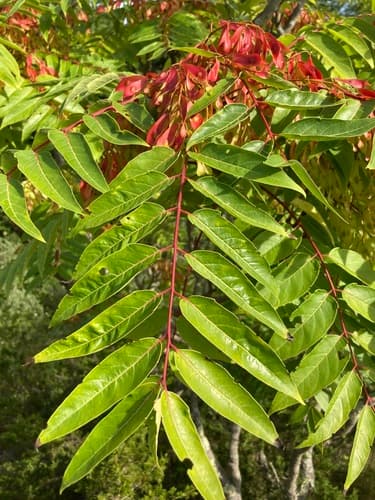 no rights reservedTree-of-heaven · Seed clustersBig drooping clusters of twisted, papery, tan-to-red samaras on female trees, persisting into winter.Story, harm, and what to do →
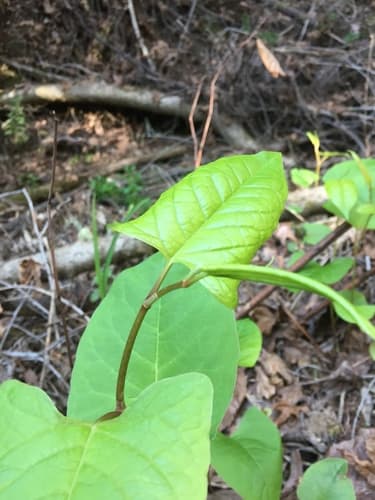 (c) miles_h, some rights reserved (CC BY-NC)Japanese knotweed · Dead canesStanding dead tan canes, hollow and brittle; the rhizomes underneath are very much alive.Story, harm, and what to do →
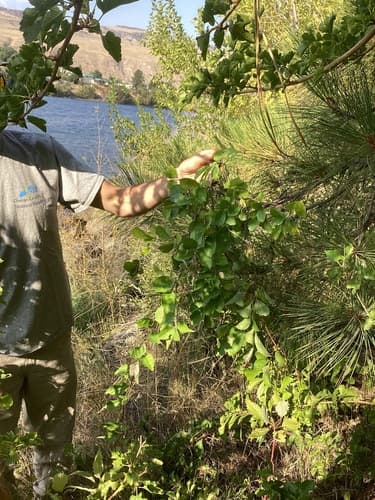 (c) jenna_medlar, some rights reserved (CC BY-NC)Oriental bittersweet · Orange berriesYellow-orange capsules along the stems splitting to show red seeds, unmistakable after leaf drop.Story, harm, and what to do →
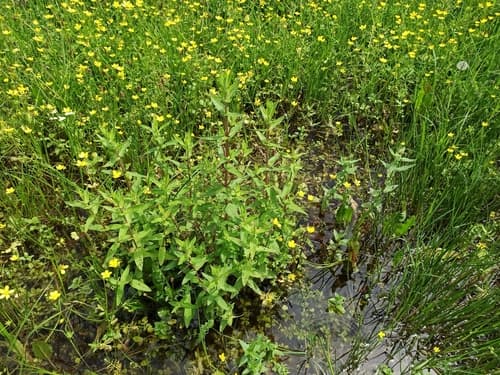 (c) roman_romanov, some rights reserved (CC BY-NC)Purple loosestrife · DormantDead brown stems standing in marsh edges; new red-tinged shoots in May.Story, harm, and what to do →
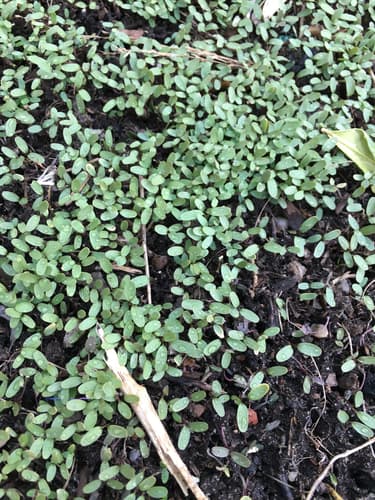 (c) Sequoia Janirella Wrens, some rights reserved (CC BY-NC)Garlic mustard · RosettesLow rosettes of kidney-shaped, scalloped leaves that smell of garlic when crushed. They stay green all winter, which makes them easy to spot.Story, harm, and what to do →
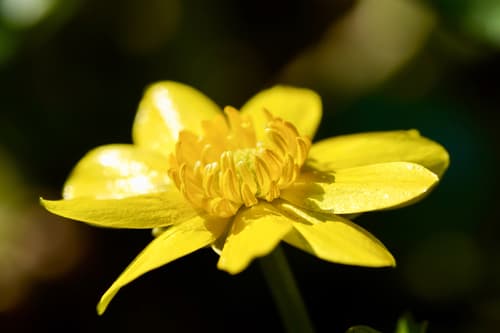 (c) gg_copen, some rights reserved (CC BY-NC)Lesser celandine · GoneNothing visible at all; bare soil where native spring wildflowers should be.Story, harm, and what to do →
Season · Long Island default frost dates
Late fall
After first frost. Leave the garden standing, harvest the last seed, and start winter sowing once the ground stays cold.
- 1Leave all stems and seed heads standing through winter for birds and overwintering insects.
- 2Collect the last seed: asters, goldenrod, ironweed, little bluestem, mountain mint, turtlehead.
- 3Plant trees and shrubs until the ground freezes; they root all winter.
- 4After the first hard freeze, start winter sowing in jugs and flats.
- 5Sow spicebush, serviceberry, and black cherry seed outdoors now; they need a full cold winter.
- 6Note what bloomed when, and what was empty, while you still remember. Order accordingly in January.
Showing the task list for an average Long Island season (April 15 to November 9). Enter a zip code above for your own frost dates, forecast, and local observations.
FAQ
Timing questions
- How are the frost dates calculated?
- We pull ten years of daily low temperatures for your zip code's coordinates from the Open-Meteo historical weather archive and record, for each year, the last spring day and first fall day at or below 36°F, the air temperature at which frost usually forms on the ground and on leaves. The average is your typical light-frost date; we also show the latest spring and earliest fall frost in that period so you can see the risk. Treat the dates as a guide and watch the forecast.
- Why does soil temperature matter more than air temperature?
- Roots grow and seeds germinate based on soil warmth. Most native perennial plugs establish well once soil at planting depth is above about 50°F, and many seeds need 60°F or more. Air can be 70°F on an April afternoon while soil is still 45°F.
- When is the best time to plant native perennials?
- The six weeks after your last frost and the six weeks before your first frost. Spring gives the longest first season; fall gives cool soil, reliable rain, and less watering. Midsummer planting works only if you water weekly.
- Should I really leave dead stems up all winter?
- Yes. Coneflower and black-eyed Susan seed heads feed goldfinches, hollow stems house small carpenter bees and mason bees, and leaf litter shelters overwintering butterflies and moths. Cut back in spring once daytime highs hold above 50°F for a week.