Learn
Native plant library
The good news. Every plant here evolved with Long Island's insects and birds, and each one has a specific job: a caterpillar it raises, a bee that collects only its pollen, a bird it feeds in February. Plus the history, the folklore, and how to grow it.
Perennials
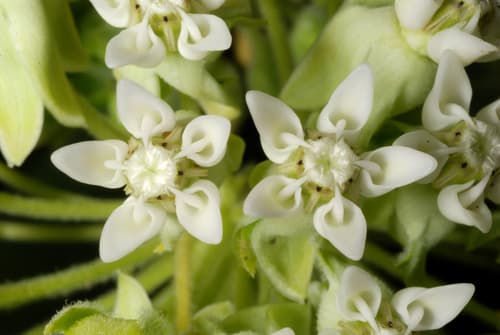 (c) Douglas Goldman, some rights reserved (CC BY-SA)Common milkweedAsclepias syriacaThe monarch is the famous one, but common milkweed is a whole community: milkweed tussock moth caterpillars, red milkweed beetles, large and small milkweed bugs, milkweed leaf beetles, and the oleander aphids that feed ladybugs and lacewings. The intensely fragrant June flowers are visited by more than 450 insect species, including bumble bees, honey bees, swallowtails, fritillaries, and hummingbird moths.
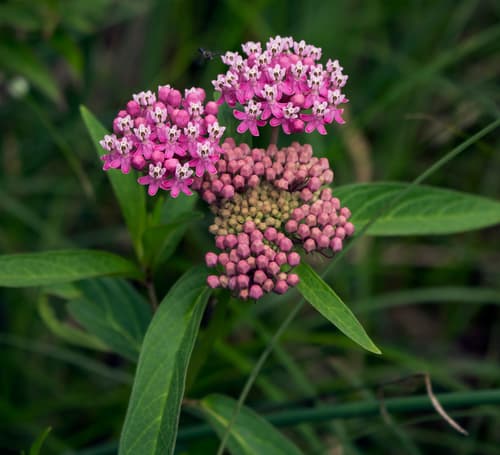 (c) aarongunnar, some rights reserved (CC BY)Swamp milkweedAsclepias incarnataMonarchs often prefer it for egg-laying because its leaves are more tender than common milkweed. The flowers draw swallowtails, fritillaries, skippers, and a crowd of bees, and the seed floss lines hummingbird and goldfinch nests.
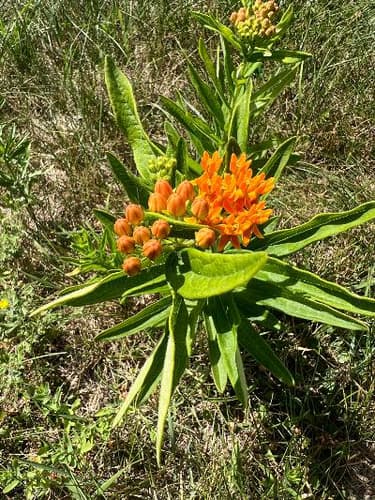 (c) Michael Kondratowicz, some rights reserved (CC BY-NC)Butterfly weedAsclepias tuberosaMonarch and queen caterpillars eat it; adults of nearly every butterfly in the meadow nectar on it, along with bumble bees, leafcutter bees, and beetles. Goldfinches take the floss for nests.
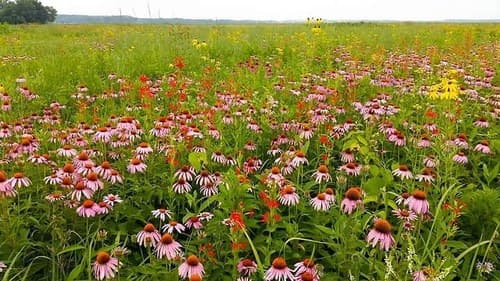 (c) Austin, some rights reserved (CC BY-NC)Purple coneflowerEchinacea purpureaBumble bees, sweat bees, and butterflies work the disk florets all summer; silvery checkerspot caterpillars eat the leaves. From September to March the seed heads are goldfinch feeders, and the standing stems shelter overwintering insects.
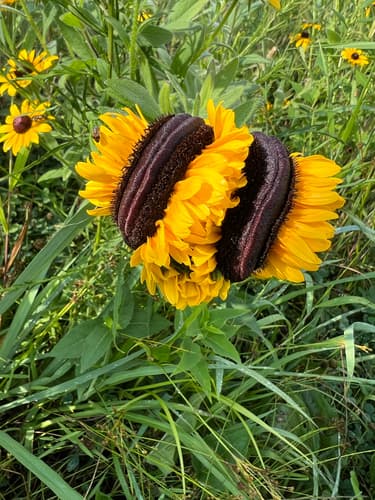 (c) Alex McF., some rights reserved (CC BY-NC)Black-eyed SusanRudbeckia hirtaIts open flowers suit short-tongued bees, hover flies, and small butterflies; silvery checkerspot and wavy-lined emerald caterpillars eat the leaves; goldfinches strip the seed heads in fall.
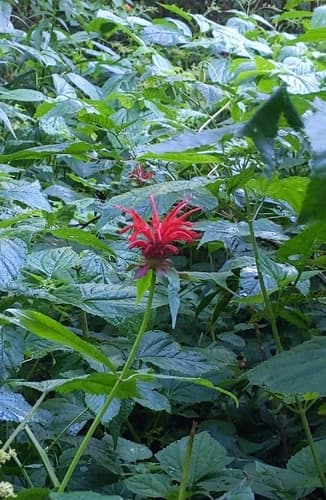 no rights reservedScarlet bee balmMonarda didymaThe top hummingbird plant in Northeast gardens: the tubular scarlet flowers are shaped for their bills. Bumble bees, hummingbird clearwing moths, and swallowtails also work it, and a specialist bee, Dufourea monardae, collects only Monarda pollen.
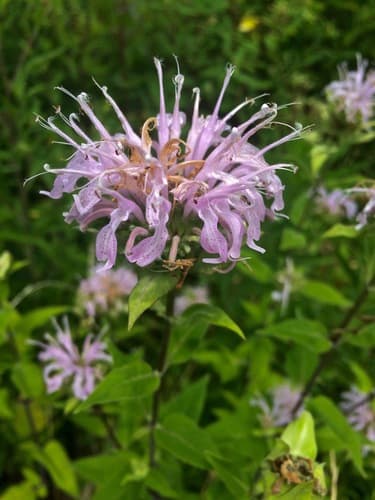 (c) Denise Wight, some rights reserved (CC BY-NC)Wild bergamotMonarda fistulosaLong-tongued bumble bees, hummingbird moths, and butterflies crowd it in July; hummingbirds visit; two specialist bees depend on it; and the seed heads feed sparrows in winter.
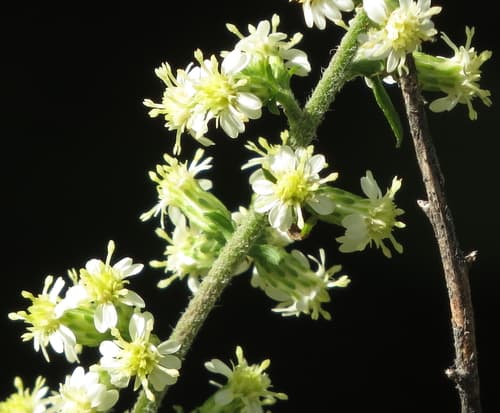 (c) cgbb2004, some rights reserved (CC BY-NC)Goldenrods (showy, stiff, wrinkleleaf)Solidago speciosa, S. rigida, S. rugosaGoldenrods host more than 100 species of caterpillars in the Northeast, feed at least 11 specialist bees that collect only goldenrod pollen, and fuel monarchs on migration. Goldenrod gall flies, soldier beetles, locust borers, ambush bugs, and crab spiders live on them; chickadees and downy woodpeckers open the galls in winter.
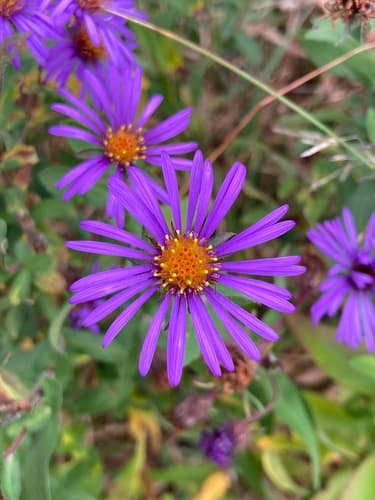 (c) er-birds, some rights reserved (CC BY)New England asterSymphyotrichum novae-angliaeIts purple flowers pair with goldenrod to fuel the monarch migration and feed the last bumble bee queens before they hibernate. Pearl crescent caterpillars eat the leaves, and a dozen specialist bees collect aster pollen.
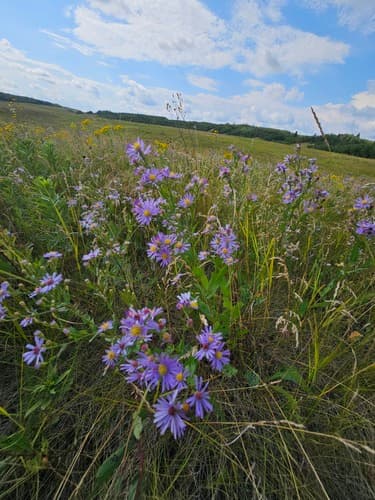 (c) Thilina Hettiarachchi, some rights reserved (CC BY-NC)Smooth blue asterSymphyotrichum laeveSmall bees, hover flies, and late butterflies swarm the sky-blue flowers in October; pearl crescent caterpillars use the foliage.
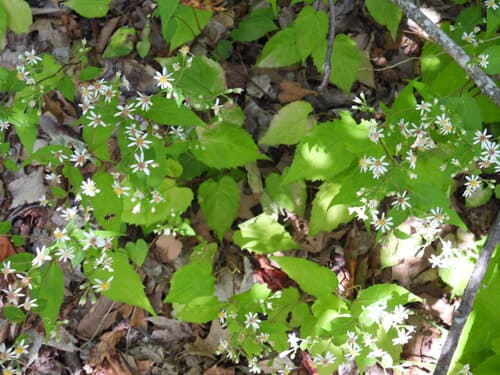 (c) Michael John Oldham, some rights reserved (CC BY-NC)White wood asterEurybia divaricataA crucial late nectar source for woodland bees, hover flies, and butterflies in shade where little else flowers; several moths use it as a host.
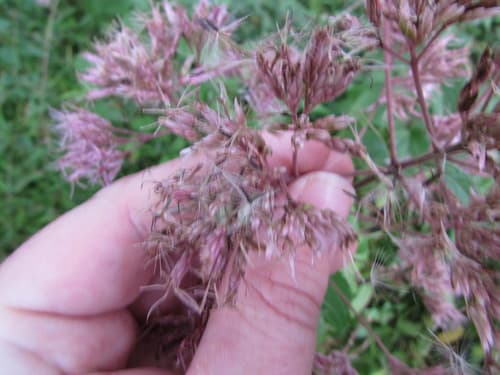 (c) Chris Hoess, some rights reserved (CC BY-SA)Joe Pye weedEutrochium dubium / E. purpureumTiger swallowtails, monarchs, great spangled fritillaries, and bumble bees cover the flower heads in August; the leaves host several moth caterpillars; and the seed heads feed birds through winter.
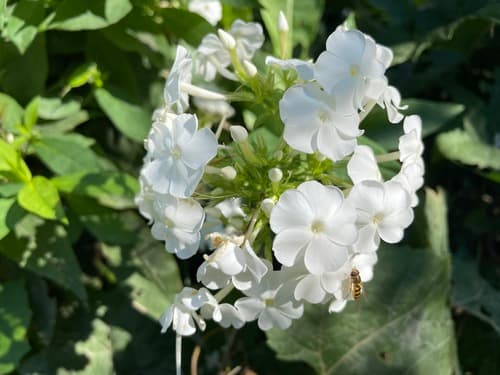 (c) Tom Scavo, some rights reserved (CC BY)Garden phloxPhlox paniculataThe long-tubed flowers are built for swallowtails, hummingbirds, and hawk moths, which pollinate it at dusk drawn by its fragrance. Several moths, including the phlox moth, use it as a host.
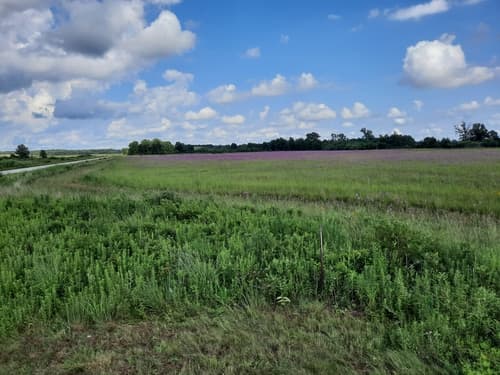 (c) Dennis W. Nyberg, some rights reserved (CC BY-NC)Dense blazing starLiatris spicataMonarchs, swallowtails, and fritillaries cover it in August, and it is one of the best plants for attracting butterflies to a small garden. Bumble bees and skippers work it too, and goldfinches eat the seed.
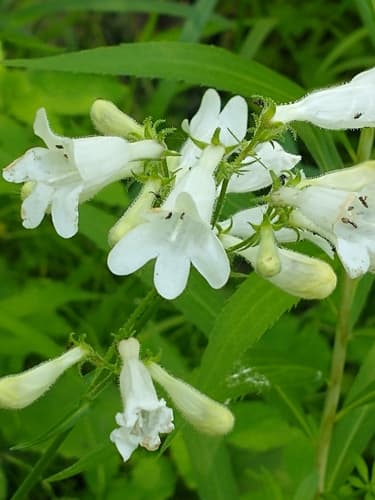 (c) Tom Norton, some rights reserved (CC BY)Foxglove beardtonguePenstemon digitalisThe white tubes are sized for bumble bees, mason bees, and hummingbirds in late May and June, a lean time between spring and summer bloom. Several specialist bees collect penstemon pollen.
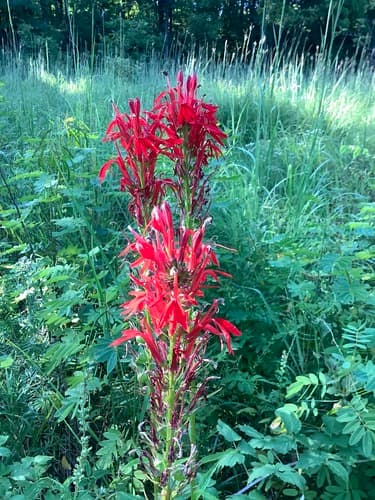 no rights reservedCardinal flowerLobelia cardinalisPollinated almost exclusively by ruby-throated hummingbirds, whose foreheads pick up pollen from the flower's overhead anthers. Swallowtails visit too but rarely pollinate.
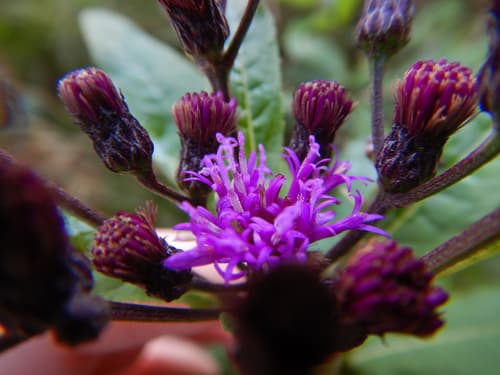 (c) augochlora, some rights reserved (CC BY-NC)New York ironweedVernonia noveboracensisA butterfly magnet in August: monarchs, swallowtails, and skippers cover the magenta heads, and it hosts several moth caterpillars. Its late seed feeds finches.
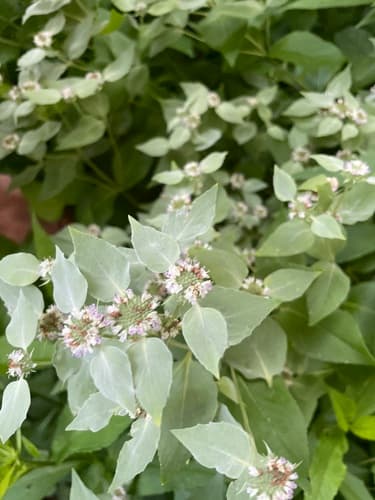 (c) patpacheco, some rights reserved (CC BY-NC)Clustered mountain mintPycnanthemum muticumIn the Mt. Cuba Center pollinator trials, clustered mountain mint attracted more insect species and individuals than any other plant tested: bees, wasps, flies, beetles, and butterflies by the hundreds. The predatory wasps it draws control garden caterpillars.
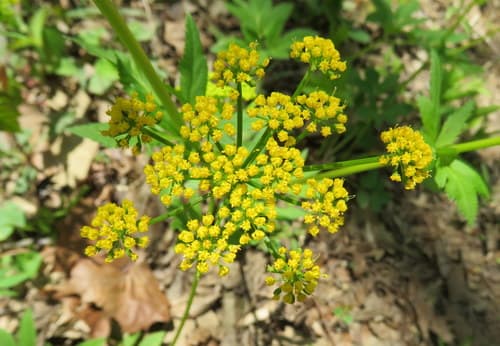 (c) peggyo, some rights reserved (CC BY-NC)Golden AlexandersZizia aureaHost plant for black swallowtail caterpillars, which prefer it to garden parsley. Its flat May umbels feed small bees, hover flies, and beneficial wasps when little else is open.
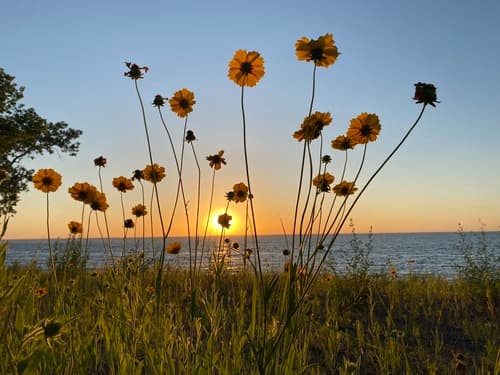 (c) Cristy Doughty, some rights reserved (CC BY-NC)Lanceleaf coreopsisCoreopsis lanceolataSmall bees, hover flies, and butterflies work the yellow daisies in early summer; goldfinches eat the seed.
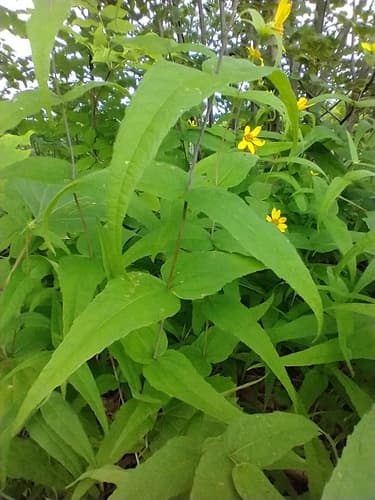 (c) Tom Norton, some rights reserved (CC BY)Woodland sunflowerHelianthus divaricatusSunflowers host about 70 caterpillar species in the Northeast, including silvery checkerspot and painted lady, and several specialist bees collect only sunflower pollen. Goldfinches and chickadees eat the seed.
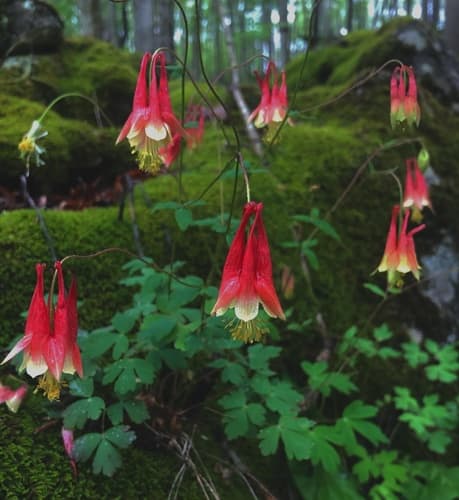 (c) madbeck, some rights reserved (CC BY-NC)Wild red columbineAquilegia canadensisIts April bloom is timed to the return of ruby-throated hummingbirds, which are its main pollinators. Long-tongued bumble bees also visit, and the columbine duskywing skipper eats only columbine.
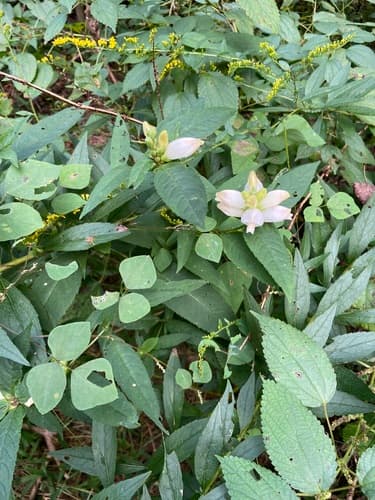 (c) Janet Novak, some rights reserved (CC BY-NC)White turtleheadChelone glabraThe sole host plant for the Baltimore checkerspot, Maryland's state butterfly, whose caterpillars overwinter in webs on it. Bumble bees force their way into the closed flowers, one of the best sights of late summer.
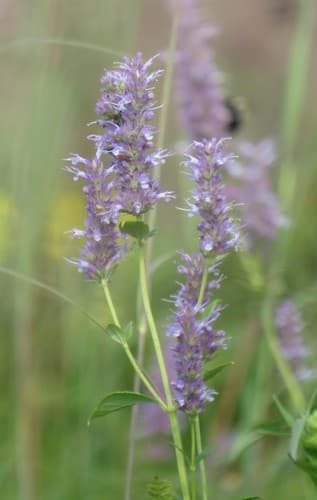 (c) Marilynn Miller, some rights reserved (CC BY)Anise hyssopAgastache foeniculumHoney bees, bumble bees, and small native bees mob it from July to frost, and it is among the top honey plants; goldfinches eat the seed in fall.
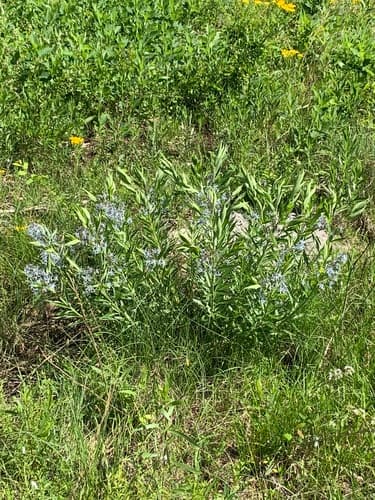 (c) ThePrairiePreacher, some rights reserved (CC BY-NC)Eastern bluestarAmsonia tabernaemontanaEarly butterflies, especially hummingbird moths and swallowtails, nectar on the spring flowers; the milky sap deters deer.
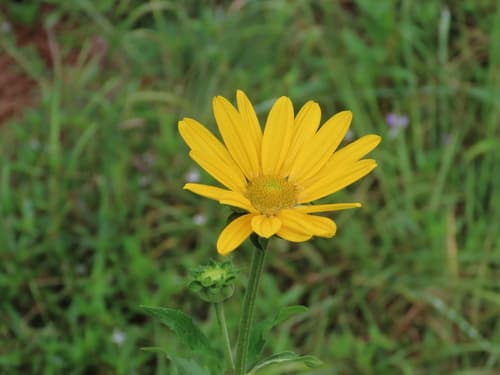 (c) Chuck Cantley, some rights reserved (CC BY-NC)False sunflower (oxeye)Heliopsis helianthoidesBees and butterflies through a three-month bloom; caterpillars of several moths; goldfinch seed in fall.
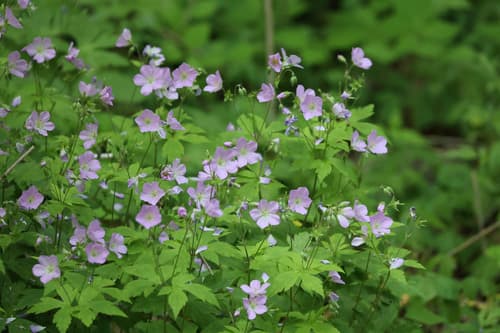 no rights reservedWild geraniumGeranium maculatumMining bees, mason bees, and bumble bee queens rely on its May bloom; it hosts several moth species; and chipmunks and birds eat the seeds it flings.
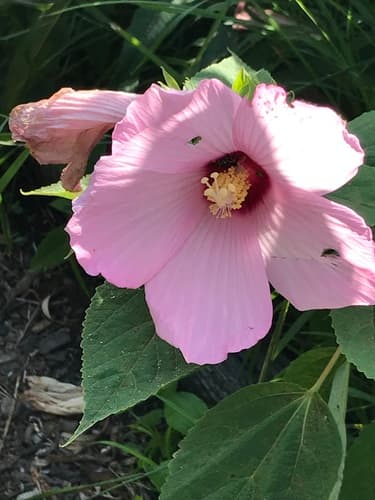 (c) Joe Rowlett, some rights reserved (CC BY-NC)Swamp rose mallowHibiscus moscheutosThe rose mallow bee, Ptilothrix bombiformis, collects only hibiscus pollen and nests in hard-packed soil nearby. Hummingbirds visit, and it hosts several moths including the io moth.
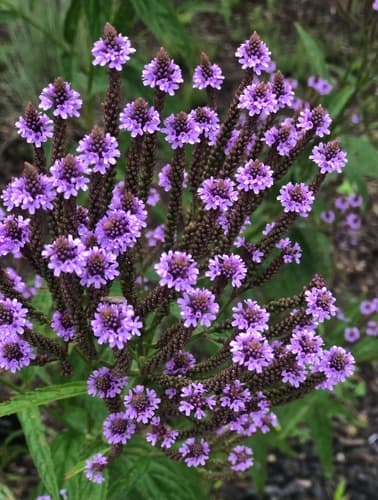 (c) keisterdan, some rights reserved (CC BY-NC)Blue vervainVerbena hastataSmall bees and specialist verbena bees work the tiny flowers as they open in rings up the spikes over many weeks; it hosts the common buckeye butterfly; sparrows and juncos eat the seed.
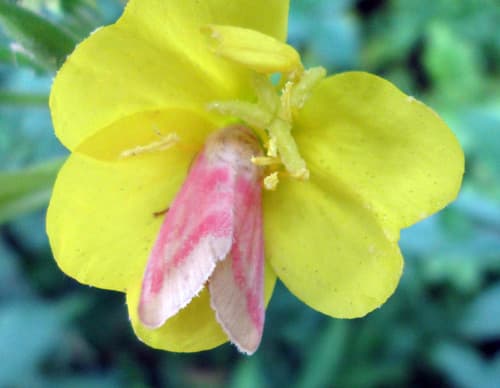 (c) joannerusso, some rights reserved (CC BY-NC)Common evening primroseOenothera biennisFlowers open at dusk in a few seconds, which you can watch, for sphinx moths and the specialist evening primrose bee; goldfinches strip the seed capsules all winter; primrose moth caterpillars eat the buds.
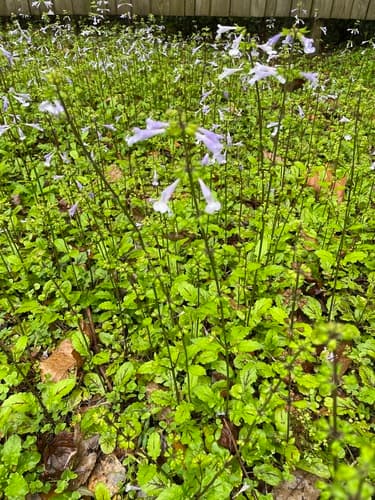 (c) shari203, some rights reserved (CC BY-NC)Lyreleaf sageSalvia lyrataBumble bees and hummingbirds visit the lavender-blue spring spikes; it hosts several moths.
Grasses
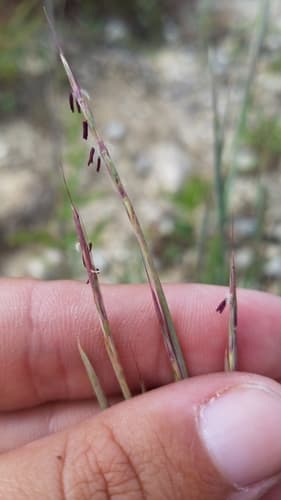 (c) cassi saari, some rights reserved (CC BY-NC)Little bluestemSchizachyrium scopariumHost plant for at least nine skipper butterflies, including Leonard's and cobweb skippers. Its fluffy seeds feed sparrows, juncos, and finches all winter, and its clumps shelter ground-nesting bees and overwintering insects.
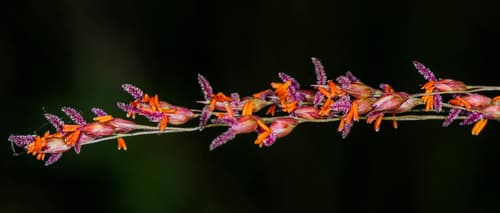 (c) cassi saari, some rights reserved (CC BY-NC)SwitchgrassPanicum virgatumHost plant for several skippers; cover for ground-nesting birds; winter seed for sparrows and juncos. Its dense clumps are where many beneficial insects overwinter.
Ground covers
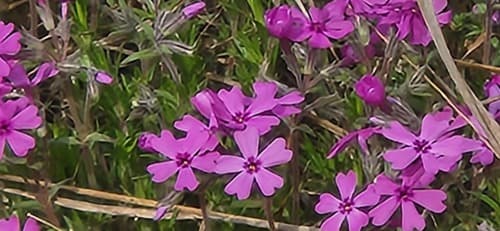 (c) Matt Wileyto, some rights reserved (CC BY-NC)Moss phloxPhlox subulataIts April bloom feeds the first butterflies of the year, including spring azures and early swallowtails, and queen bumble bees just out of hibernation.
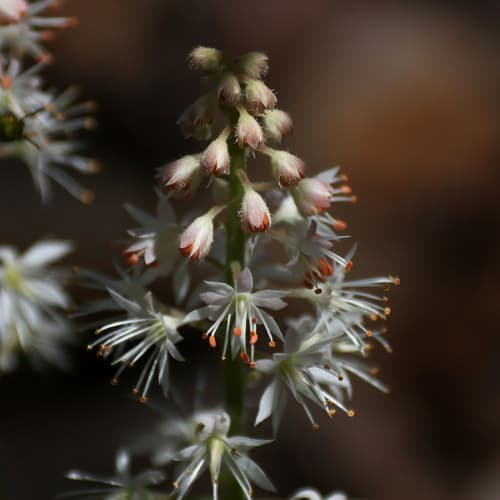 (c) Tom Fishburn, some rights reserved (CC BY-NC)FoamflowerTiarella cordifoliaSmall native bees and hover flies work the April flowers; the foliage shelters ground beetles and salamanders.
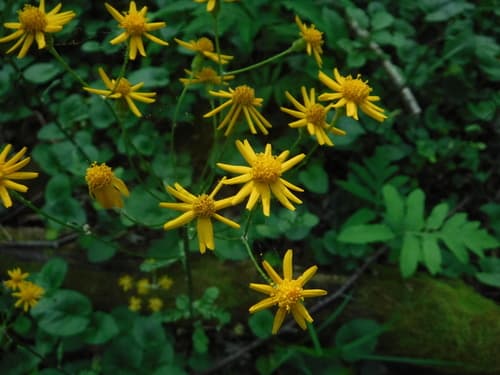 (c) jsep1, some rights reserved (CC BY-NC)Golden ragwortPackera aureaOne of the earliest nectar sources for small bees and flies; several moth caterpillars eat it; the fluffy seed feeds finches.
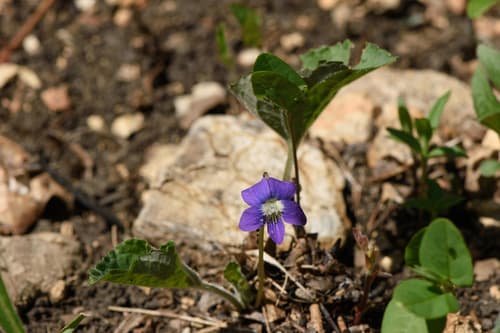 (c) Aidan Campos, some rights reserved (CC BY-NC)Common blue violetViola sororiaThe sole host plants of the great spangled fritillary and other fritillary butterflies, whose caterpillars feed at night on violet leaves. Mining bees pollinate the spring flowers; a specialist bee, Andrena violae, depends on them.
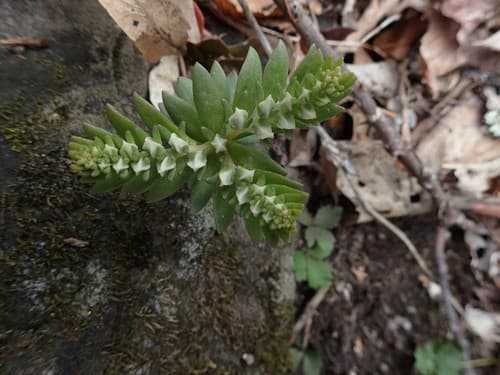 (c) Evan M. Raskin, some rights reserved (CC BY)Woodland stonecropSedum ternatumThe starry white April flowers feed small native bees and hover flies; the succulent mats shelter tiny invertebrates.
Shrubs
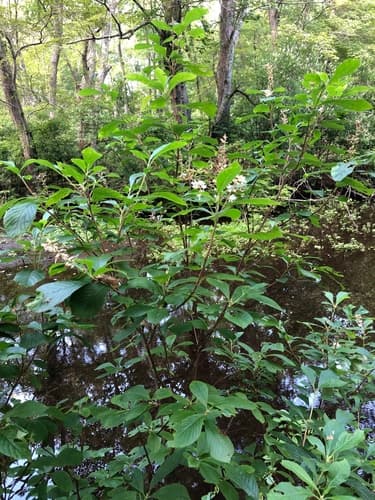 (c) danbotany87, some rights reserved (CC BY-NC)Sweet pepperbush (summersweet)Clethra alnifoliaBees, especially bumble bees, hum audibly in a flowering pepperbush, and swallowtails and hummingbirds visit. The seed capsules feed birds and small mammals.
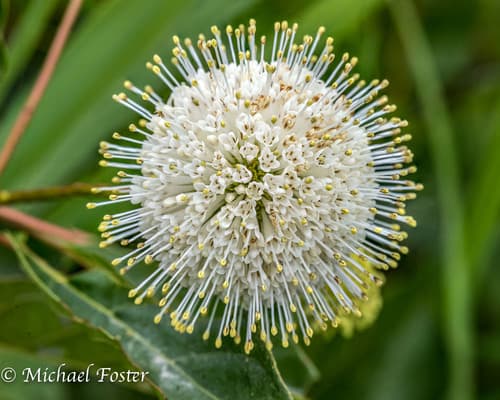 (c) mfostervt, some rights reserved (CC BY-NC)ButtonbushCephalanthus occidentalisIts nectar-rich spheres draw swallowtails, monarchs, skippers, bees, and hummingbirds in July; the seed balls feed ducks and shorebirds; and it hosts several sphinx moths.
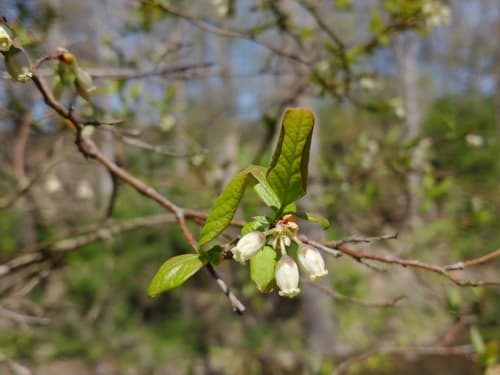 (c) Nate Hartley, some rights reserved (CC BY-NC)Highbush blueberryVaccinium corymbosumThe spring bells feed bumble bee queens and the southeastern blueberry bee, a specialist that buzz-pollinates them. It hosts more than 280 caterpillar species, and dozens of birds, from thrushes to towhees, eat the fruit.
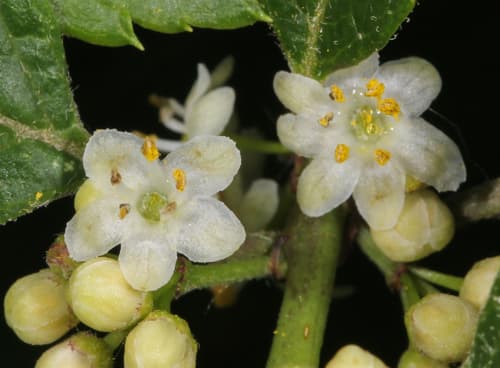 (c) cassi saari, some rights reserved (CC BY-NC)Winterberry hollyIlex verticillataIts tiny June flowers feed small bees; its berries persist into winter and feed robins, bluebirds, cedar waxwings, mockingbirds, and more than 40 other bird species when little else is left.
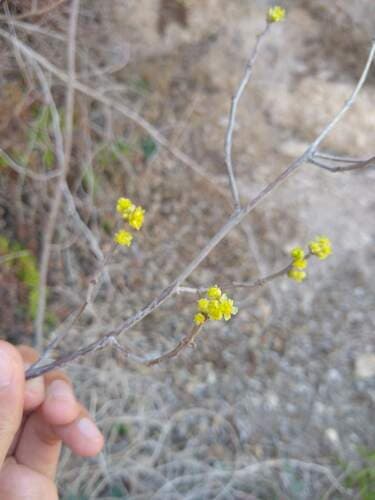 (c) Arnan Pawawongsak, some rights reserved (CC BY-NC)Northern spicebushLindera benzoinThe spicebush swallowtail caterpillar, which mimics a snake with its false eyespots, eats only spicebush and sassafras. The promethea moth uses it too. Its fat-rich red berries fuel thrushes, catbirds, and vireos on fall migration.
Trees
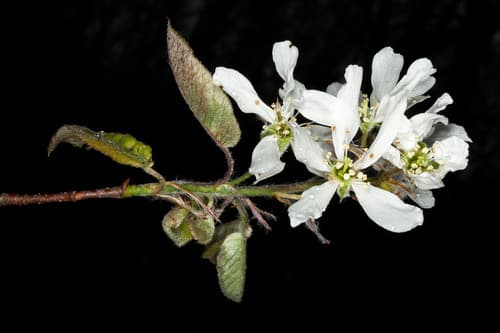 (c) Steve Waller, some rights reserved (CC BY-NC)Serviceberry (shadbush)Amelanchier canadensisApril flowers feed early bees; June fruit is stripped by robins, cedar waxwings, orioles, and thrushes within days; and it hosts red-spotted purple and viceroy caterpillars.
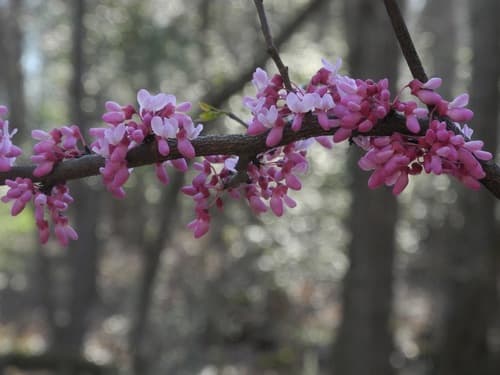 (c) Michael J. Papay, some rights reserved (CC BY)Eastern redbudCercis canadensisThe early flowers are a lifeline for emerging bumble bee queens, mason bees, and leafcutter bees, which cut its round leaves for nest lining; Henry's elfin butterfly caterpillars eat the buds and pods.
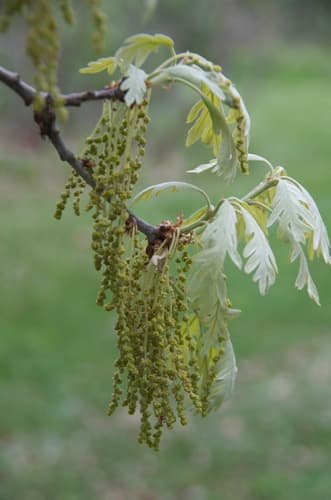 (c) kjsytsma, some rights reserved (CC BY-NC)White oakQuercus albaOaks host more caterpillar species than any other plant in North America, well over 500 in the Northeast, which is what feeds nesting warblers, chickadees, and vireos. The acorns feed deer, turkeys, blue jays, wood ducks, and squirrels, and the bark shelters countless insects and bats.
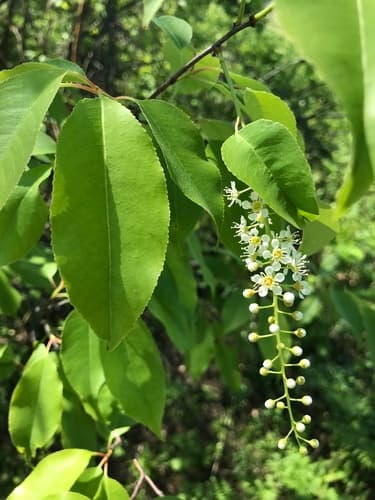 (c) Sarah Martinez, some rights reserved (CC BY-NC)Black cherryPrunus serotinaA keystone tree hosting more than 400 caterpillar species, including eastern tiger swallowtails, red-spotted purples, and giant silk moths like the cecropia. Its May flowers feed bees; its August fruit feeds more than 30 bird species and the foxes and raccoons that spread its pits.