native plants · where to buy · Long Island
Where to Buy Native Plants on Long Island
Straight species, local ecotype, and where to actually buy them: verified Long Island native plant nurseries and plant sales, mail-order sources that ship Northeast ecotypes, and the questions to ask before you buy.
By Aidan and Ben Ellis · Published September 28, 2026 · 7 min read
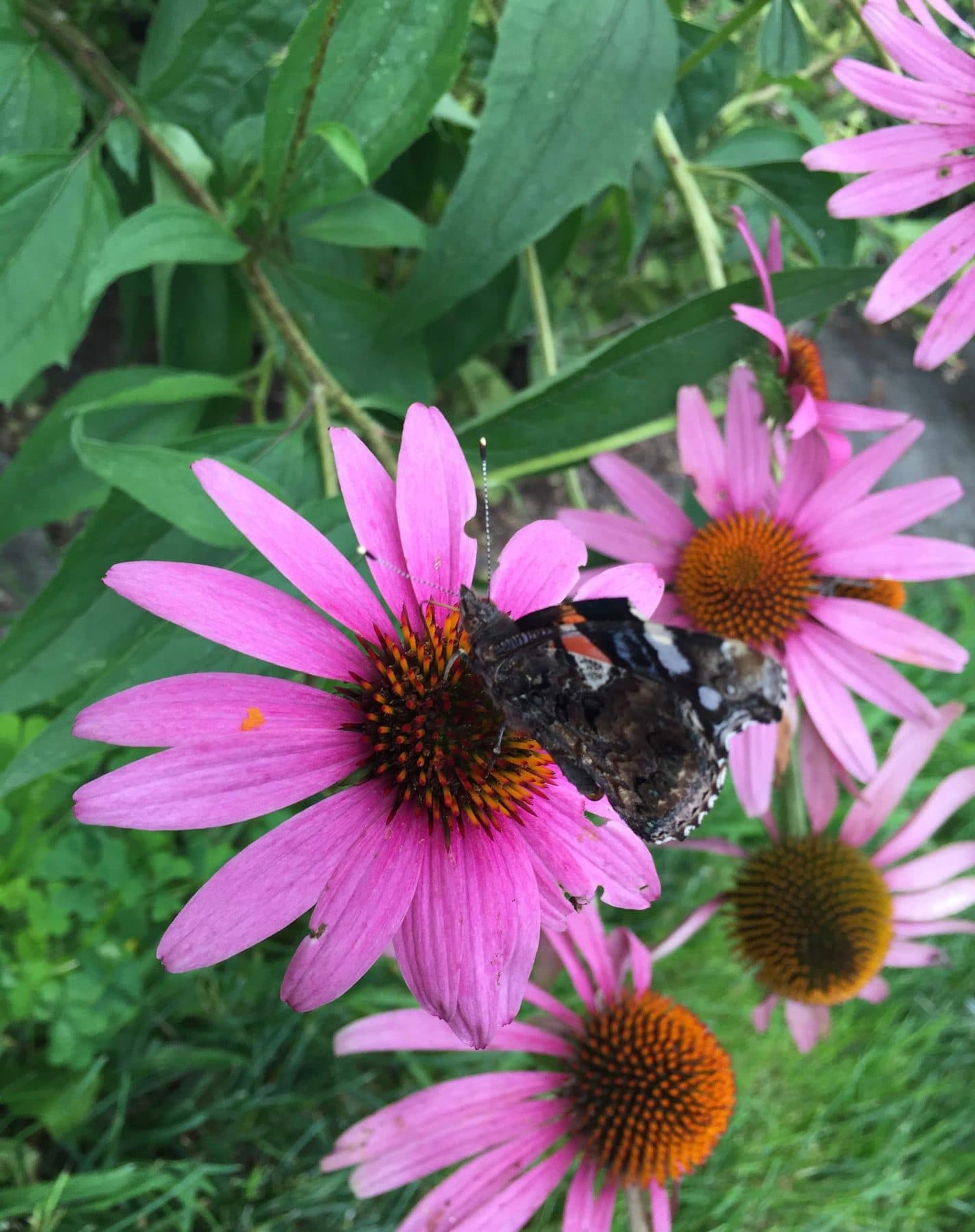
Long Island has a small but real number of nurseries that grow local native plants, plus a nonprofit that grows them from Long Island seed, plus a couple of seasonal plant sales. None of them are hard to find once you know to look past the big-box garden center. Here is what "native" actually means when you are shopping, and where to buy it.
What "straight species" means
A straight species is the plant as it evolved, not a cultivar bred or selected for a new flower color, leaf color, or size. You can spot a cultivar by the name in single quotes after the botanical name, like Echinacea purpurea 'Magnus'. Straight species keep the flower shape, bloom time, and chemistry that local insects evolved to use. See our guide to native plants vs. hybrids and cultivars for what changes when a plant is bred.
What "local ecotype" means, and why it can matter more than "native"
A plant can be a straight native species and still be the wrong native for here. Purple coneflower grown from seed collected in Nebraska is genetically a coneflower, but it flowers on a Midwest calendar, bred for Midwest conditions. A local ecotype plant was grown from seed collected from wild populations on or near Long Island. It blooms on our schedule, tolerates our sandy soil and salt air, and does not dilute a nearby wild population's genetics if it cross-pollinates with one. For milkweed, goldenrod, and other plants that support monarchs and specialist bees, ecotype can matter almost as much as species.
Most retail nurseries sell regional native stock, not Long Island ecotype specifically, and that is still a real improvement over a non-native cultivar. If ecotype matters for your project, especially anything planted near a preserve or shoreline, the Long Island Native Plant Initiative below is the source to use.
Where to buy on Long Island
| Source | Town | What they sell | When |
|---|---|---|---|
| Dropseed Native Landscapes | Malverne | Retail. Hundreds of species of potted native, ecotypic, edible, and rare Long Island-region plants, plus mail-order plugs. | Seasonal hours, roughly Thursday to Sunday; check ahead |
| Long Island Natives | Eastport | Wholesale. Over 200 species of native trees, shrubs, grasses, and perennials, straight species only, grown on a 50-acre farm. Visits by appointment. | Monday to Friday, by appointment |
| North Creek Nurseries | Ships to garden centers (wholesale) | A large wholesale propagator of native perennials and grasses. Ask a local garden center to order from them if they do not stock what you want. | Year-round through retailers |
| Long Island Native Plant Initiative (LINPI) | Brentwood | Nonprofit nursery growing more than 70 species of plants from Long Island genetic stock: plugs and larger pots, plus native seed through its Northeast Seed Collective partnership. Retail and wholesale, tax-exempt forms accepted. | Nursery open Tue, Thu, Fri, Sat, 10 am to 2 pm; larger public sales in spring and fall |
| Cornell Cooperative Extension Suffolk County | Riverhead (pickup at the Suffolk County Farm) | A short annual list of native plants, sold below retail through the Master Gardener Plant Sale alongside general nursery stock. Order ahead; quantities are limited. | Pre-order by April 1, pickup in early May |
Call or check the website before you drive out. Hours and stock change with the season, and two of these are appointment-only or wholesale.
Mail order: Northeast ecotype sources
If nobody nearby has what you need, three mail-order sources reliably ship Northeast-appropriate straight species:
- Prairie Moon Nursery ships seed and potted native plants (3-packs, bare roots) from a Minnesota grower that carries over 700 species ranging from the upper Midwest into the Northeast, with clear germination codes for cold stratification.
- Izel Native Plants is an online marketplace, not a grower itself, that pools inventory from wholesale native nurseries around the country. Filter by state to find plants native to New York, mostly sold as inexpensive plugs, with free shipping.
- Ernst Seeds (Ernst Conservation Seeds, Meadville, PA) is the largest native seed producer in the eastern U.S. and sells straight-species seed and Northeast wildflower and grass mixes by the packet or the pound.
Questions to ask before you buy
Whoever you buy from, ask:
- Is this the straight species, or a cultivar? If it is a cultivar, what trait was it selected for, and does it keep the natural flower shape? Doubles and dark-leaved selections feed the fewest insects.
- Was it treated with neonicotinoid insecticides? Systemic neonicotinoids move into pollen and nectar and can persist for months. A grower who does not use them will usually say so without being asked twice.
- Where did the seed or stock come from? Long Island or regional Northeast provenance is worth asking for by name, especially for milkweed and goldenrod.
- Is it actually native to Long Island, or just "native to North America"? A plant native to the Rockies is not native here. Check it against our Native Plant Finder or the natives we recommend.
- Was it propagated from seed or cuttings, not dug from the wild? A responsible native nursery never wild-collects plants to sell.
Where to go from here
Browse the native plants we recommend for Long Island, filter by sun and moisture with the Native Plant Finder, and see more organizations and plant lists on our Resources page.
Written by Aidan and Ben Ellis of Pollinate Happiness, Long Island, NY. Found an error? Let us know.