North American native
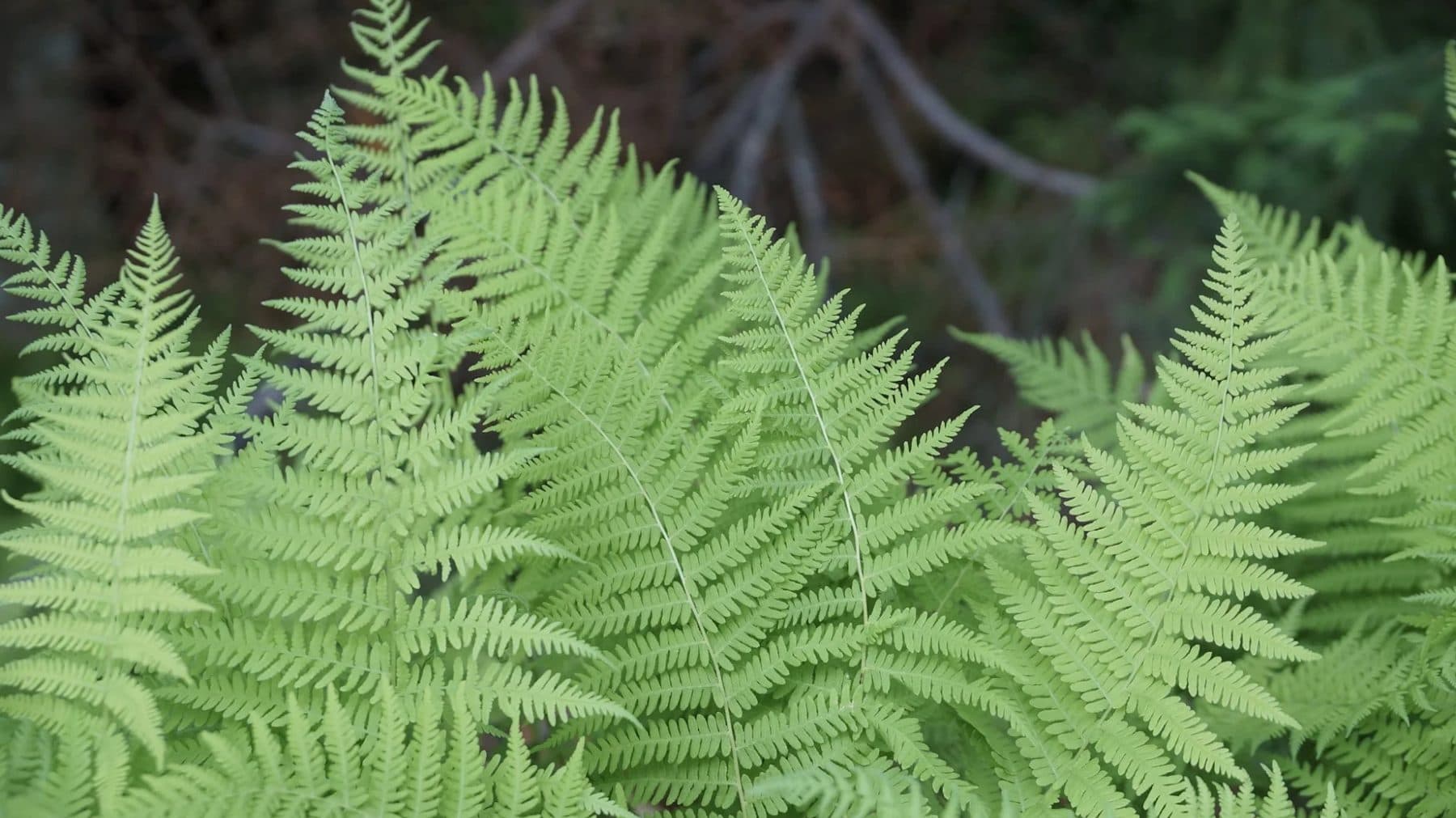
Fern
Polypodiopsida
Lush, cool green texture and fronds that invite touch. The sensory planter's shade and touch plant.
JanGrown for foliageDec
Monarda didyma
Lamiaceae (mint family)
Shaggy scarlet flowers that hummingbirds cannot resist, on a fragrant plant you can make tea from.
Bloom calendar
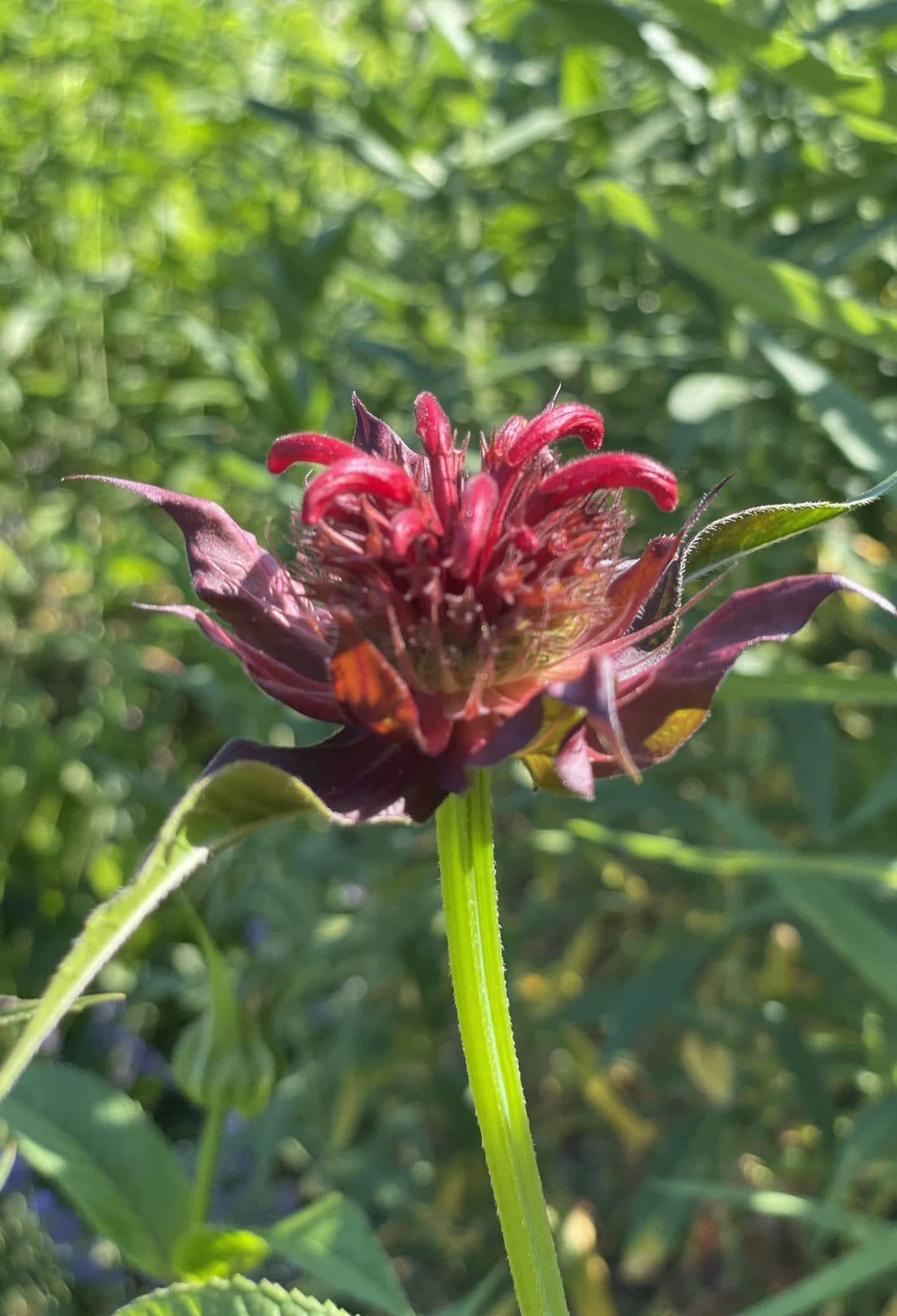
Bee balm, also known as Monarda, is a captivating flowering plant that holds immense value for pollinators and gardening enthusiasts alike. This native perennial boasts vibrant, showy flowers in shades of red, pink, purple, and white, which serve as magnets for bees, butterflies, and hummingbirds.
Beyond its visual appeal, bee balm has a refreshing aroma. Its nectar-rich blooms provide a vital food source for pollinators, while its fragrant leaves can be used for herbal teas and culinary purposes. Easy to grow and maintain, bee balm thrives in sunny locations with well-drained soil.
By incorporating bee balm into your garden, you not only enhance its beauty but also create a haven for pollinators and indulge in the wonders of nature.
A note on origin: scarlet bee balm grows wild in the Appalachians and upstate New York, not on Long Island, where it is a garden plant that sometimes escapes. Its lavender cousin wild bergamot (Monarda fistulosa) is the Monarda you will find growing wild here, and it feeds the same bees and hummingbird moths.
More plants
Polypodiopsida
Lush, cool green texture and fronds that invite touch. The sensory planter's shade and touch plant.
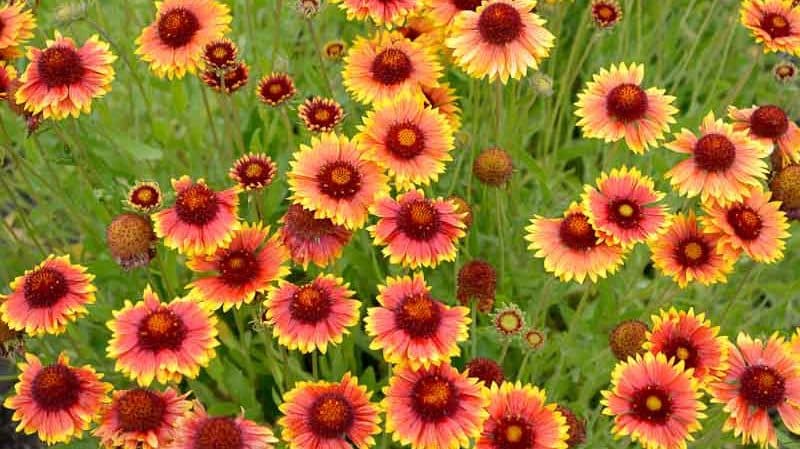
Gaillardia spp.
Fiery red-and-yellow daisies that bloom for months and pull in butterflies.
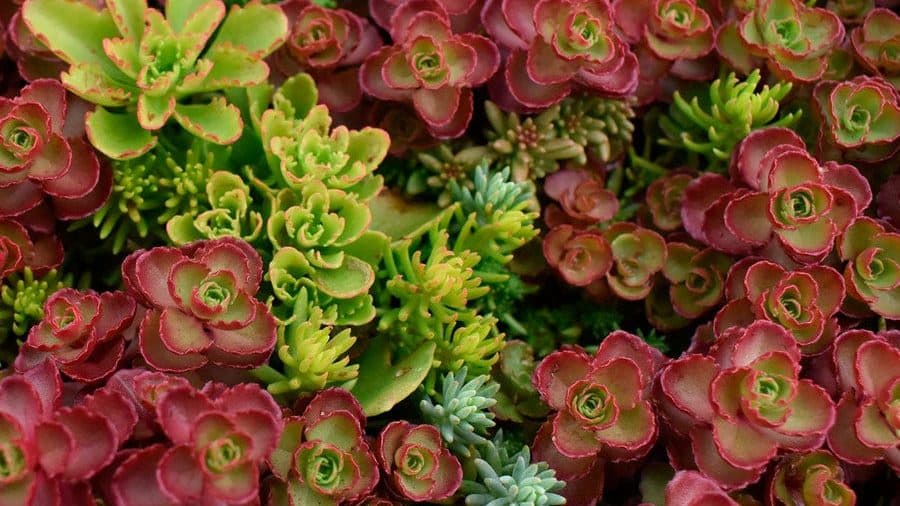
Sedum / Hylotelephium spp.
Thick, smooth succulent leaves and late-season flower clusters that bees and butterflies crowd onto in fall.