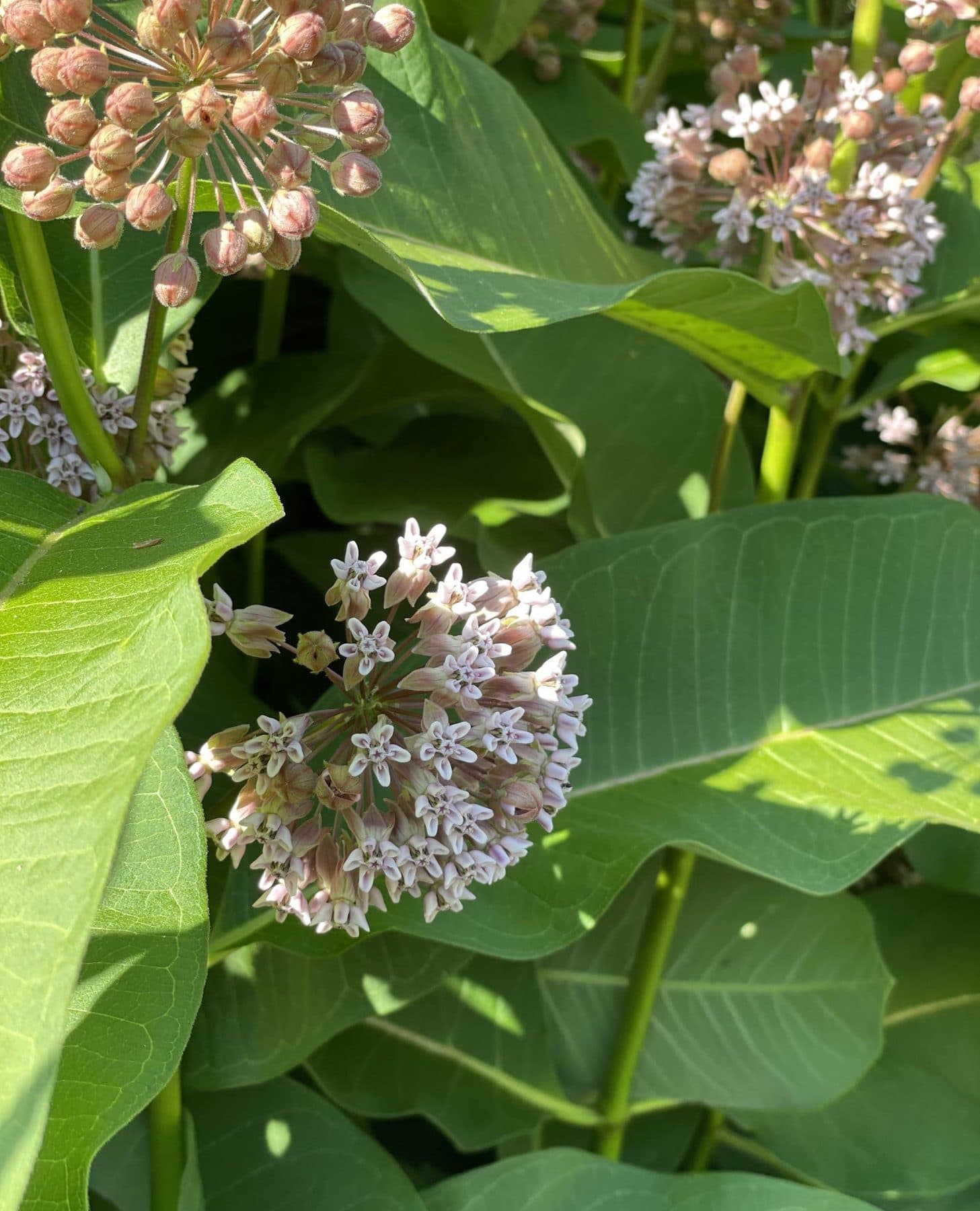
Native to Long Island
Common Milkweed
Asclepias syriaca
Monarch caterpillars eat only milkweeds, and this is the classic one. No milkweed, no monarchs.
JanBlooms Jun–AugDec
Echinacea purpurea
Asteraceae (aster family)
The workhorse of the pollinator garden: months of nectar for bees and butterflies, then seed heads that feed goldfinches all winter.
Bloom calendar
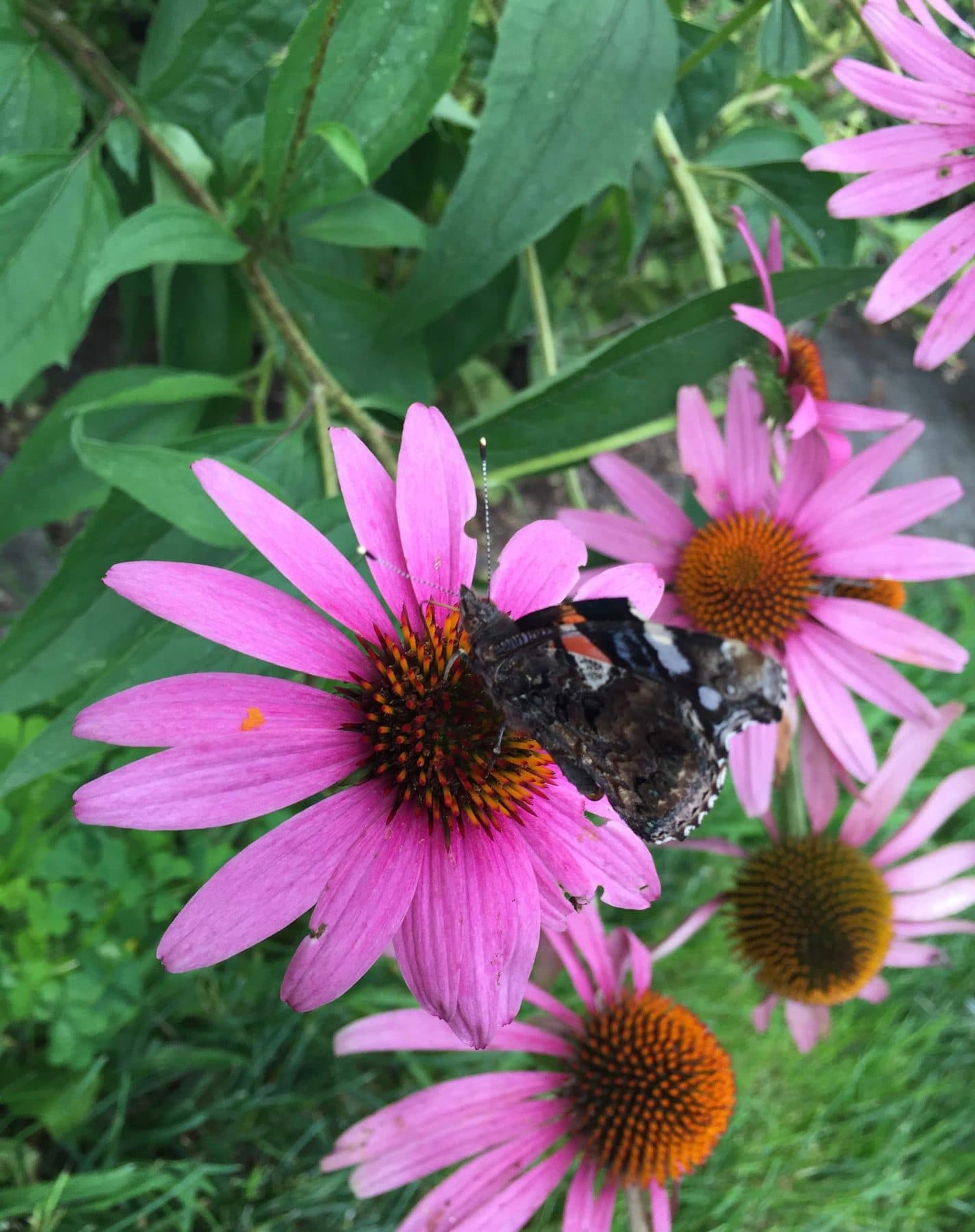
Coneflowers, also known as Echinacea, are vibrant and popular perennial plants native to Long Island, New York. They feature cone-shaped centers surrounded by colorful petals, attracting bees and butterflies. These plants bloom from early summer to fall, providing a splash of color in gardens.
Coneflowers are both visually appealing and important for native pollinators. They require little maintenance, thrive in well-drained soil, and can withstand Long Island's climate. By planting coneflowers, anyone can support local biodiversity and create a beautiful and beneficial habitat for pollinators on Long Island.
Leave the spent cones standing through winter. American goldfinches and other seed-eating birds work them over for months, and the dry stems shelter overwintering native bees.
More plants
Asclepias syriaca
Monarch caterpillars eat only milkweeds, and this is the classic one. No milkweed, no monarchs.
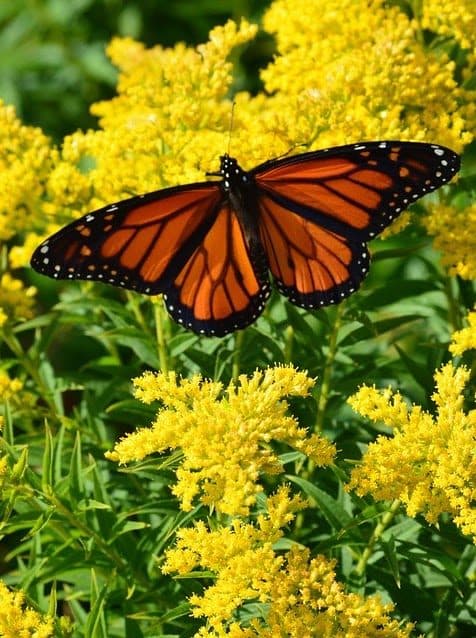
Solidago spp.
The most important late-season nectar source in the Northeast, and it does not cause hay fever.
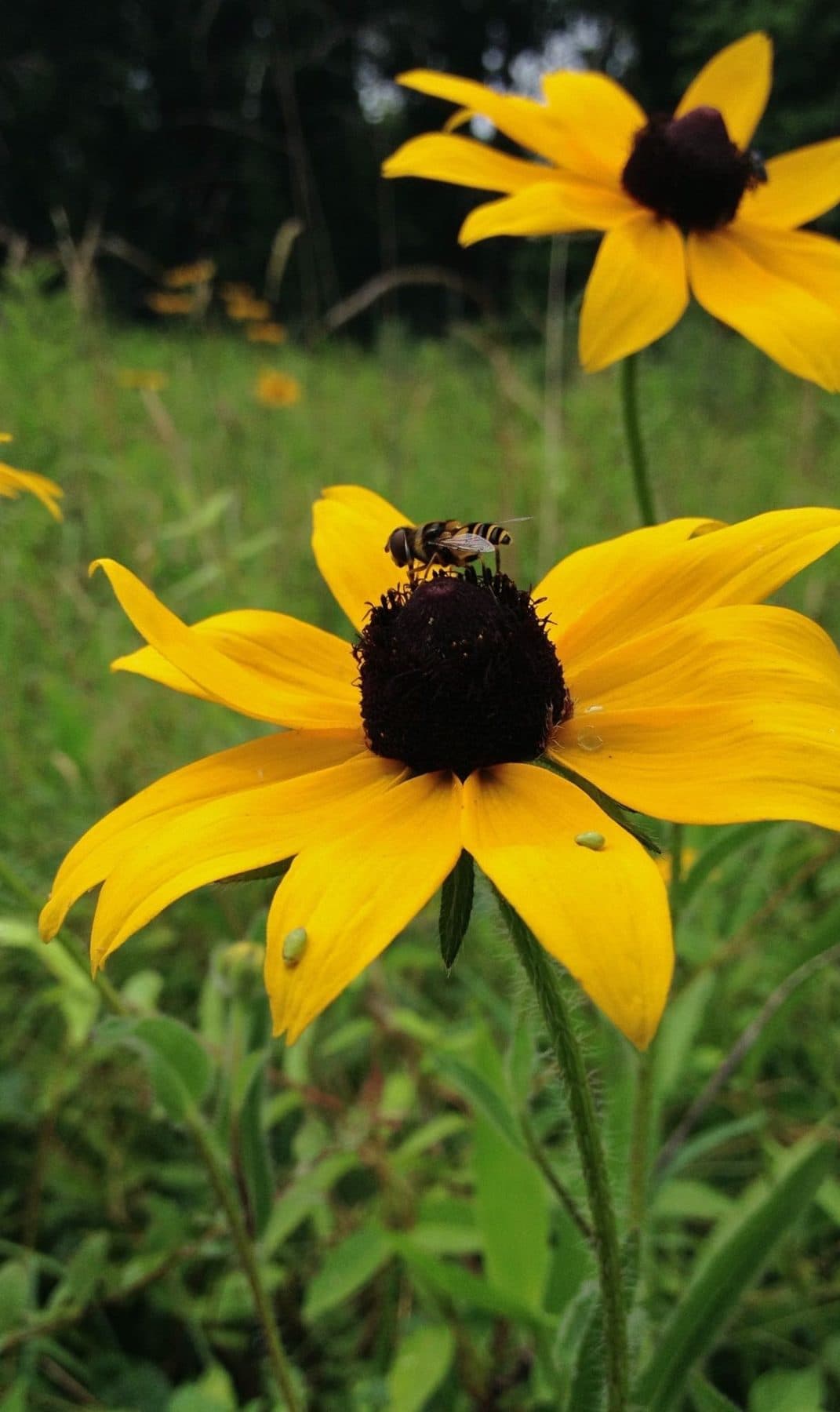
Rudbeckia hirta
Cheerful gold daisies that seed themselves around, feeding small bees and later the finches.
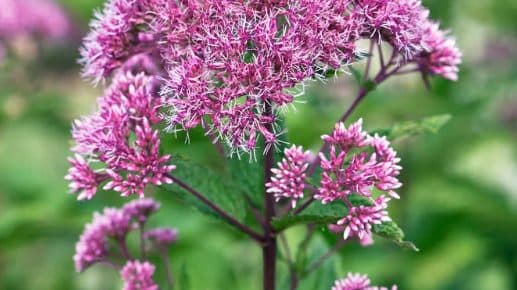
Eutrochium dubium
Dusty-pink domes in late summer that swallowtails and monarchs swarm. Ours is the compact 'Baby Joe' selection.