Where it came from
Japan and southeastern China.
How it got here
Displayed at the 1876 Philadelphia Centennial Exposition as an ornamental, then promoted from the 1930s by the Soil Conservation Service, which paid farmers to plant it for erosion control and forage. Around 85 million seedlings were distributed before the government reversed course in the 1950s.
What it does to the ecosystem
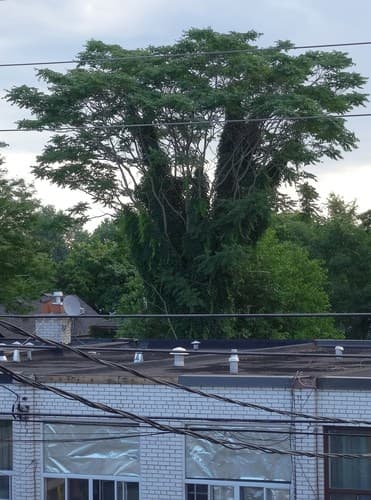
In the South it grows a foot a day, smothering trees, power poles, and buildings under vines. Its range has been creeping north; scattered patches now survive in New York City and on Long Island, and warmer winters help it.
What it costs
Estimated to cover millions of acres in the Southeast and to cost utilities and forest owners hundreds of millions of dollars a year. Every northern patch removed early is a bargain.
Don’t confuse it with
- Hog peanut and groundnut (native vines). Both have three-part leaves but are delicate, not hairy and rope-like, and they never climb over trees.
How to identify it
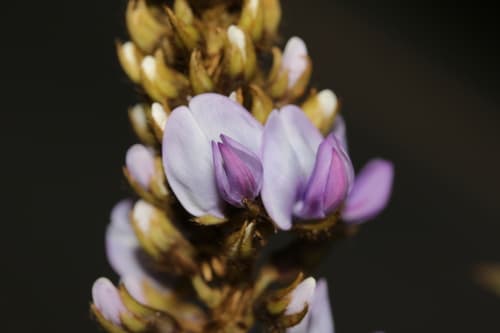
Hairy vines with large three-part leaves, purple grape-scented flowers in late summer, and a habit of draping over everything.
What to do
Report every sighting to iMapInvasives immediately. Repeated cutting and root-crown removal over years is required.
On Long Island
A handful of known patches, mostly in western Nassau and Queens. Any sighting should be reported to iMapInvasives immediately.
Worth knowing
- Kudzu roots can weigh 400 pounds and go 12 feet deep.
- The flowers smell strongly of grape soda.
- The kudzu bug, an Asian insect that eats it, arrived in Georgia in 2009 and is following it north.