Who it feeds
Early butterflies, especially hummingbird moths and swallowtails, nectar on the spring flowers; the milky sap deters deer.
What it does for the place
A long-lived, no-maintenance perennial that provides spring nectar, summer structure, and fall color in one plant.
The story
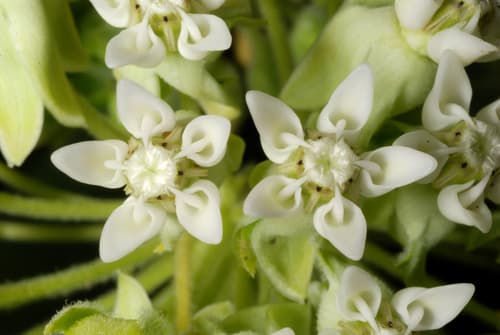
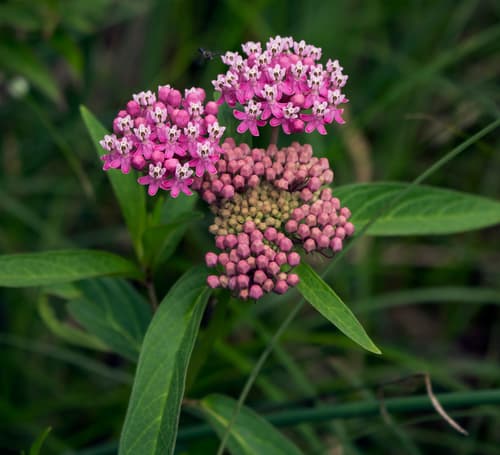
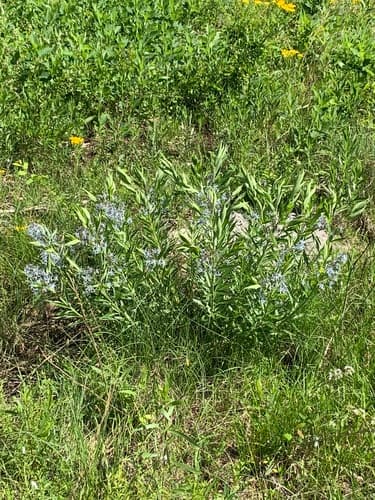
A southeastern native named for Charles Amson, an 18th-century Virginia physician, with steel-blue star flowers in May and willow-like foliage that turns gold in October. The Perennial Plant Association named a bluestar Plant of the Year in 2011.
Worth knowing
- Clumps live for decades and rarely need division.
- The seeds are odd corky cylinders.
- It is in the dogbane family, related to milkweed, and equally deer-proof.
Saving its seed
Ripe: Sep, Oct. Long slender pods turn brown; seeds are cylindrical corky pegs.
Collect: Split pods by hand.
Sow: Winter-sow outdoors (jugs or flats) any time after the first hard freeze. Needs about 60 days of cold-moist stratification. Nick or soak the corky seed 24 hours before stratifying.
Seed saving calendar for your zip code →