Who it feeds
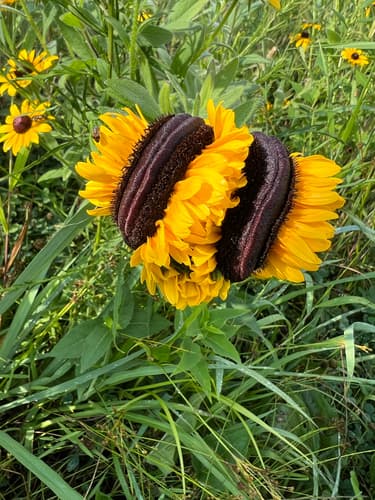
Its open flowers suit short-tongued bees, hover flies, and small butterflies; silvery checkerspot and wavy-lined emerald caterpillars eat the leaves; goldfinches strip the seed heads in fall.
Host plant for: Silvery checkerspot, wavy-lined emerald.
What it does for the place
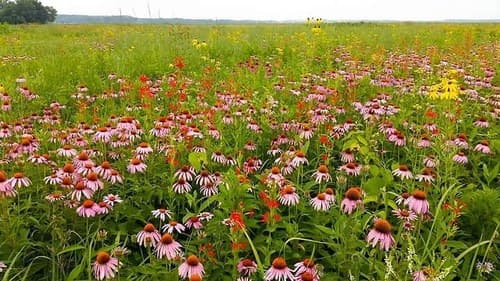
A pioneer that colonizes bare ground fast, holds it, and self-sows into any gap, making it the ideal filler while slower perennials establish.
The story
Named, by one story, for the Susan in an 18th-century ballad who searched the docks for her sailor, Sweet William, another flower. It is Maryland's state flower and the flower woven into the Preakness blanket, though those are usually chrysanthemums painted to match because the real thing blooms too late.
Worth knowing
- Technically a biennial or short-lived perennial, but it reseeds so freely it is effectively permanent.
- The Cherokee made a tea from the roots for colds.
- It was one of the first American wildflowers exported to European gardens, in the 1700s.
Saving its seed
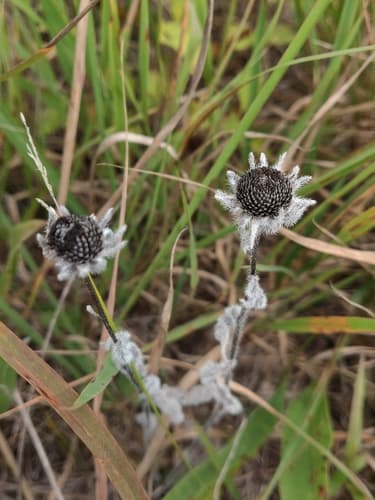
Ripe: Sep, Oct. Centers turn dark and dry; tiny black seeds shake loose.
Collect: Rub dry cones between palms over a bowl.
Sow: No pretreatment needed; sow in spring after frost or in fall. Surface sow; needs light. Cold improves germination but is optional.
Seed saving calendar for your zip code →