Who it feeds
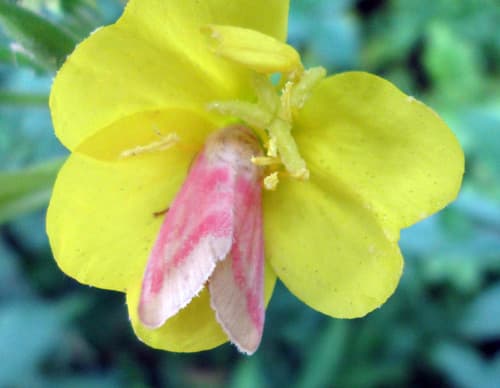
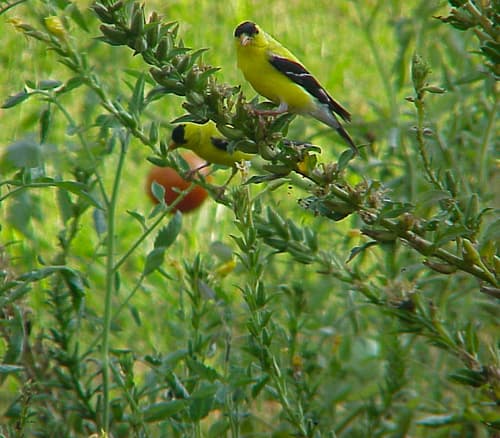
Flowers open at dusk in a few seconds, which you can watch, for sphinx moths and the specialist evening primrose bee; goldfinches strip the seed capsules all winter; primrose moth caterpillars eat the buds.
Host plant for: Primrose moth, white-lined sphinx.
What it does for the place
A pioneer of disturbed sandy ground that feeds a night shift of pollinators most gardens ignore.
The story
A native biennial whose seeds, rich in gamma-linolenic acid, became a global herbal supplement. Indigenous peoples ate the roots and used the plant medicinally; it was taken to Europe in 1614 and naturalized there.
Worth knowing
- The flowers glow in ultraviolet to guide moths.
- Sit by a plant at sunset and watch buds pop open one after another.
- The first-year rosette is edible; the root tastes like parsnip.
Saving its seed
Ripe: Sep, Oct, Nov. Woody capsules split from the top; seeds are tiny and angular.
Collect: Invert stems into a bag and shake.
Sow: No pretreatment needed; sow in spring after frost or in fall. Surface sow; needs light.
Seed saving calendar for your zip code →