Where it came from
Northeastern China, Korea, and Japan around the Amur River.
How it got here
Introduced to the United States around 1856 through the Arnold Arboretum and promoted as a tough, pest-free street tree in the 20th century. New York City parks and Long Island campuses planted it widely.
What it does to the ecosystem
Female trees drop enormous crops of black berries that birds spread into woodlands, where seedlings form dense stands. It grows faster than oaks and hickories in forest gaps and takes their place, changing the forest canopy for a century.
What it costs
Parks in New York City and on Long Island have found corktree seedlings dominating regeneration and have launched removal programs. It is prohibited in New York.
Don’t confuse it with
- Ash and black walnut (native). Corktree bark is deeply furrowed and spongy, and crushed leaves smell of citrus or turpentine. Ash bark is diamond-ridged and hard; walnut leaves smell spicy.
How to identify it
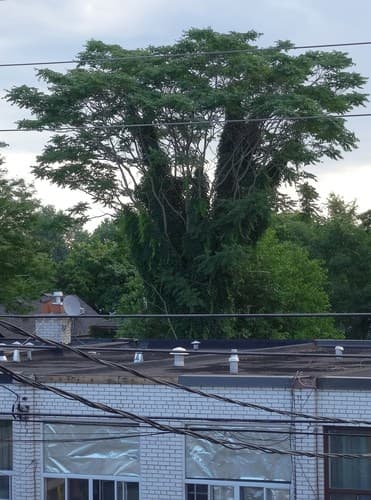
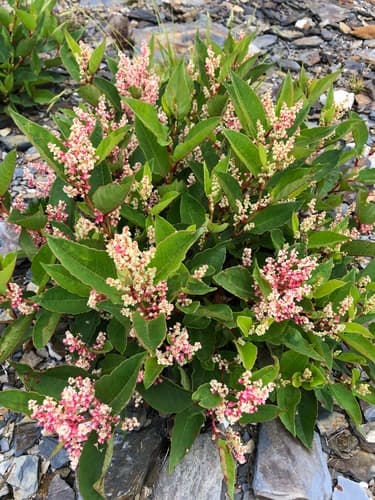
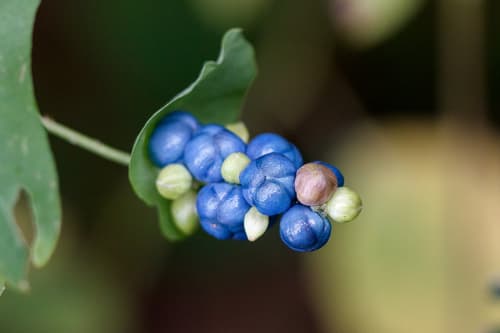
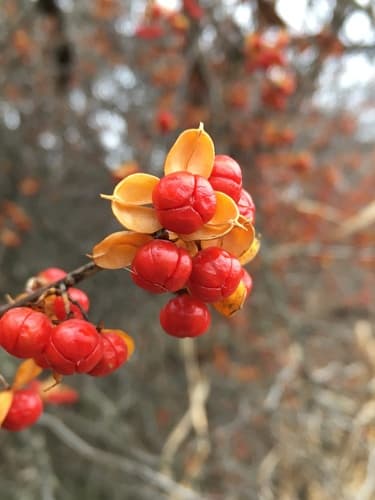
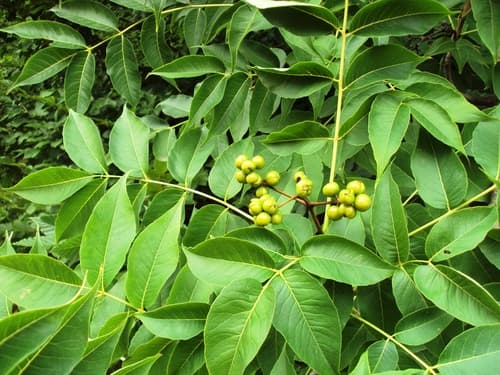
Medium tree with deeply furrowed, spongy, corky bark, opposite compound leaves, and clusters of black berries with a citrus smell when crushed.
What to do
Remove female trees and seedlings; report new infestations.
On Long Island
Seedling carpets have been found in several Nassau County preserves downwind of old campus and park plantings. Remove females first.
Worth knowing
- Its inner bark is bright yellow and has been used in traditional Chinese medicine for two thousand years.
- The corky bark is soft enough to press with a thumbnail.
- Male cultivars exist and do not fruit, but they still pollinate any females nearby.