Where it came from
Ukraine and southern European Russia around the Black Sea.
How it got here
Introduced to North America in the late 1800s, probably through botanical gardens, and first collected in New York around 1897. It spread from the Great Lakes region eastward.
What it does to the ecosystem
Like black swallow-wort, it is a deadly decoy for monarch eggs and forms dense stands that exclude native meadow plants. It tolerates sun and shade, so it invades forest understory too.
What it costs
It has taken over thousands of acres of old fields and limestone alvars in upstate New York and Ontario, some of the rarest habitats in the region.
Don’t confuse it with
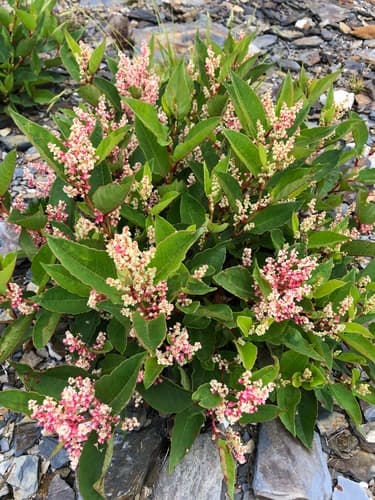
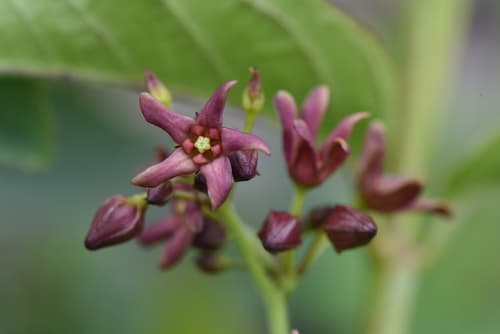
- Black swallow-wort. Pale swallow-wort flowers are pink to maroon with narrow petals; black swallow-wort flowers are so dark they look black. Both need the same treatment.
How to identify it
Similar vine with pink to maroon flowers rather than near-black ones.
What to do
Same as black swallow-wort: dig root crowns, bag pods, report.
On Long Island
Less common here than black swallow-wort, but present. Report any sighting.
Worth knowing
- In heavily infested areas it can produce more than 2,000 seeds per square yard.
- Each seed can contain multiple embryos, so one seed may produce several plants.
- It is sometimes called dog-strangling vine in Canada, though it strangles plants, not dogs.