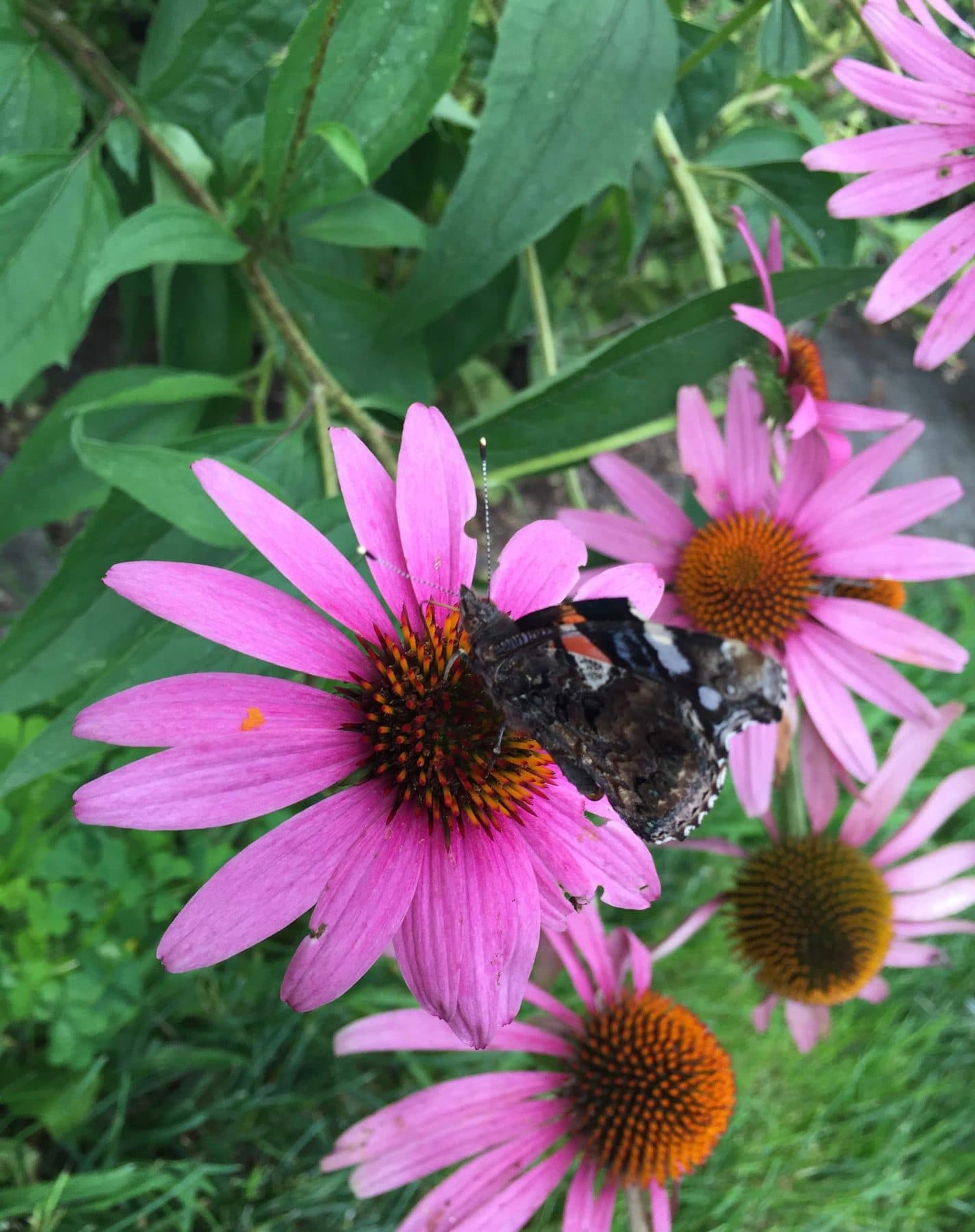
Native to Long Island
Purple Coneflower
Echinacea purpurea
The workhorse of the pollinator garden: months of nectar for bees and butterflies, then seed heads that feed goldfinches all winter.
JanBlooms Jun–SepDec
Rudbeckia hirta
Asteraceae (aster family)
Cheerful gold daisies that seed themselves around, feeding small bees and later the finches.
Bloom calendar
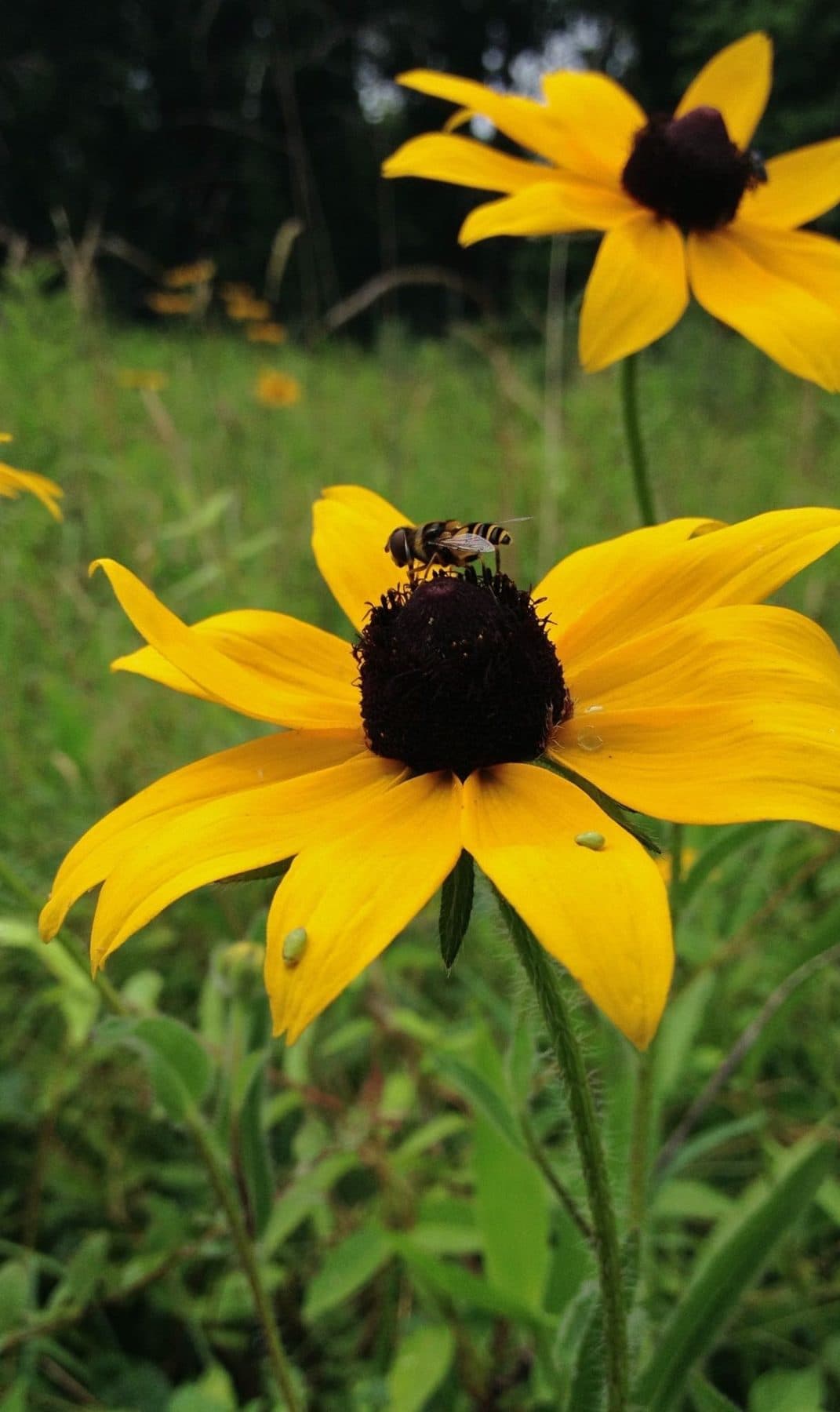
Black-eyed Susan, a native wildflower, is a perennial plant that adds a touch of beauty to gardens and natural landscapes. With its distinctive golden-yellow petals and dark centers, Black-eyed Susan stands out among its counterparts. This vibrant flower attracts a diverse array of pollinators, including bees and butterflies, making it an important source of food for these beneficial insects.
Blooming from summer to early fall, Black-eyed Susan brings a cheerful splash of color to any outdoor space. It is an easy-to-grow plant, tolerant of various soil types and thriving in full sun. Its hardiness and self-seeding ability make it a practical choice for low-maintenance gardens.
By incorporating Black-eyed Susan into your landscape, you create an inviting habitat for pollinators, add visual appeal, and embrace the natural allure of native wildflowers.
More plants
Echinacea purpurea
The workhorse of the pollinator garden: months of nectar for bees and butterflies, then seed heads that feed goldfinches all winter.
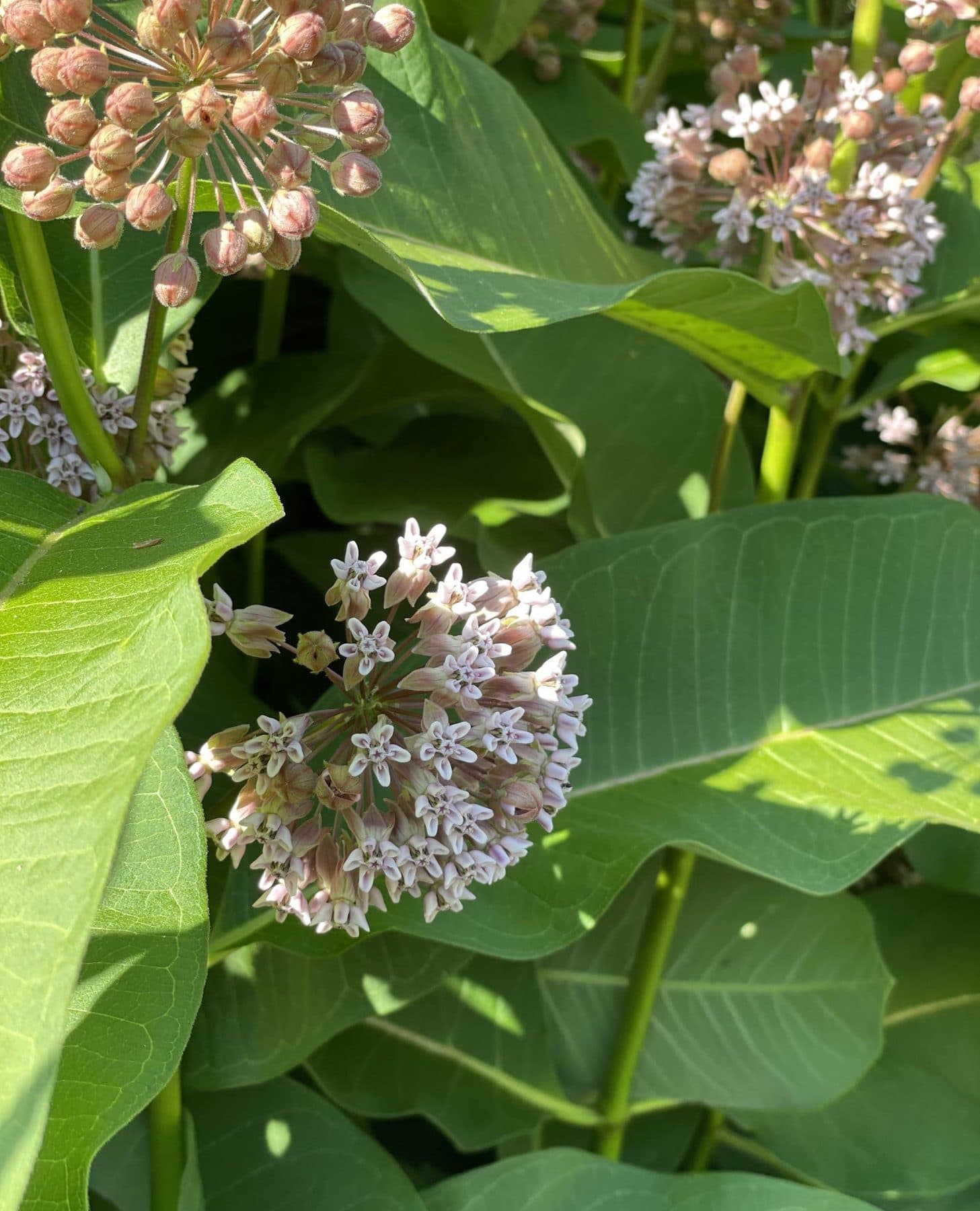
Asclepias syriaca
Monarch caterpillars eat only milkweeds, and this is the classic one. No milkweed, no monarchs.
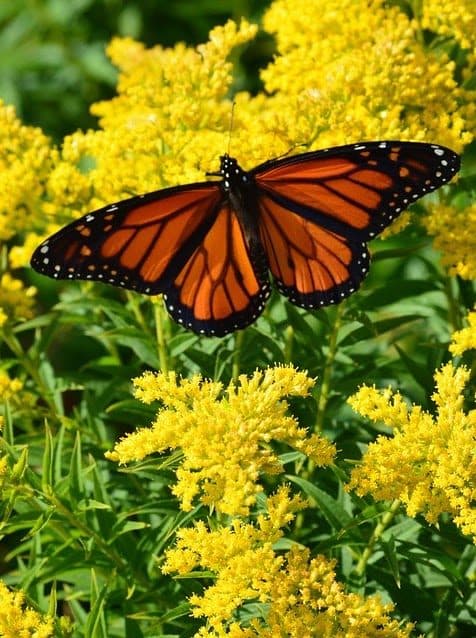
Solidago spp.
The most important late-season nectar source in the Northeast, and it does not cause hay fever.
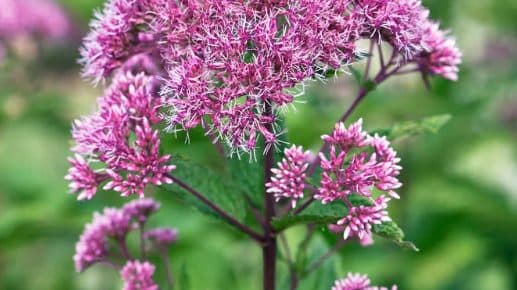
Eutrochium dubium
Dusty-pink domes in late summer that swallowtails and monarchs swarm. Ours is the compact 'Baby Joe' selection.