Who it feeds
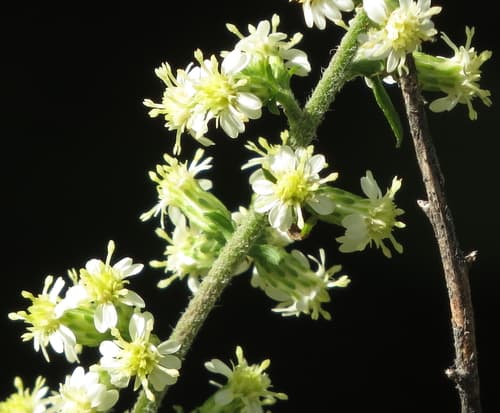
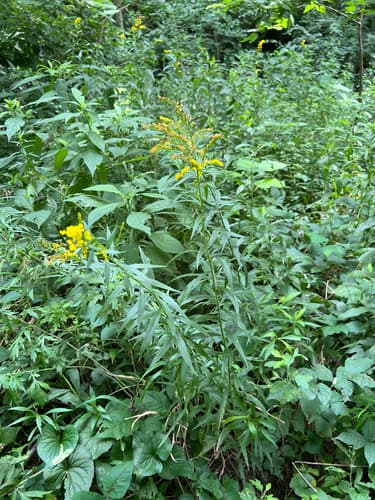
Goldenrods host more than 100 species of caterpillars in the Northeast, feed at least 11 specialist bees that collect only goldenrod pollen, and fuel monarchs on migration. Goldenrod gall flies, soldier beetles, locust borers, ambush bugs, and crab spiders live on them; chickadees and downy woodpeckers open the galls in winter.
Host plant for: Over 100 moth and butterfly species.
What it does for the place
The most important late-season nectar and pollen source in eastern North America. A garden without goldenrod is closed in September, the month pollinators need the most.
The story
Goldenrod's Latin name Solidago means to make whole, for its long use in wound healing. Thomas Edison bred a 12-foot goldenrod as a domestic rubber source, and Henry Ford gave him a Model T with goldenrod-rubber tires. Kentucky and Nebraska made it their state flower.
Worth knowing
- It does not cause hay fever; its pollen is heavy and insect-carried. Ragweed, blooming at the same time, is the culprit.
- Goldenrod honey is a prized dark, spicy honey.
- Showy, stiff, and wrinkleleaf goldenrods clump; avoid Canada goldenrod in small gardens.
Saving its seed
Ripe: Oct, Nov. Plumes turn fluffy white; seeds detach with their parachute.
Collect: Strip fluff into a bag on a dry day; sow fluff and all.
Sow: Winter-sow outdoors (jugs or flats) any time after the first hard freeze. Needs about 30 days of cold-moist stratification. Surface sow; needs light. Collect from the clumping species you want; avoid Canada goldenrod.
Seed saving calendar for your zip code →