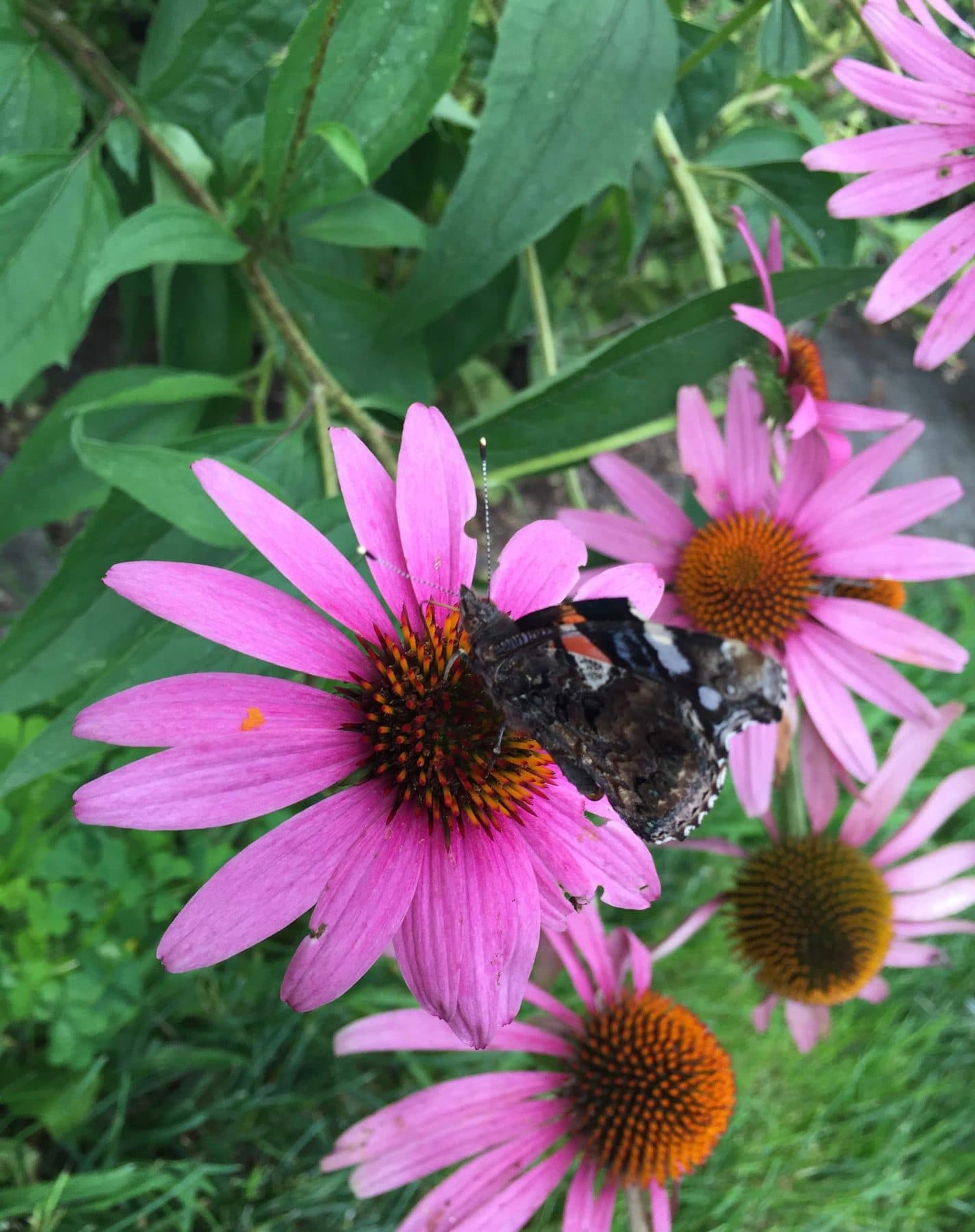
Native to Long Island
Purple Coneflower
Echinacea purpurea
The workhorse of the pollinator garden: months of nectar for bees and butterflies, then seed heads that feed goldfinches all winter.
JanBlooms Jun–SepDec
Solidago spp.
Asteraceae (aster family)
The most important late-season nectar source in the Northeast, and it does not cause hay fever.
Bloom calendar
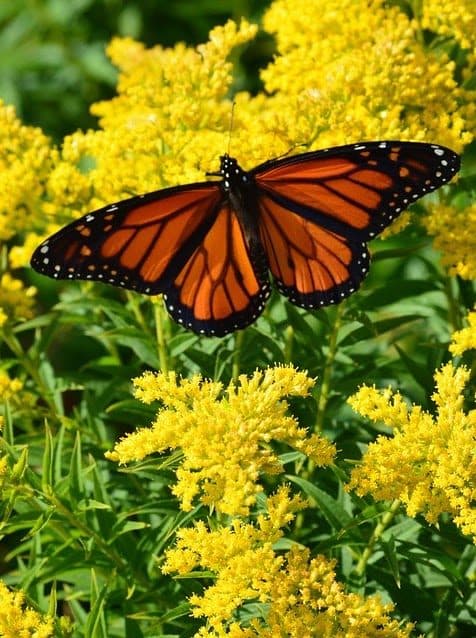
Goldenrod is a perennial plant with bright yellow clusters of flowers that play a vital role in supporting pollinators. Bees and butterflies are particularly attracted to its abundant nectar, making it an important resource during late summer and early fall.
Despite misconceptions, goldenrod pollen is heavy and not easily dispersed by the wind, reducing the likelihood of causing allergies. This resilient plant thrives in a variety of conditions, from full sun to partial shade, and adapts well to different soil types. Its low-maintenance nature and attractive foliage, which turns gold and bronze in the fall, make it a great addition to gardens and landscapes.
At the Theodore Roosevelt Sanctuary we planted a compact, one-foot-tall goldenrod cultivar that blooms in August, September, and October and fits neatly in a planter.
More plants
Echinacea purpurea
The workhorse of the pollinator garden: months of nectar for bees and butterflies, then seed heads that feed goldfinches all winter.
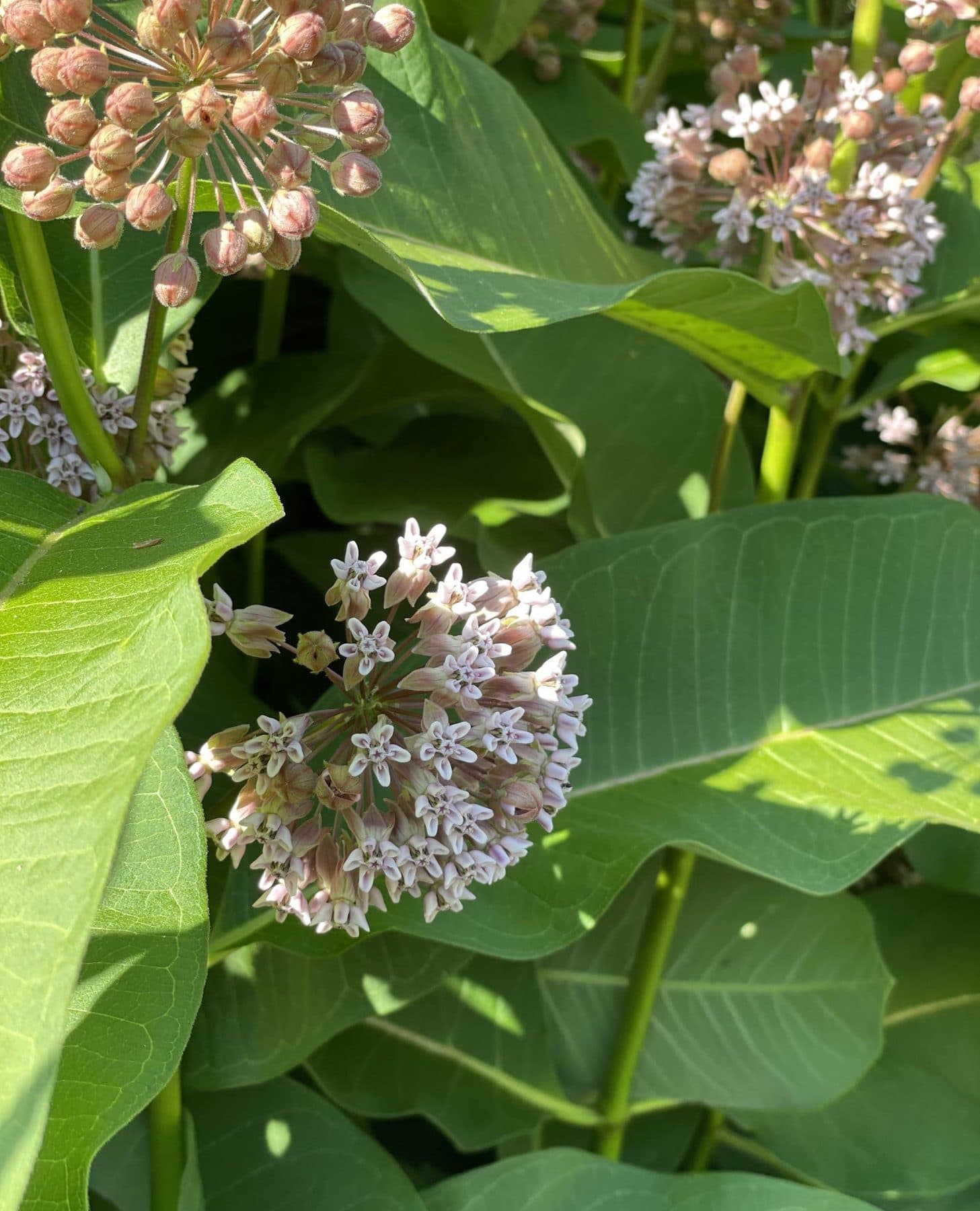
Asclepias syriaca
Monarch caterpillars eat only milkweeds, and this is the classic one. No milkweed, no monarchs.
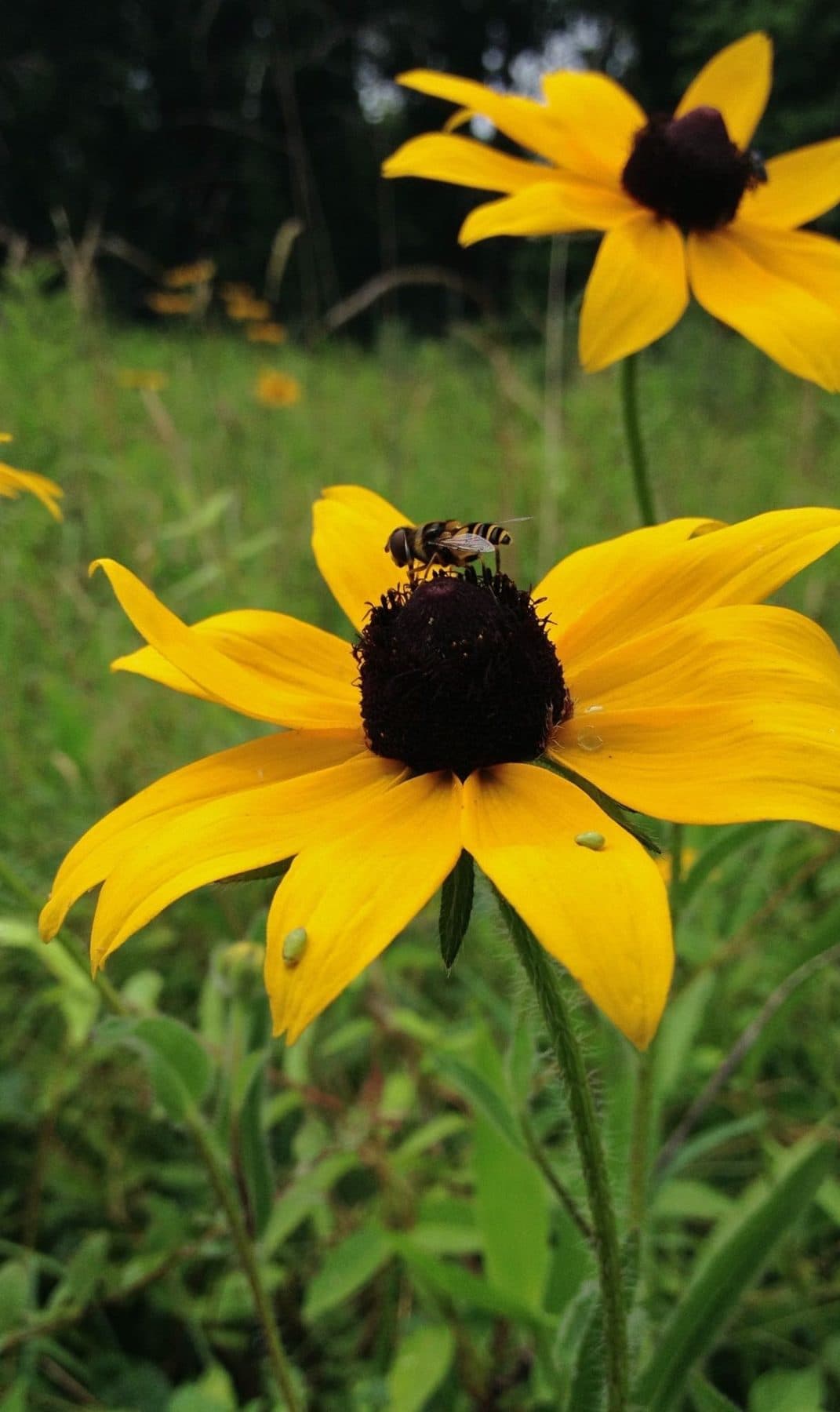
Rudbeckia hirta
Cheerful gold daisies that seed themselves around, feeding small bees and later the finches.
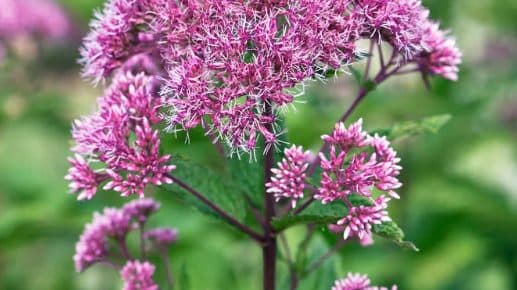
Eutrochium dubium
Dusty-pink domes in late summer that swallowtails and monarchs swarm. Ours is the compact 'Baby Joe' selection.