Where it came from
China and Vietnam.
How it got here
Collected in China in the early 1900s by USDA plant explorer Frank Meyer as fire-blight-resistant rootstock for orchard pears. In the 1950s a USDA breeder selected a thornless, sterile seedling, named it 'Bradford', and released it in 1960. It became the most-planted street tree in America.
What it does to the ecosystem
Individual cultivars are self-sterile, but different cultivars planted near each other cross-pollinate and produce fertile fruit. Birds spread it, and the wild offspring revert to thorny, dense-growing trees that form thickets in fields, roadsides, and young forests, shading out native successional species.
What it costs
The weak branch structure of 'Bradford' splits in storms, costing towns and homeowners in cleanup and removals. Wild thickets are thorny enough to puncture tractor tires.
Don’t confuse it with
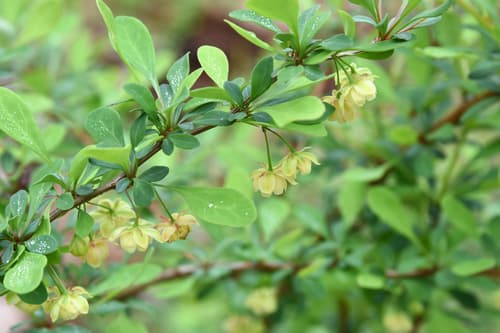
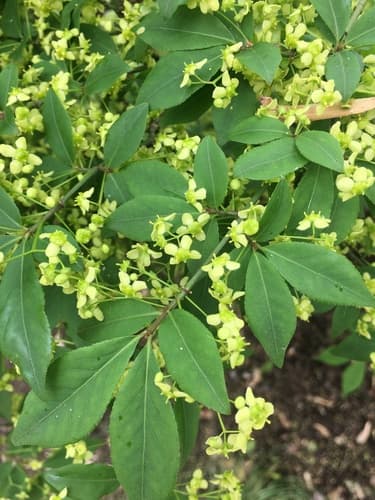
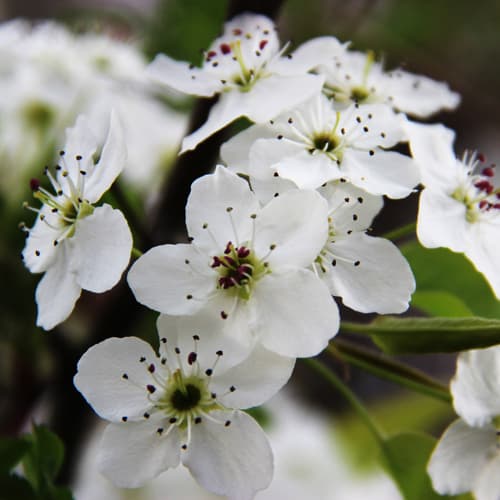
- Serviceberry and native crabapples. Serviceberry flowers have five narrow, strap-like petals and no smell; Callery pear flowers are rounder and smell like rotting fish. Wild Callery seedlings have stout thorns.
How to identify it
A small tree covered in white flowers in early April before the leaves, with a fishy smell; glossy, wavy-edged leaves; wild seedlings have stout thorns.
What to do
Do not plant. Remove wild seedlings before they fruit. Replace declining street trees with natives.
On Long Island
Planted along countless streets and parking lots; wild seedlings now line the LIE, Sunrise Highway, and utility corridors. Replace declining trees with serviceberry or redbud.
Worth knowing
- Ohio, Pennsylvania, and South Carolina have banned it; New York has not yet.
- The famous rotting-fish smell of the flowers comes from trimethylamine.
- Several states run bounty programs: bring proof you cut down a Callery pear and receive a free native tree.