Who it feeds
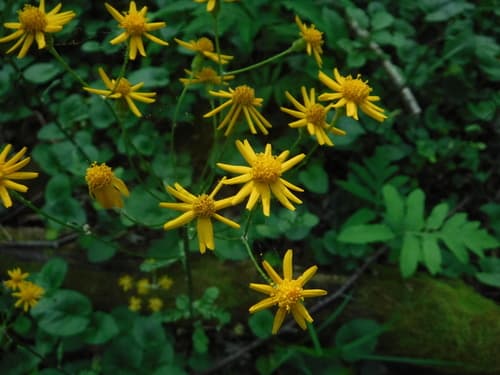
One of the earliest nectar sources for small bees and flies; several moth caterpillars eat it; the fluffy seed feeds finches.
What it does for the place
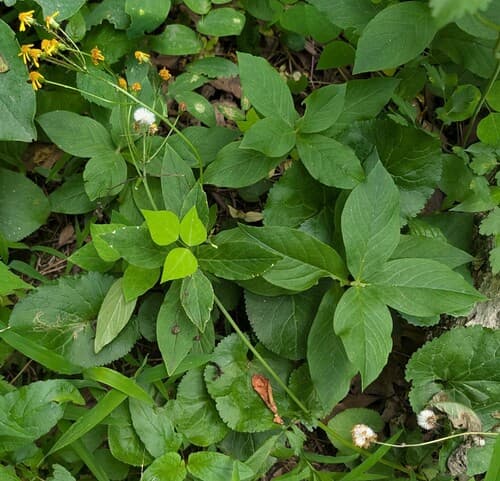
Forms a weed-smothering evergreen mat in damp shade or sun, out-competing lesser celandine and stiltgrass where little else can.
The story
A wet-woods and meadow native once used as a women's medicine, hence the old name squaw weed, now discarded. Its evergreen rosettes and April gold have made it a favorite native ground cover.
Worth knowing
- It contains alkaloids that make it toxic to livestock, so deer leave it alone.
- The rosettes stay purple-green all winter.
- It spreads fast enough to cover a bank in three years.
Saving its seed
Ripe: May, Jun. Dandelion-like puffs.
Collect: Pinch puffs and scatter immediately where wanted.
Sow: Sow fresh, right after collecting; seed loses viability if it dries. Spreads readily on its own; division is easiest.
Seed saving calendar for your zip code →
Plant it instead of
- Garlic mustard: Carpets the forest floor, poisons the soil fungi that native tree seedlings need, and tricks native white butterflies into laying eggs on it, where the caterpillars die.
- Lesser celandine: Carpets floodplains and lawns with a mat of glossy leaves in early spring, crowding out native ephemerals, then vanishes by June, leaving bare soil.