Who it feeds
Bees, especially bumble bees, hum audibly in a flowering pepperbush, and swallowtails and hummingbirds visit. The seed capsules feed birds and small mammals.
What it does for the place
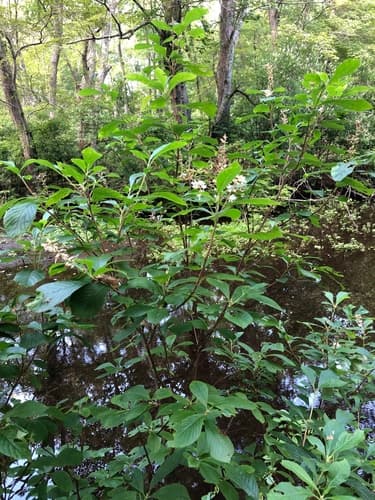
A wetland shrub that tolerates salt spray, flooding, and shade, holds pond banks, and blooms when almost no other native shrub does.
The story
Long Island's own summer-flowering shrub, filling every wet woodland edge and pond margin with fragrance in August. Colonists used the dried flowers as a soap substitute, hence another name, soapbush. Clethra is Greek for alder, whose leaves it resembles.
Worth knowing
- The scent carries hundreds of feet on a humid evening.
- Fall color is clear gold.
- The compact 'Hummingbird' selection stays under four feet.
Saving its seed
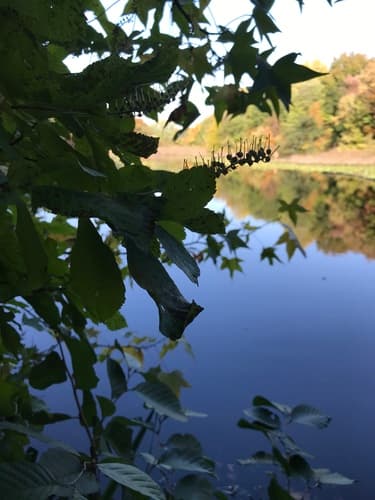
Ripe: Oct, Nov. Peppercorn-like capsules dry brown along the spike.
Collect: Cut spikes, dry indoors, crush; seed is dust-fine.
Sow: Winter-sow outdoors (jugs or flats) any time after the first hard freeze. Needs about 30 days of cold-moist stratification. Surface sow; needs light. Softwood cuttings in June are far easier.
Seed saving calendar for your zip code →
Plant it instead of
- Japanese knotweed: Forms dense thickets along streams and roadsides that exclude everything else; rhizomes push through pavement and foundations and regrow from fingernail-size fragments.
- Butterfly bush: Offers adult butterflies nectar but hosts no caterpillars, and it seeds into riverbanks and disturbed ground. It is a nectar bar, not habitat.