Native to Long Island
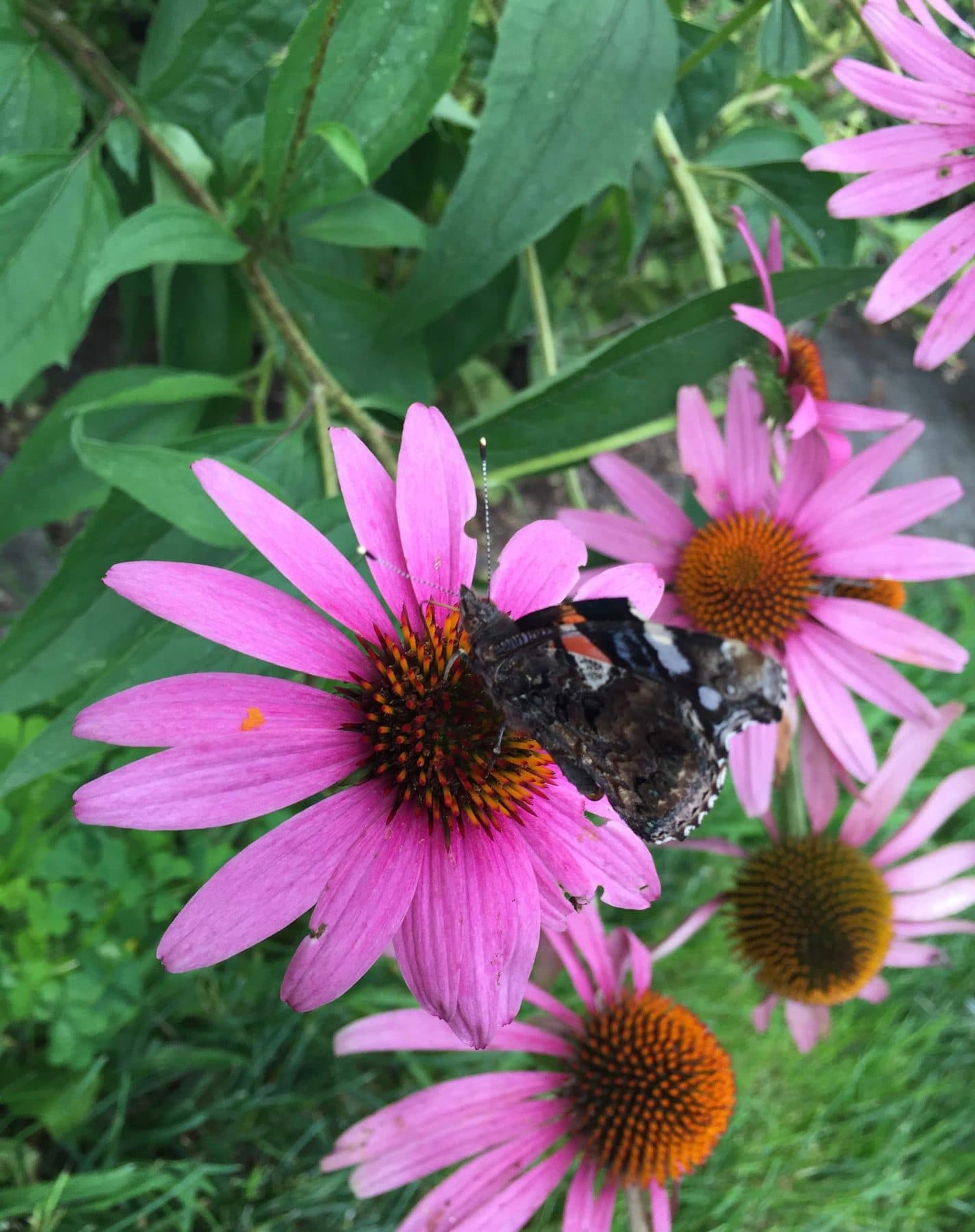
Purple Coneflower
Echinacea purpurea
The workhorse of the pollinator garden: months of nectar for bees and butterflies, then seed heads that feed goldfinches all winter.
JanBlooms Jun–SepDec
Asclepias syriaca
Apocynaceae (dogbane family)
Monarch caterpillars eat only milkweeds, and this is the classic one. No milkweed, no monarchs.
Bloom calendar
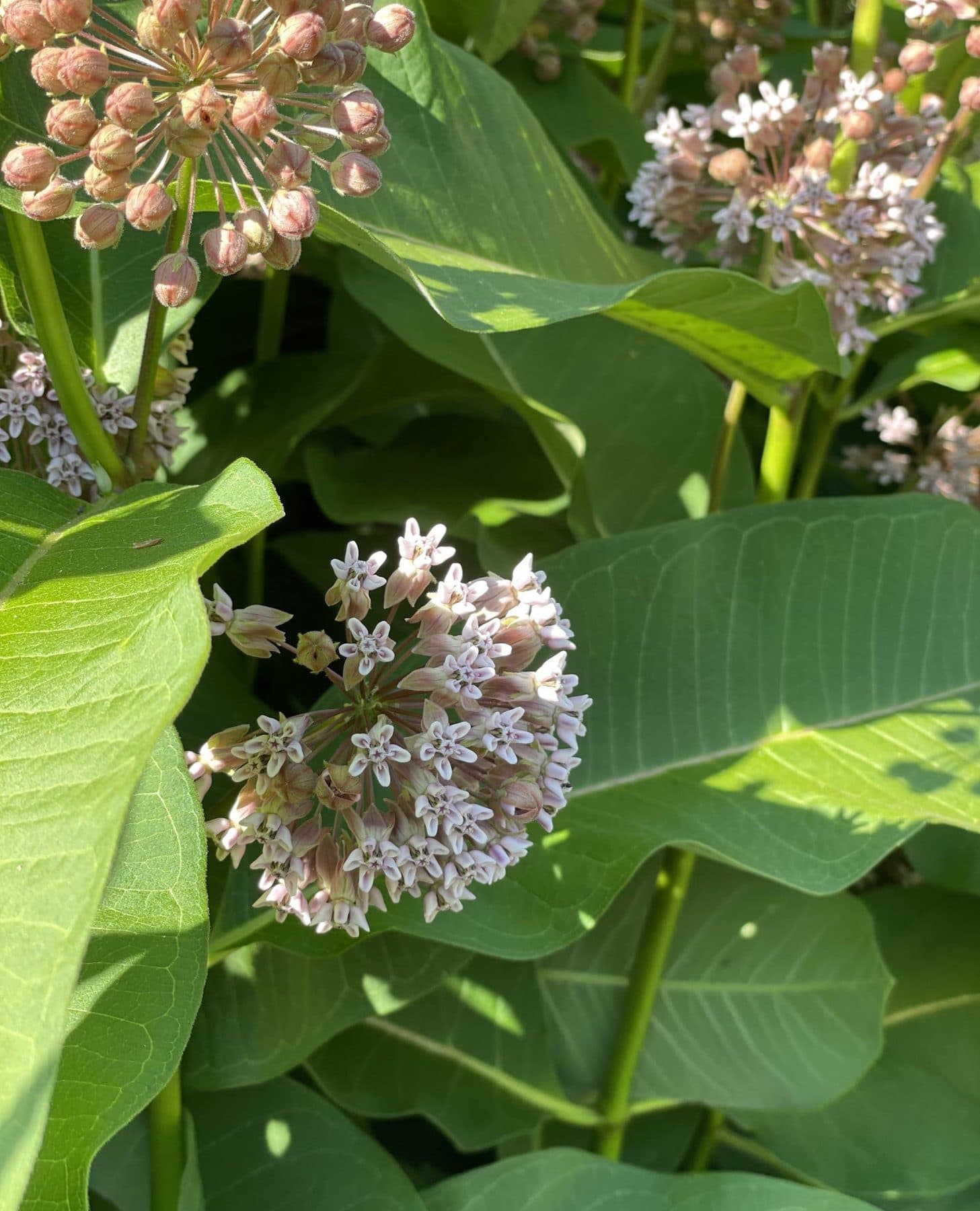
Milkweed, a vital native plant on Long Island, is a captivating wonder for anyone interested in pollinators. This remarkable perennial plays a crucial role in supporting monarch butterflies, providing them with essential food and shelter. With its vibrant flowers, enchanting seed pods, and easy maintenance, milkweed adds beauty and magic to any garden or natural habitat.
By planting milkweed, we support our local ecosystems, the survival of monarch butterflies, and witnessing the incredible wonders of nature firsthand.
Native milkweed is vital for supporting monarch butterflies, as it has co-evolved with them, providing essential habitat and food sources. Planting non-native tropical milkweed can disrupt monarchs' natural reproductive and migratory patterns and can lead to increased parasite loads and disease spread among monarch populations. Native milkweed aligns with monarchs' natural cues for breeding and migration.
More plants
Echinacea purpurea
The workhorse of the pollinator garden: months of nectar for bees and butterflies, then seed heads that feed goldfinches all winter.
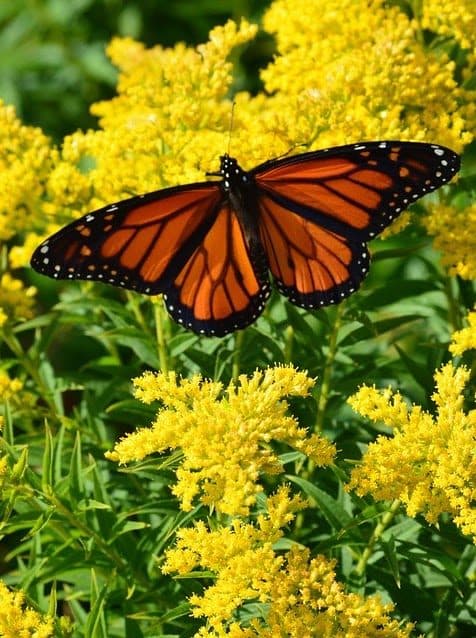
Solidago spp.
The most important late-season nectar source in the Northeast, and it does not cause hay fever.
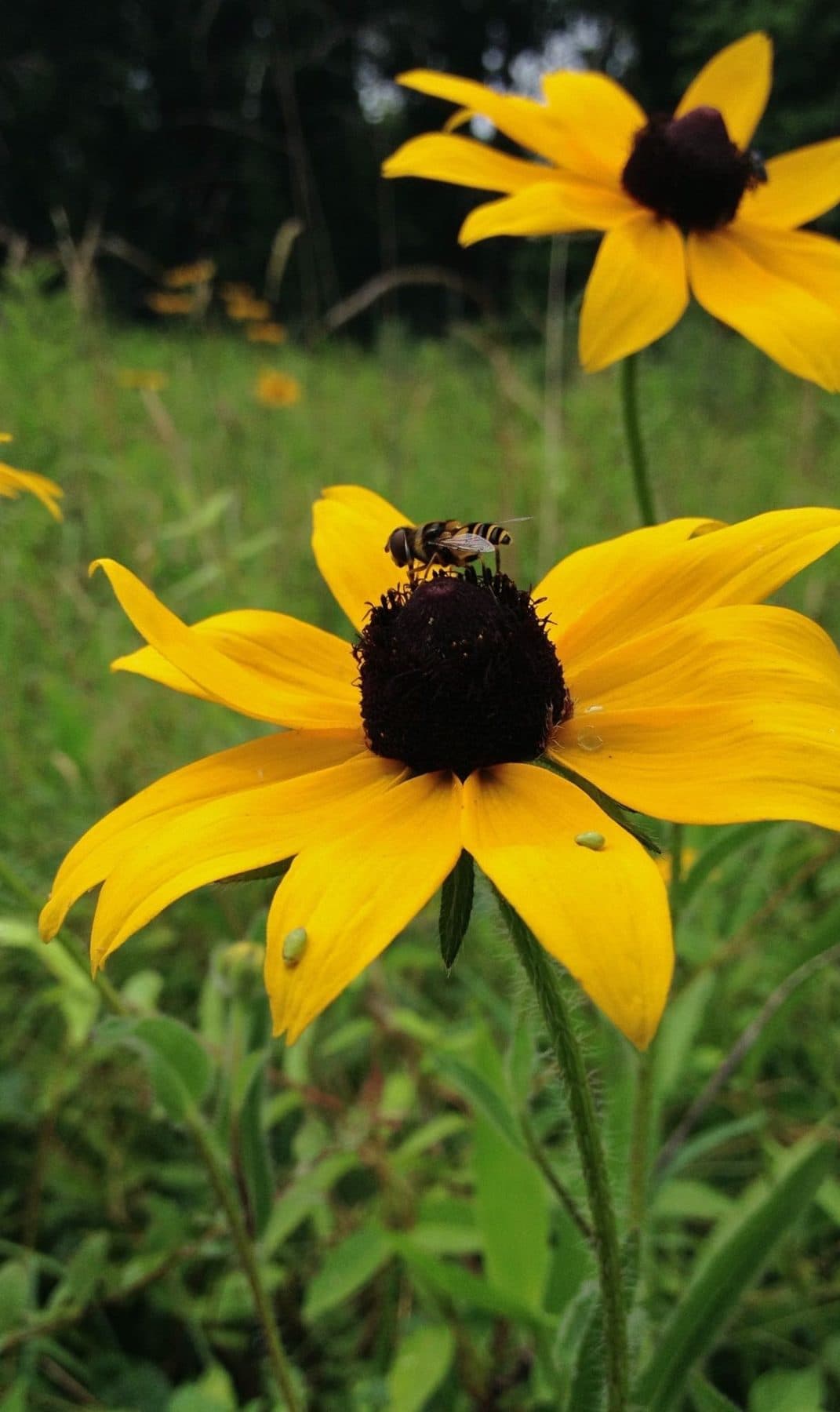
Rudbeckia hirta
Cheerful gold daisies that seed themselves around, feeding small bees and later the finches.
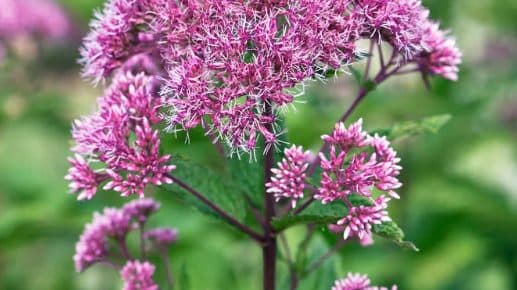
Eutrochium dubium
Dusty-pink domes in late summer that swallowtails and monarchs swarm. Ours is the compact 'Baby Joe' selection.