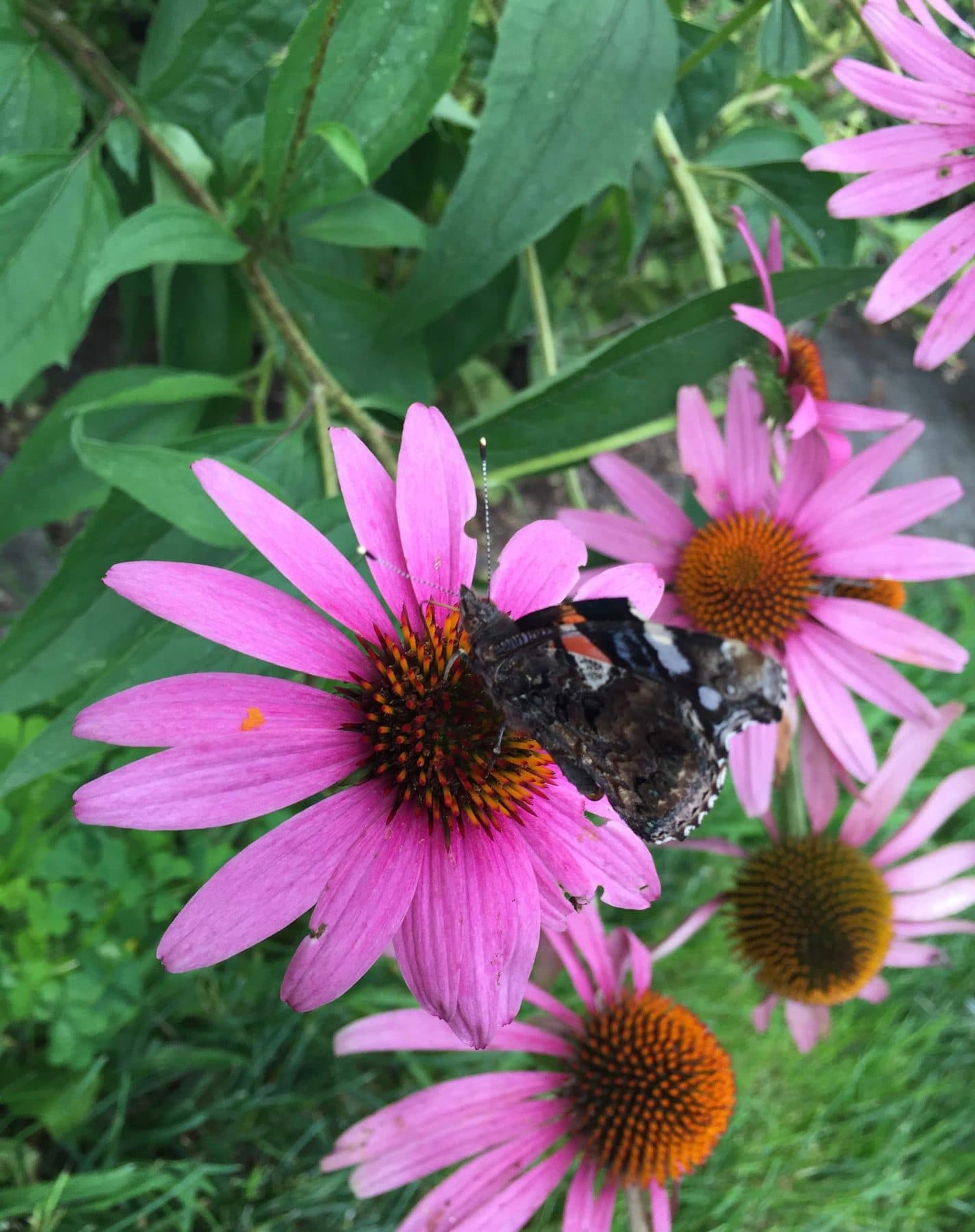
Native to Long Island
Purple Coneflower
Echinacea purpurea
The workhorse of the pollinator garden: months of nectar for bees and butterflies, then seed heads that feed goldfinches all winter.
JanBlooms Jun–SepDec
Phlox spp.
Polemoniaceae (phlox family)
Fragrant clusters of five-petaled flowers, from ground-hugging spring moss phlox to tall summer garden phlox.
Bloom calendar
Phlox is native to Long Island and comes in many forms, from moss phlox that carpets the ground three inches high in April to garden phlox that reaches five feet in August. The flat-faced, tubular flowers are built for butterflies and hummingbirds, and many species are sweetly fragrant in the evening.
The name comes from the Greek word phlox, meaning flame, for the bright color of the wild species.
At the Theodore Roosevelt Sanctuary, phlox opens the season, blooming in March, April, May, and June before the Joe Pye weed and goldenrod take over.
More plants
Echinacea purpurea
The workhorse of the pollinator garden: months of nectar for bees and butterflies, then seed heads that feed goldfinches all winter.
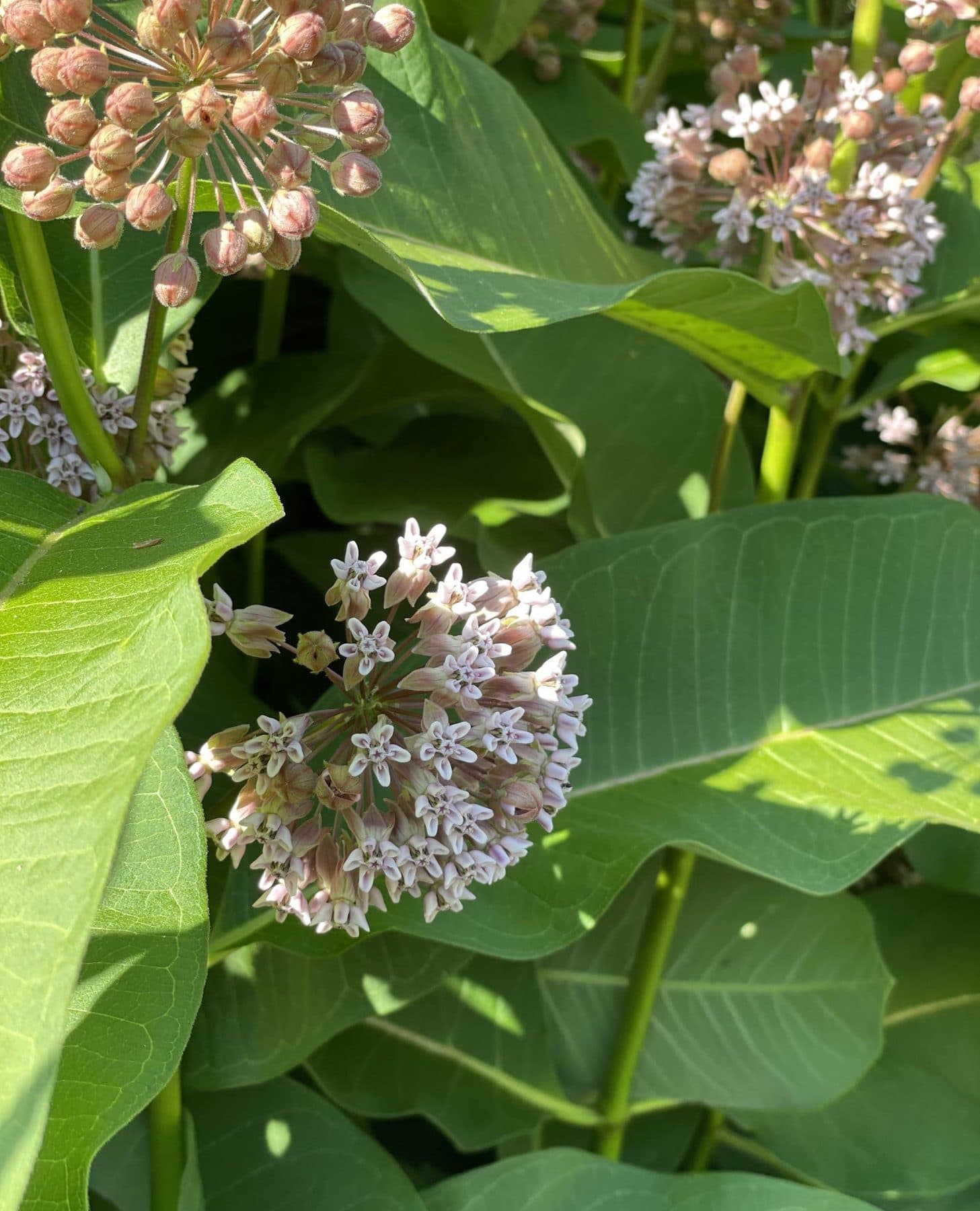
Asclepias syriaca
Monarch caterpillars eat only milkweeds, and this is the classic one. No milkweed, no monarchs.
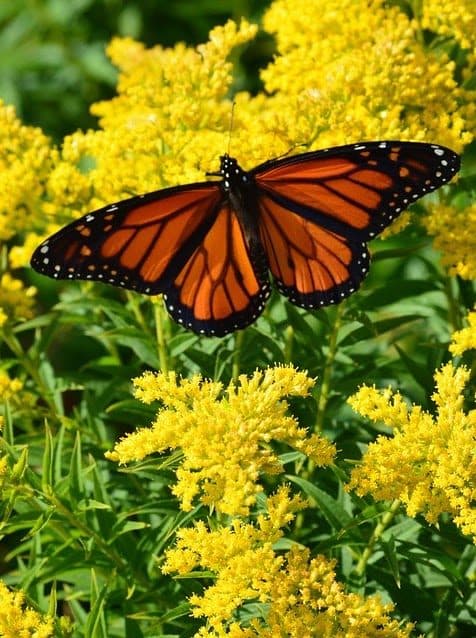
Solidago spp.
The most important late-season nectar source in the Northeast, and it does not cause hay fever.
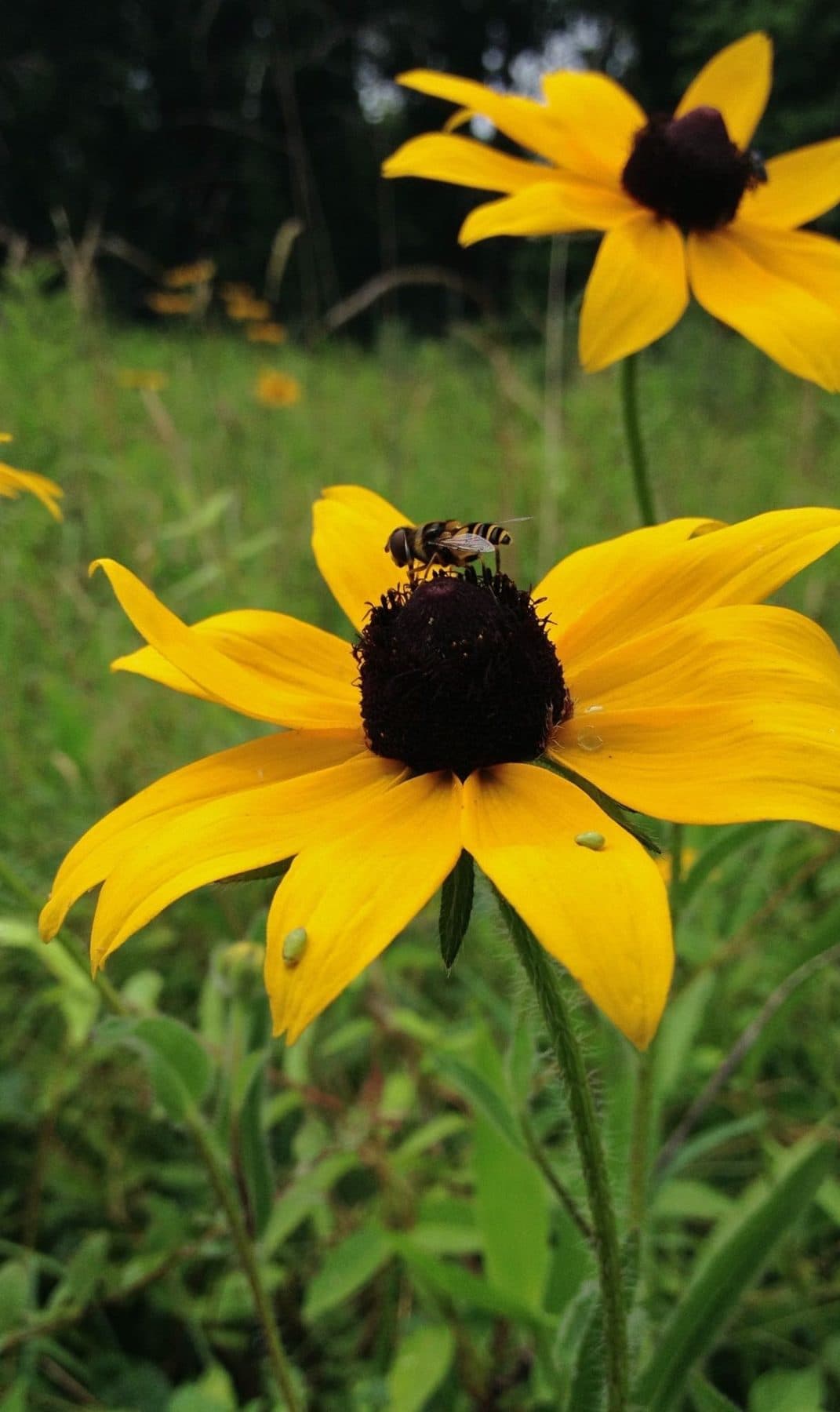
Rudbeckia hirta
Cheerful gold daisies that seed themselves around, feeding small bees and later the finches.