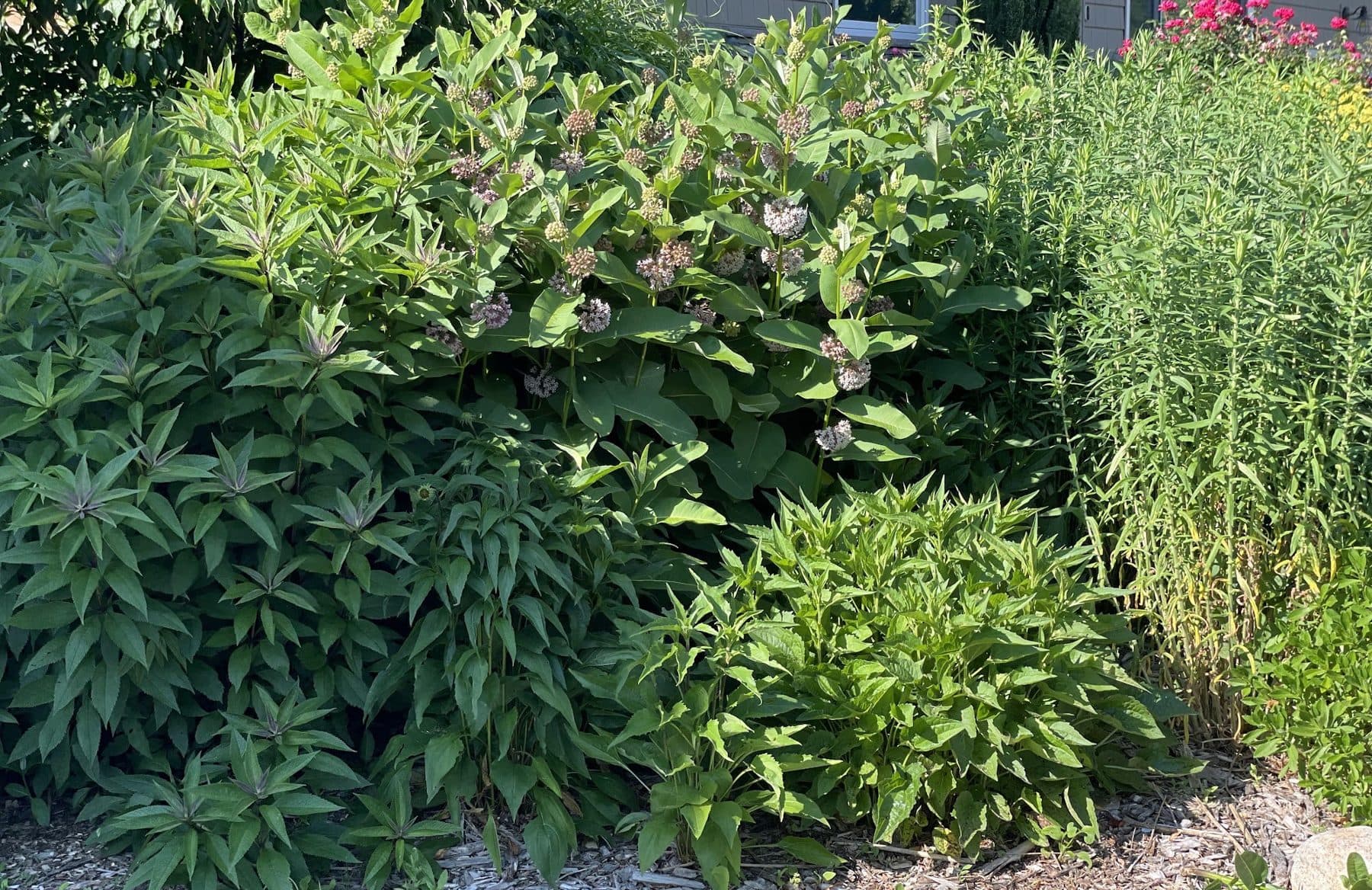
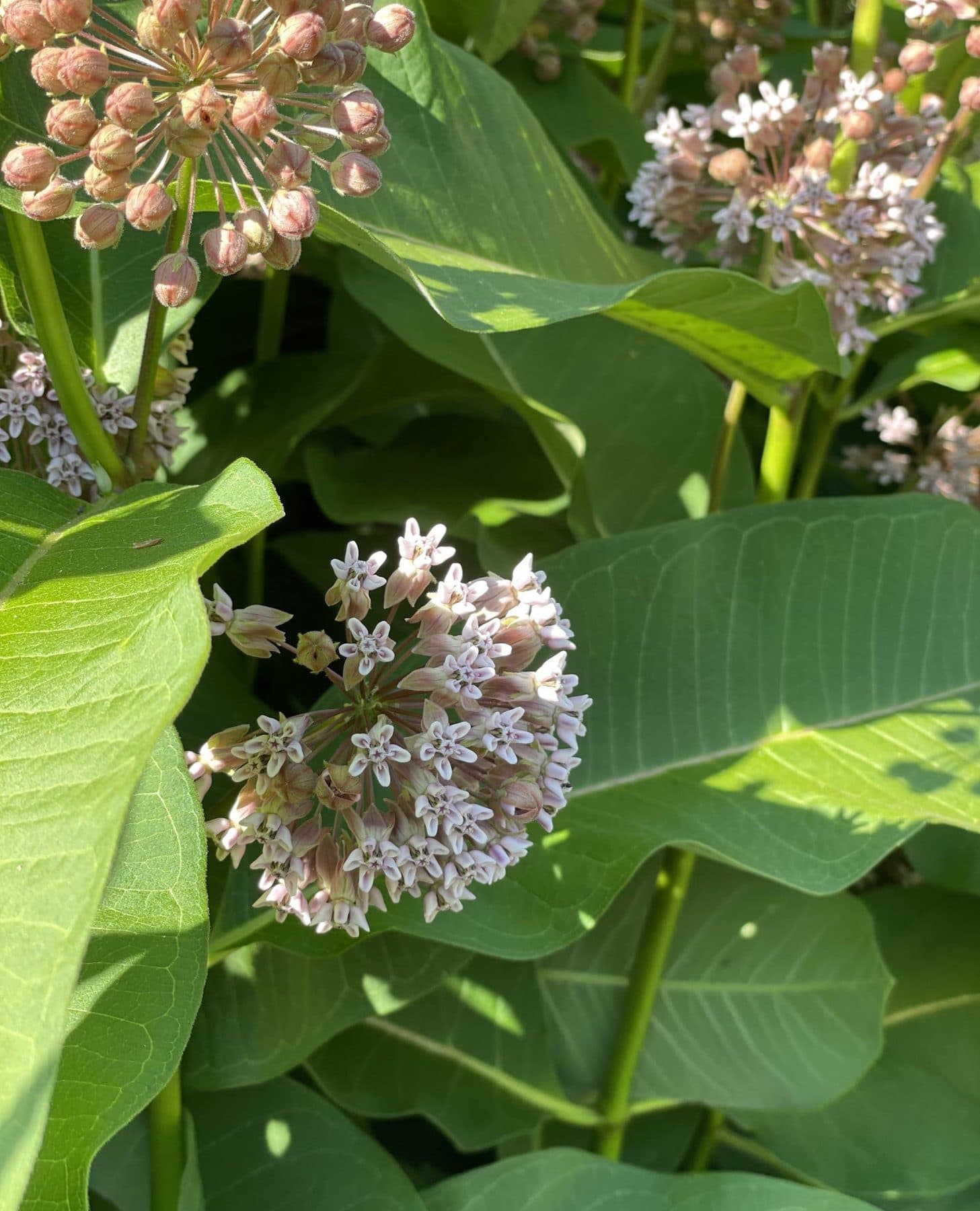
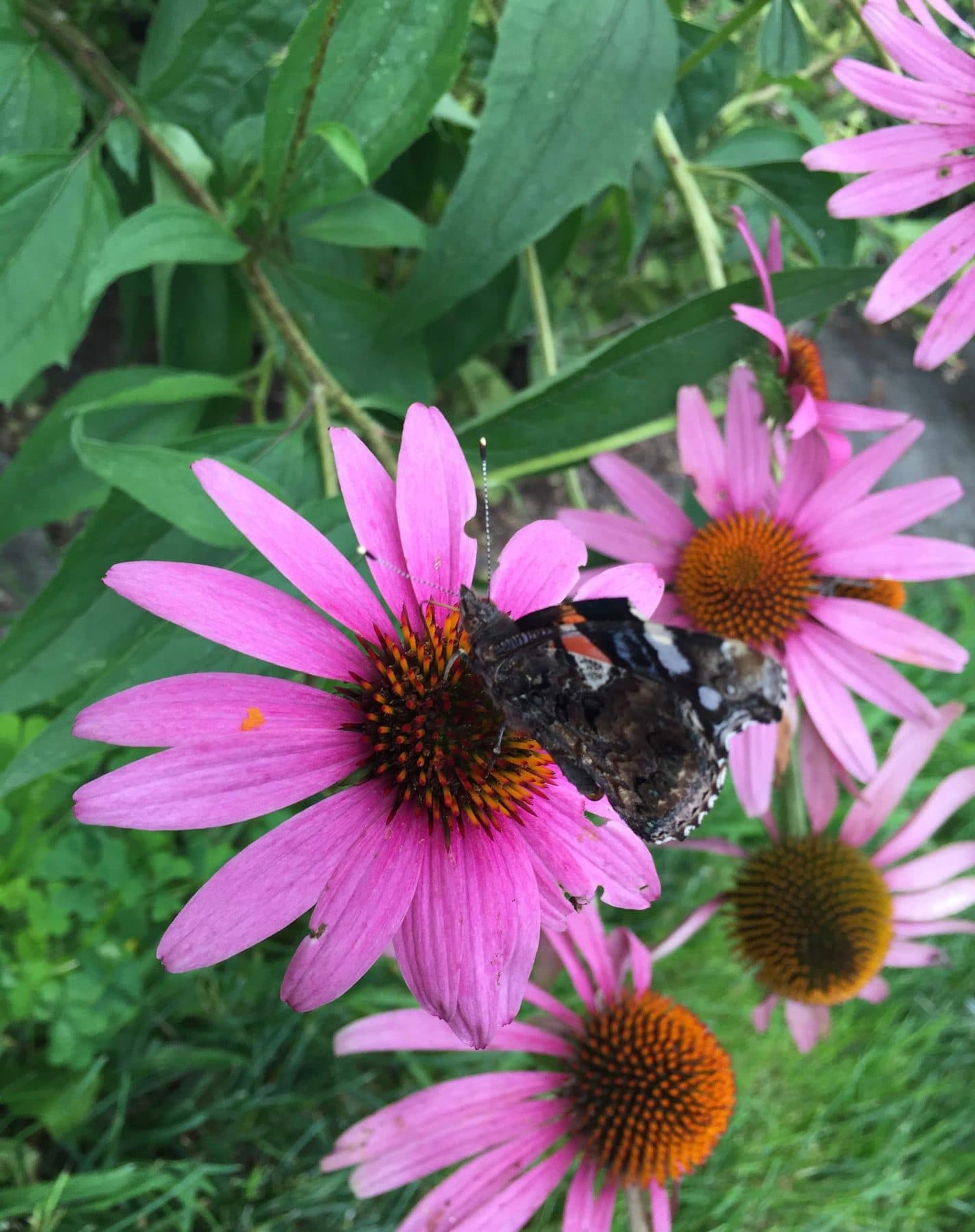
native plants · Nassau County · garden design
Best Native Plants for Nassau County Yards
Nassau County's sandy outwash soils, oak canopy, salt air, and zone 7a/7b winters call for a specific set of native plants. What to plant for full sun and dry ground, part shade under oaks, wet spots, small yards, deer pressure, and the shoreline.
By Aidan and Ben Ellis · Published September 28, 2026 · 8 min read
Nassau County runs USDA hardiness zone 7a inland to 7b near the water, with a last frost around mid-April and a first frost in early to mid-November, so the growing season is a comfortable six months. The soil underneath is the bigger story: much of Nassau sits on the flat, sandy outwash plain a glacier left behind, part of the same outwash system that further east underlies the Suffolk County Pine Barrens, while the hills along the North Shore are the terminal moraine itself, with heavier, rockier, more variable soil. Pick plants for the soil and light you actually have, not the one you wish you had.
Full sun and dry: sandy outwash soils
Most of central and south Nassau is exactly this: flat, sandy, fast-draining, and baking in summer. These plants want it that way.
- Butterfly weed: a taproot that reaches deep into sand and needs no water once established; a monarch host that fits a hot, dry strip.
- Little bluestem: a native grass built for lean, dry ground, with copper fall color and skipper caterpillars living in the blades.
- Lanceleaf coreopsis: cheerful yellow daisies for the sandiest, poorest spot in the yard.
- Wild bergamot: more drought-tolerant than its bee balm cousin, and a magnet for long-tongued bees in July.
- Showy goldenrod: a clumping goldenrod, not a runner, that thrives in dry sand and fuels the fall monarch migration.
- Moss phlox: an April groundcover for the driest, sunniest edge, where grass usually gives up anyway.
Part shade under oaks
Nassau's older neighborhoods are full of mature oaks, which means dry shade: not much water reaches the ground under a big canopy. These natives take it.
- White wood aster: the best native for dry shade, blooming white from August into October when little else is open.
- Wild geranium: a spring woodland flower for mining bees and bumble bee queens just waking up.
- Golden ragwort: an evergreen groundcover that spreads under trees and blooms yellow in April, a native swap for pachysandra.
- Woodland sunflower: a sunflower that actually tolerates dry shade, feeding specialist bees in late summer.
- Wild red columbine: nodding red and yellow flowers timed to the return of hummingbirds in late April, happy in rocky shade.
Wet spots and rain gardens
Every Nassau yard has a low corner that stays soggy after rain. Do not fight it; plant it.
- Swamp milkweed: a clumping milkweed for damp soil; monarchs often prefer its tender leaves for egg-laying.
- Joe Pye weed: big dusty-pink domes that tiger swallowtails and monarchs cover in August.
- Cardinal flower: the reddest native flower, pollinated almost entirely by hummingbirds, happy with wet feet.
- Blue vervain: violet-blue spikes for small bees, and a native replacement for purple loosestrife.
- New York ironweed: tall, deer-proof, magenta, and a butterfly magnet in a damp meadow corner.
- Swamp rose mallow: dinner-plate native hibiscus flowers along marsh edges, visited by specialist hibiscus bees.
Small yards and containers
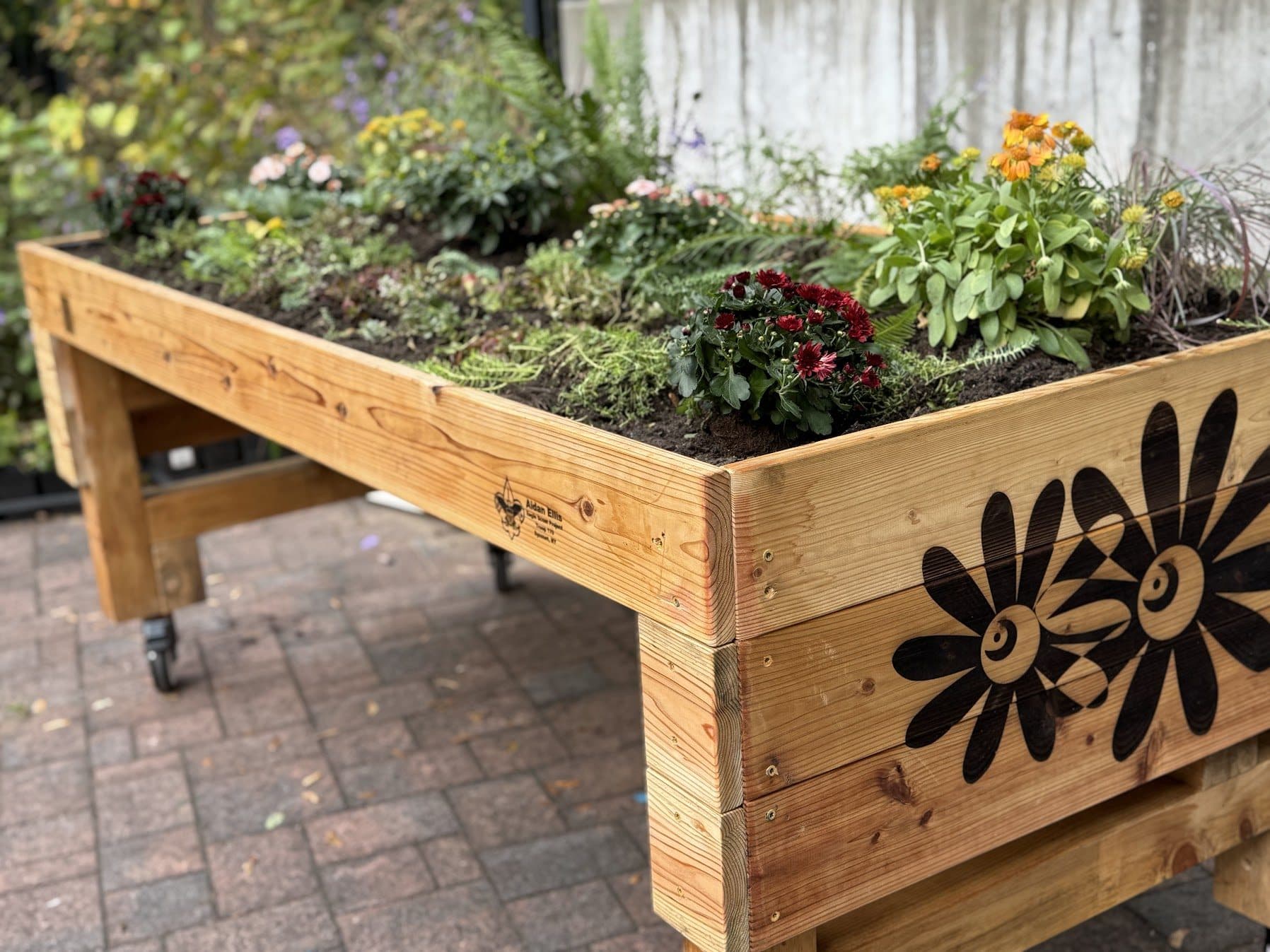
No yard, or a small one, is not a reason to skip natives. All of these do well in a large pot or a narrow bed.
- Purple coneflower: months of bee and butterfly nectar, then winter seed for goldfinches.
- Black-eyed Susan: easy, self-sowing, and often blooms the first year from a nursery plant.
- Moss phlox: a groundcover that spills nicely over a container edge in April.
- Little bluestem: upright structure and winter color in a pot that a perennial alone cannot give.
- Lanceleaf coreopsis: tolerates the quick-drying conditions of container life better than most.
- Anise hyssop: fragrant, long-blooming, and popular with honey bees and goldfinches in a pot on a deck.
Deer pressure
Deer pressure varies block by block on Long Island, and nothing in a suburban yard is fully deer-proof, but deer reliably leave these alone.
- Purple coneflower: its bristly cone and rough leaves are not worth a deer's trouble.
- Showy goldenrod: deer skip it even when little else is left in a browsed yard.
- Mountain mint: the minty, aromatic foliage that makes it unpopular with deer also makes it a top pollinator plant.
- New York ironweed: tough, fibrous stems deer generally pass over.
- Wild bergamot: another aromatic mint-family plant deer tend to avoid.
- Eastern bluestar: milky sap that deer find unpalatable, with golden fall foliage as a bonus.
Salt and wind near the shore
Close to the Long Island Sound or the South Shore bays, salt spray and wind narrow the list further.
- Sweet pepperbush: Long Island's own fragrant August shrub, genuinely salt-tolerant and happy at the shore.
- Swamp rose mallow: a marsh-edge native built for salt-adjacent, damp ground.
- Lanceleaf coreopsis: sandy, salt-exposed roadside conditions are exactly what it wants.
- Little bluestem: a tough, wind-firm grass long used to stabilize exposed, sandy Long Island ground.
- Butterfly weed: its deep taproot and drought tolerance carry over well to windy, salt-exposed sites.
Start with five
If you are planting one bed this year, these five cover three seasons, a milkweed, and a grass, and all thrive in Nassau's typical sandy, sunny yard:
Keep it going
Use our Garden Calendar to see what is blooming and what needs doing near your zip code each month, and our Seed Saving Calendar once your plants are established enough to collect from.
Written by Aidan and Ben Ellis of Pollinate Happiness, Long Island, NY. Found an error? Let us know.